
Plants
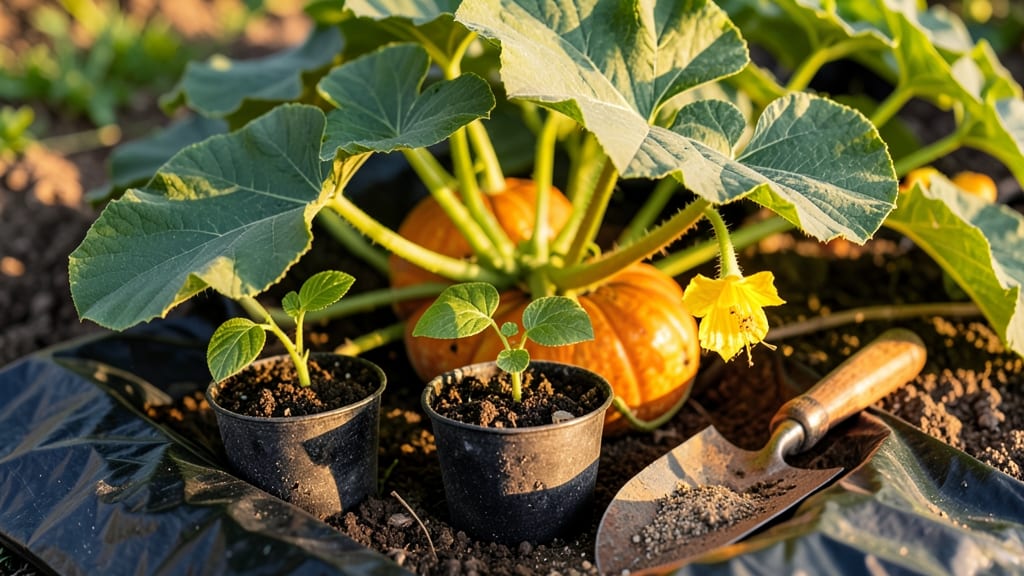
Planting pumpkins in Indiana isn’t just about timing—it’s about beating the unpredictable frost that can turn your hard work into a sad, wilted pile of vines.
The right window means the difference between a bumper crop of 🎃 and a season of disappointment, especially in zones 5b-6b where frost can linger well into May.
Most gardeners in Indiana swear by mid-April to early June as the sweet spot, but here’s the catch: your soil needs to hit 60°F or warmer before those seeds go in.
Too early, and your pumpkins will bolt or rot; too late, and you’ll miss the 90-day growing window before the first frost in October. I’ll show you how to read Indiana’s frost charts and adjust your planting for your exact location—no guesswork.
You’ll also discover which pumpkin varieties thrive in Indiana’s short season (hint: ‘Jack Be Little’ matures in just 75 days!) and how to shield seedlings from late frosts using simple tricks like row covers.
Whether you’re a first-timer or a veteran gardener, these steps will help you grow pumpkins that rival the ones at the farmers’ market.
Ready to turn your backyard into a pumpkin patch? Let’s dive into the exact dates, soil tests, and variety picks that’ll make your harvest the talk of the neighborhood.
Indiana pumpkin planting dates by USDA zone (with frost risk charts)
Indiana’s USDA zones 5-6 create a unique challenge for pumpkin growers—northern regions like Gary face earlier frosts than southern areas like Evansville. To avoid seedling loss or stunted growth, timing is everything.
The key is planting after your average last frost date (typically mid-April to early May) when soil temperatures consistently reach 60°F+. Below, I’ve broken down the exact windows for Indiana’s northern (5b-6a) vs. southern (6b) zones.
Pumpkins thrive with 90-120 frost-free days, so Indiana’s 165-day growing season works perfectly—but only if you plant at the right time. For direct sowing (planting seeds outdoors), wait until soil warms to 70°F+, usually late May in northern Indiana.
For transplants (seedlings), start them indoors 4-6 weeks before your last frost date, then move them out after mid-May.
| USDA Zone | Last Frost Avg. | Soil Temp. Threshold | Direct Sow Window | Transplant Window | Harvest Window |
|---|---|---|---|---|---|
| 5b (Northern IN) | April 20–May 5 | 60°F+ (May 15) | Late May–early June | After May 15 | Late Sept–early Oct |
| 6a (Central IN) | April 15–April 30 | 60°F+ (April 25) | Mid-April–late May | After April 20 | Mid-Sept–late Oct |
| 6b (Southern IN) | April 1–April 15 | 60°F+ (April 10) | Early April–mid-May | After April 10 | Late Aug–Nov |
For northern Indiana (zone 5b), like in Fort Wayne or South Bend, the last frost date often arrives after May 1, so hold off on planting until late May. Use black plastic mulch to warm soil faster if needed.
In central Indiana (zone 6a), Indianapolis gardeners can start direct sowing by mid-April if soil is workable, but transplants should wait until after May 1.
Southern Indiana’s zone 6b (Evansville, Terre Haute) enjoys a longer growing season, allowing for earlier planting as early as April 1. Here, you can even try a fall planting in early August for a Thanksgiving harvest—just ensure vines mature before the first frost (mid-October).
Always check local frost data via the National Weather Service or Indiana State Climate Office for real-time adjustments.
Pro tip: Use a soil thermometer to confirm 60°F+ soil temps before planting. Cold soil slows germination, leading to weak seedlings that struggle in Indiana’s humid summers.
If your soil is slow to warm, opt for fast-maturing varieties like ‘Jack Be Little’ (75 days) or ‘Cinderella’ (80 days) to maximize your harvest window.
Indiana’s unpredictable spring weather means you might face a late frost in May or an early heatwave. To protect young plants, use row covers or frost blankets until vines are 3 inches tall.
For extended harvests, plant a second crop in July—just ensure it matures before October’s first frost.
Remember, pumpkins need space: 4-6 feet between mounds for vines to sprawl. In small gardens, choose bush varieties like ‘Wee-B-Little Pumpkin’ (3-foot vines).
Mulch heavily with straw or grass clippings to retain moisture and suppress weeds—Indiana’s summer humidity can turn your garden into a squash vine borer buffet if left unchecked.
Track your local frost dates using the Almanac’s Frost Calculator or the Indiana Department of Natural Resources maps. Adjust planting dates by 1-2 weeks if your area has a history of late frosts.
With the right timing, you’ll go from seed to pumpkin in Indiana’s 90-120 day window—just in
How to adjust pumpkin planting for Indiana’s unpredictable weather (drought & early frost tips)
Indiana’s spring weather can be a rollercoaster—one day it’s 70°F and sunny, the next it’s a 28°F surprise. This unpredictability means your pumpkin seedlings could face late frosts or drought stress if you’re not prepared.
The key to success? Adjusting your planting strategy to match Indiana’s USDA zones 5b-6b and using tools like row covers or cold frames to buy extra time.
Even if you nail your planting window, a sudden early frost in May or a drought spell in July can derail your harvest. That’s why I focus on fast-maturing varieties like ‘Jack Be Little’ (75 days) and ‘Cinderella’ (85 days), which can outrun Indiana’s 165-day growing season.
These varieties also handle heat and humidity better than slower-growing types, making them ideal for our climate.
Here’s the critical adjustment: harden off seedlings for 7–10 days before transplanting, especially if you’re starting indoors. This toughens them up for Indiana’s temperature swings. Pair that with a black plastic mulch to warm the soil faster and retain moisture during dry spells.
Trust me, these small steps can mean the difference between a thriving patch and a failed crop.
⚠️ Indiana’s Frost Risk: Don’t Plant Too Early!
Last frost dates vary wildly across Indiana—northern areas (like Gary) average April 20, while southern spots (like Evansville) can be frost-free by March 25. But here’s the catch: soil temperature matters more than air temperature. Plant only when soil reaches 60°F+ at 4-inch depth. Use a soil thermometer to check—cold soil = slow germination or rot.
Pro Tip: If frost warnings pop up after planting, cover seedlings with floating row covers or a cloche. Remove covers when temps rise to avoid overheating.
For extra insurance, use cold frames or low tunnels to extend your season. These work wonders for early starts in cooler zones (like zone 5b) or to protect late blooms from early October frosts.
I’ve seen gardeners in Northern Indiana push their harvest by 2–3 weeks using this method. Just remember: remove covers during the day to prevent heat buildup, which can stress plants.
Watering is another game-changer. Pumpkins need 1–2 inches of water weekly, but Indiana’s droughts can dry out soil fast. Use drip irrigation to deliver water directly to the roots and mulch heavily with straw or grass clippings to lock in moisture.
Avoid overhead watering—it spreads fungal diseases like powdery mildew, which thrives in Indiana’s humid summers.
Finally, choose your varieties wisely. ‘Howden’ (80 days) and ‘Sugar Pie’ (90 days) are great for central Indiana, while ‘Cinderella’ (85 days) handles heat better for southern regions.
If you’re in zone 6b, you might even squeeze in a fall planting in late July for a Halloween harvest—just use fast varieties and protect them with row covers.