
Plants
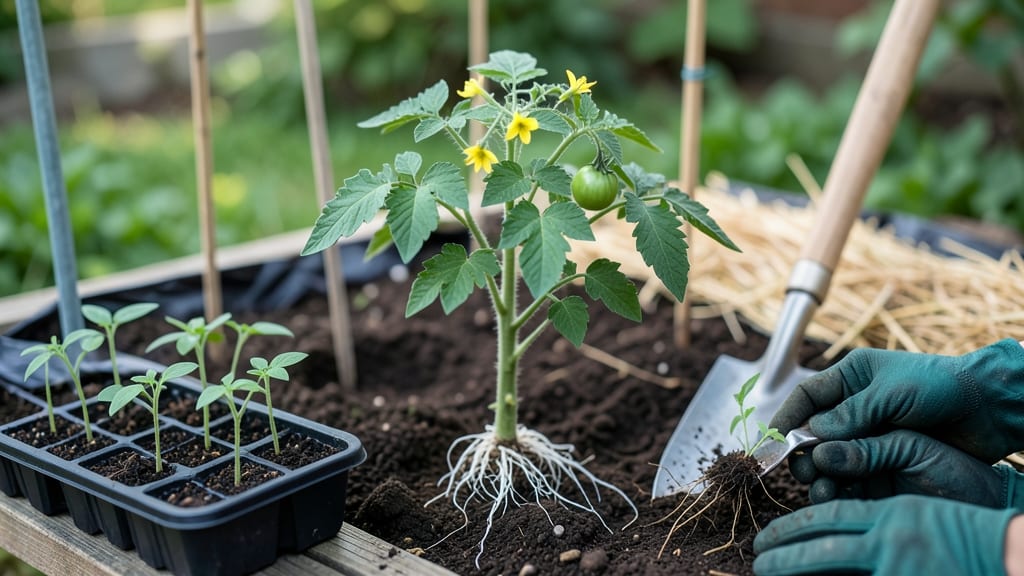
Planting tomatoes in Florida isn’t just about timing—it’s about beating the heat and avoiding bolt-inducing stress that turns your 🍅 dreams into bitter disappointment.
With no frost to worry about but scorching summer sun, the perfect window shifts dramatically depending on whether you’re in North Florida’s cooler hills or South Florida’s steamy coast.
Most gardeners swear by February-March for early varieties, but that’s only half the story. I’ve learned the hard way that July-August plantings can actually outperform spring starts in the right conditions—if you know the tricks to shield seedlings from heat stress and disease pressure.
The key lies in understanding your county’s microclimate, from Jacksonville’s breezy coastal zones to Miami’s oppressive humidity.
What if I told you there’s a science-backed way to stretch your tomato season year-round? We’re talking three harvests per year with minimal bolting, even in Zone 10b’s relentless sun. The secret? Strategic transplanting, shade cloth hacks, and variety selection that makes Florida’s heat work for you—not against you.
Stick around, and I’ll walk you through the exact dates, tools, and troubleshooting tips that’ve helped me grow bushier plants with sweeter fruit—no matter where you live in the Sunshine State. Your next perfect tomato starts with the right timing.
Florida county planting zones: exact dates to avoid tomato bolting
Florida’s 11 agricultural zones create dramatic differences in tomato success. Planting too early in North Florida risks bolting from cold snaps, while South Florida heat can scorch seedlings if planted too late.
The University of Florida IFAS Extension recommends these county-specific windows based on soil temperatures and heat tolerance of varieties.
Bolting occurs when tomatoes sense cool nights or stress, sending energy to flowers instead of fruit. In Florida, this happens most often in January-February for northern regions and August-September during summer heatwaves. Using heat-tolerant varieties and precise planting dates prevents this wasteful growth pattern.
Here’s the county-by-zone breakdown of ideal planting windows, including soil temperature thresholds and recommended varieties to prevent bolting:
| Zone | Counties | Spring Planting Window | Fall Planting Window | Soil Temp Threshold (°F) | Heat-Tolerant Varieties |
|---|---|---|---|---|---|
| North (8a) | Jackson, Gadsden, Jefferson | Feb 15 - Mar 15 | Aug 1 - Aug 15 | 60°F+ | Celebrity, Mountain Merit |
| North-Central (8b) | Leon, Madison, Taylor | Feb 1 - Mar 10 | Jul 20 - Aug 10 | 62°F+ | Solar Fire, Arkansas Traveler |
| Central (9a) | Hillsborough, Polk, Orange | Jan 15 - Feb 28 | Jul 1 - Jul 31 | 65°F+ | Heatmaster, Florida 47 |
| South-Central (9b) | Pasco, Hernando, Citrus | Dec 15 - Jan 31 | Jun 15 - Jul 15 | 68°F+ | Solar Set, Creole |
| South (10a) | Lee, Collier, Miami-Dade | Nov 1 - Dec 15 | May 15 - Jun 15 | 70°F+ | Heatmaster 769, Sunmaster |
| Coastal (10b) | Monroe, Palm Beach, Broward | Oct 1 - Nov 15 | Apr 15 - May 15 | 72°F+ | Solar Fire, Heatmaster
How to adjust planting dates for Florida’s microclimatesFlorida’s diverse microclimates can shift tomato planting windows by 4-6 weeks depending on location. Urban heat islands like Miami or Tampa bake seedlings faster, while coastal areas like Fort Myers face higher humidity risks. Inland zones such as Orlando or Gainesville often experience drier conditions that demand extra irrigation. Understanding these variations lets you fine-tune your schedule for bolting-free growth. For urban gardens, start seedlings indoors 6-8 weeks before your target outdoor date—typically late January to early February for spring crops. Coastal areas should delay outdoor planting until mid-March to avoid fungal diseases thriving in damp air. Inland regions can push planting to early April when soil temperatures stabilize above 65°F, reducing heat stress on young plants.
🌱 Numbered Highlights: Adjusting for Florida’s Microclimates
If you’re growing in containers, adjust your timeline by 1-2 weeks earlier since pots heat up faster. Use self-watering pots with 5-gallon capacity to stabilize moisture levels. For vertical gardening, choose determinate varieties like 'Celebrity' or 'Roma' to maximize space in urban settings. For fall tomatoes, plant seeds indoors in July and transplant outdoors by mid-August in South Florida or early September in North Florida. Use black plastic mulch to warm soil and shade cloth (50%) during 90°F+ days to prevent sunscald on fruit. Monitor your local weather station for heat advisories—when temperatures exceed 95°F, pause planting and focus on seedling care. Prune lower leaves to improve airflow and reduce disease pressure. In coastal areas, watch for hurricane season (June-November) and protect young plants with windbreaks or temporary shelters. With these microclimate tweaks, you can double your tomato harvests by planting spring and fall crops without bolting or disease issues. Start small with 2-3 varieties, track your success, and adjust next year’s schedule based on your garden’s unique conditions. Happy growing! 🌱 |