
Plants
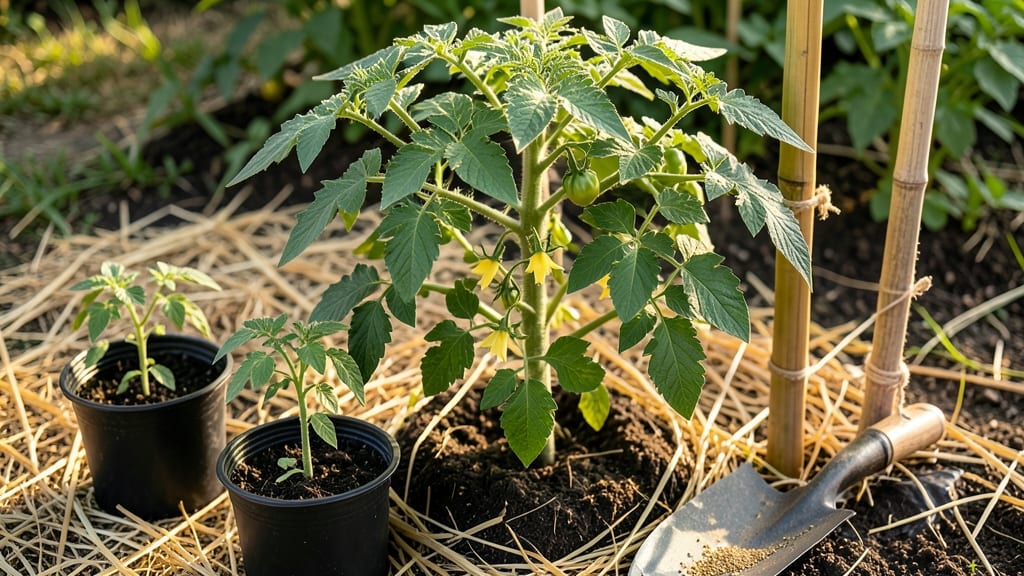
Planting your 🍅 tomatoes at the wrong time in Oklahoma could mean waiting months for harvest—or worse, losing your plants to sudden cold snaps or scorching heat.
The key to a bumper crop lies in understanding your local frost dates and soil conditions, which can vary dramatically from north to south across the state.
Most Oklahoma gardeners in zones 6b-8a should aim to get seeds in the ground between mid-April and early June, once the soil warms to at least 60°F and all danger of frost has passed.
But if you're in the southern part of the state, you might even snag a second harvest by planting heat-tolerant varieties in late July for a fall crop.
Why does timing matter so much? Tomatoes are sensitive to temperature swings—too cold, and they’ll bolt or rot; too hot, and they’ll set fruit poorly.
I’ll walk you through exactly when to plant based on your specific Oklahoma region, plus soil prep tips that make all the difference for juicy, high-yield tomatoes all season long.
Ready to avoid the common mistakes that waste time and effort? Let’s break down the best planting windows, soil temperature guidelines, and regional tricks that Oklahoma gardeners swear by for a successful harvest.
Oklahoma’s last frost dates & ideal tomato planting windows by region
Oklahoma’s diverse climate—from the cooler Panhandle (USDA Zone 6b) to the balmy southeastern hills (Zone 8a)—means your tomato planting window varies dramatically. Getting the timing wrong can mean frost damage or heat stress, so knowing your region’s last frost date is critical.
Most Oklahoma gardeners aim for soil temperatures above 55°F and no frost risk before planting.
For precise planning, check the Oklahoma Mesonet frost map (available at [mesonet.org](https://mesonet.org))—it’s updated daily and shows real-time frost predictions. My North Oklahoma garden (Zone 7a) typically sees its last frost around March 15, while my friends in South Oklahoma (Zone 8a) can plant as early as February 15.
Here’s the breakdown by region, including soil temperature thresholds and exact planting windows to maximize your harvest:
Pro tip: If you’re in Zone 6b or 7a, consider using black plastic mulch to warm the soil faster—this can shave off 1–2 weeks from your planting window. I’ve seen gardeners in Lawton (Zone 7b) plant as early as February 28 with this trick!
For fall varieties, aim to plant 60–70 days before your first frost date. In Zone 8a, that’s late July, while Zone 6b gardeners should plant by August 15**.
Heat-loving varieties like ‘Celebrity’ or ‘Better Boy’ thrive in these late plantings, but avoid early-maturing heirlooms—they won’t ripen in time.
Don’t forget: Oklahoma’s unpredictable spring weather can throw off frost dates. I always keep row covers ready for late-March plantings in Central Oklahoma. The Oklahoma State University Extension recommends monitoring local weather forecasts for 32°F warnings even after the average last frost date.
For container gardening, adjust your timeline by 1–2 weeks earlier—potted soil warms faster than in-ground beds. Just ensure your containers have drainage holes to prevent root rot in Oklahoma’s clay-heavy soil.
🌱
Soil temperature & pre-planting preparation for Oklahoma tomatoes
Before you rush to plant those tomato seedlings, checking your soil temperature is non-negotiable in Oklahoma’s unpredictable climate. Tomatoes thrive when soil stays consistently above 60°F—any cooler, and their roots struggle to absorb nutrients, leading to stunted growth or even death.
My first rule? Wait until the soil thermometer reads at least 60°F for 5 consecutive days before planting. This usually aligns with mid-April to early May for most of the state, but southern Oklahoma can start earlier.
Oklahoma’s clay-heavy soil is another hurdle—it drains poorly and can suffocate roots. To fix this, I always amend the soil 2-3 weeks before planting by mixing in compost or aged manure (2-3 inches deep) and sand or perlite to improve drainage.
For alkaline soil common in Oklahoma, a light application of sulfur or peat moss can help lower the pH slightly, creating a more tomato-friendly environment. Test your soil’s pH first—aim for a range of 6.0-6.8 for optimal growth.
- Step 1
Use a soil thermometer to check temperature at 6-inch depth for 5 days. Plant only when it’s consistently above 60°F.
- Step 2
Mix in 2-3 inches of compost and 1 part sand/perlite per 2 parts soil to improve drainage. For alkaline soil, add sulfur or peat moss to lower pH.
- Step 3
Lay down black plastic mulch or straw to warm soil faster and suppress weeds. This also helps retain moisture during Oklahoma’s hot, dry summers.
- Step 4
Choose organic options like compost tea or synthetic 5-10-10 fertilizer for alkaline soil. Apply 1 tbsp per plant at planting, then every 4-6 weeks during the growing season.
- Step 5
Water early in the morning to 1-1.5 gallons per plant, ensuring roots get moisture without fungal risks from evening dampness.
Once your soil is prepped, mulching is a game-changer for Oklahoma’s extreme weather. I swear by black plastic mulch—it warms the soil faster in spring and keeps it cooler in summer, while also blocking weeds.
For organic gardeners, straw or grass clippings work just as well. Apply mulch 2-3 inches thick around your plants, but keep it away from the stems to prevent rot.
When it comes to fertilizing, Oklahoma’s alkaline soil often lacks phosphorus, which tomatoes need for strong roots and fruit development. I recommend a balanced 5-10-10 fertilizer or an organic compost tea to avoid over-acidifying the soil.
For synthetic options, slow-release granules are ideal—they feed your plants steadily without burning roots. If you’re using organic matter, work it into the top 6 inches of soil before planting for best results.
Finally, don’t forget that tomatoes are heavy feeders, especially in Oklahoma’s heat. After your initial fertilizer application, side-dress with compost or a light dose of 10-10-10 every 4-6 weeks to keep them producing.
And here’s a pro tip: avoid high-nitrogen fertilizers once flowering starts—they’ll give you lush leaves but few tomatoes. Balance is key! 🌱