
Planting
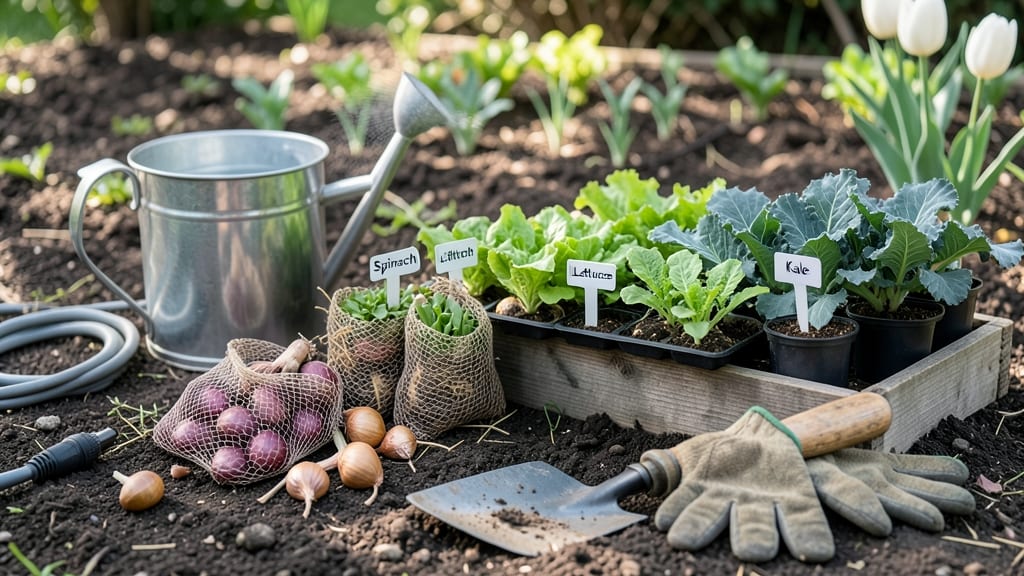
Timing your garden just right in Cleveland, Ohio, means the difference between a thriving 🥕 harvest and wasted seeds—because those last frost dates aren’t just numbers, they’re your planting calendar. Miss them, and you’ll either be rushing to cover tender sprouts or watching your warm-season crops bolt in the heat.
I’ve learned the hard way that Cleveland’s Zone 6a climate demands precision, especially when cool-season crops like lettuce need to hit the soil 4-6 weeks before April 15 and tomatoes can’t afford to wait past mid-May.
The key? Knowing which plants to start indoors, which can handle a quick chill, and how to adjust for those sneaky late frosts that love to show up in early June.
What you’ll discover here is a no-fluff guide to Cleveland’s planting windows—when to sow, transplant, and even push your luck with row covers. Whether you’re a first-time gardener or a veteran dealing with lake-effect microclimates, these strategies will help you stretch your growing season without guessing.
Let’s cut to the chase: the right timing turns your garden from a gamble into a reliable food source. Ready to stop playing Mother Nature’s game and start winning? Here’s exactly when to plant.
Cleveland Ohio last frost dates by season: key planting windows explained
Understanding Cleveland's last frost dates is the difference between a thriving garden and one that barely survives. With an average last frost date between April 15 and May 15, timing your plantings correctly ensures your cool-season crops like lettuce and peas grow strong before summer heat arrives.
Meanwhile, warm-season favorites such as tomatoes and peppers need to wait until after these dates to avoid frost damage.
First frost typically arrives between October 15 and November 1, giving Cleveland gardeners roughly 165 frost-free days to grow. This window is crucial for planning succession plantings and extending harvests into fall.
Local experts at the Cuyahoga County Extension recommend using these dates as guidelines while staying flexible for Cleveland's unpredictable lake-effect weather.
Here’s how to use these frost dates to plan your garden:
| Season | Key Dates | Planting Window | Best Crops |
|---|---|---|---|
| Spring | Last Frost: April 15–May 15 | 4–6 weeks before last frost | Lettuce, Spinach, Peas, Kale |
| Spring | After last frost: May 15–June 1 | 2–3 weeks after last frost | Tomatoes, Peppers, Cucumbers, Beans |
| Fall | First Frost: October 15–November 1 | 8–10 weeks before first frost | Broccoli, Carrots, Radishes, Brussels Sprouts |
| Year-Round | Extend with row covers | Plant 3–4 weeks before last frost | Spinach, Lettuce, Peas |
Cool-season crops like spinach and kale thrive when planted 4–6 weeks before the last frost date. These hardy vegetables can handle light frosts and even improve in flavor after a light freeze.
For example, broccoli and cabbage planted in early spring or late summer often produce sweeter heads when exposed to cooler temperatures.
Warm-season crops, however, cannot tolerate frost. Plants like tomatoes, peppers, and eggplants should only go into the ground 2–3 weeks after the last frost date.
If you’re eager to start early, use biodegradable pots to transplant seedlings after the danger has passed. This method gives you a head start while minimizing root disturbance.
For fall gardening, aim to plant cool-season crops 8–10 weeks before the first frost. This timing ensures your carrots, radishes, and Brussels sprouts mature before the ground freezes.
If you’re unsure about your exact frost dates, watch for local indicators like lilac blooms (late April) or forsythia buds (early May), which signal safer planting times for tender plants.
Cleveland’s lake-effect weather can create microclimates where frost arrives earlier in some areas. Urban gardeners near Lake Erie may experience delayed frosts due to warmer air masses, while inland spots might see earlier freezes.
To account for this, keep a garden journal to track your local frost dates over several years and adjust your schedule accordingly.
If you miss the ideal planting window, don’t panic! Use row covers or cold frames to extend the season for cool-season crops. These protective layers can add 2–4 weeks of growing time, allowing you to plant 3–4 weeks before the last frost without risking damage.
Just remember to remove covers during the day to prevent overheating.
For perennials like asparagus and rhubarb, timing matters too. Plant crowns in early spring (March–April) or early fall (September–October) to give roots time to establish before winter. These hardy plants benefit from Cleveland’s USDA Zone 6a climate, which offers a long enough growing season for reliable harvests.
By mastering these frost dates and adjusting for Cleveland’s quirks, you’ll turn unpredictable weather into an advantage. Start with cool-season crops in early spring, transition to warm-season plants after the last frost, and finish with fall harvests before the first freeze.
With this strategy, your garden will flourish year after year—no matter what Mother Nature throws your way. 🌱
Best plants to start indoors vs. direct-sow in Cleveland’s climate
Cleveland’s short growing season forces tough choices—some plants need a head start indoors to mature before frost, while others thrive when sown directly after the last frost. Tomatoes and peppers, for example, need 75-100 days to produce fruit, so starting them indoors in March is non-negotiable.
But radishes and lettuce bolt in the heat, so they’re safer sown directly in April.
I’ve learned that Cleveland’s Zone 6a climate rewards patience—indoor starts give you a 4-6 week jump on the season, but direct-sowing avoids transplant shock for delicate roots.
The trick? Matching your plant’s days to maturity with your frost-free window (165 days in Cleveland). Let’s break down the best strategies for your garden.
Indoor Starts vs. Direct-Sow in Cleveland
Indoor Starts
- Best for: Tomatoes, Peppers, Eggplants
- When to start: 6-8 weeks before last frost (March)
- Pros: Longer growing season, stronger plants
- Cons: Requires grow lights, more care
Direct-Sow
- Best for: Beans, Lettuce, Radishes, Carrots
- When to sow: After last frost (mid-April)
- Pros: No transplant shock, simpler process
- Cons: Shorter season, risk of bolting
Pro Tip: Use row covers to extend direct-sow windows by 2-3 weeks for cool-season crops.
For warm-season crops, I always start tomatoes and peppers indoors under grow lights in early March. These plants need warmth to germinate, and Cleveland’s cool springs can stall them if sown outside too early.
By the time they’re ready for transplanting (mid-May), they’re already 6-8 inches tall and ready to hit the garden.
On the flip side, cool-season crops like spinach and kale handle direct-sowing beautifully. They germinate quickly in cool soil and tolerate light frosts. I sow these in March for an early harvest, then again in August for a fall crop.
The key is succession planting—every 2 weeks—to keep the harvest rolling.
Don’t overlook herbs like basil and cilantro. Basil needs warmth and does poorly in cold soil, so I start it indoors in April. Cilantro, however, bolts in the heat, so I direct-sow it in late April and again in September for a fall harvest.
It’s all about reading your plants’ temperature preferences.
If you’re pushing your luck with late-season harvests, row covers or cold frames can extend your growing window by 3-4 weeks. I’ve used them to protect broccoli and cabbage through October’s first frost. Just remember: these tools trap heat, so ventilate on warm days to avoid overheating.
Your Cleveland garden thrives when you work with the climate, not against it. Start warm-lovers indoors, sow cool-lovers directly, and use season extenders to squeeze every possible harvest from your short but sweet growing season. 🌱