
Planting
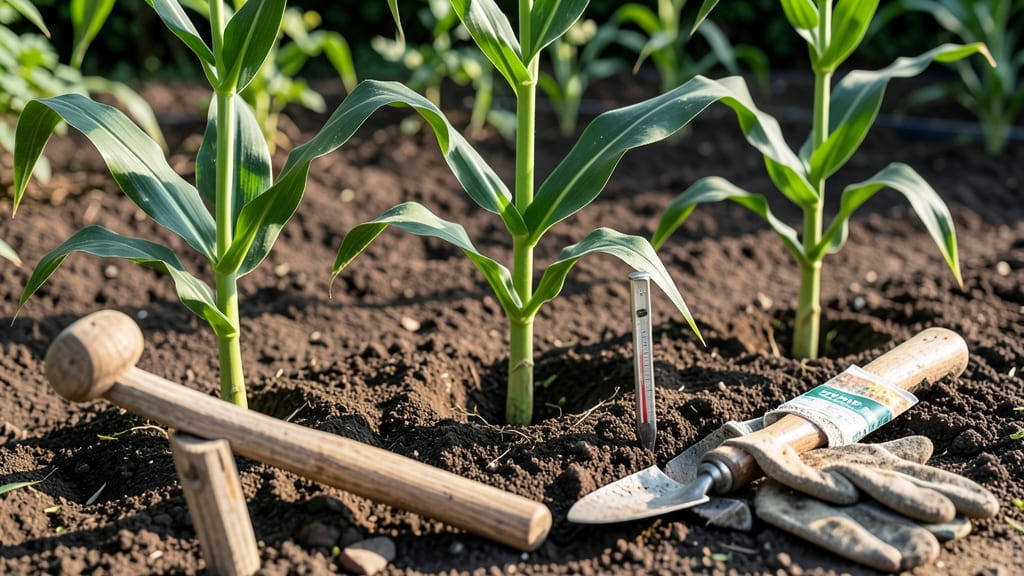
Timing when to plant a garden in Iowa isn’t just about following a calendar—it’s about beating frost, outsmarting unpredictable weather, and giving your 🌱 General Vegetable Garden the best shot at thriving in zones 5a-6b.
Plant too early, and a late frost wipes out your seedlings; too late, and you miss peak harvests.
The difference between a bountiful fall garden and a disappointing one often comes down to knowing exactly when to start seeds indoors, when to transplant tender crops, and how to stretch your growing season with simple tricks.
Iowa’s last frost typically hovers around mid-April, but that doesn’t mean you should rush to plant everything at once. Cool-season crops like peas and spinach can handle frost, while tomatoes and peppers need to wait until soil warms—usually 2-3 weeks after that final frost date.
Then there’s the fall window: late July to early August is your chance to sneak in another round of greens before winter sets in.
Here’s the game-changer: local adjustments matter. Northern Iowa’s shorter season demands earlier starts, while southern counties can push boundaries with row covers or cold frames. I’ll break down county-specific planting windows, frost-free deadlines, and the cold-hardy crops that let you cheat the system—so you’re not guessing, you’re growing.
Ready to turn your Iowa garden into a year-round powerhouse? Let’s dive into the exact timing, tools, and tricks that’ll keep your harvests coming, frost or no frost.
Iowa’s frost-free deadlines by county: When to plant warm-season vegetables
Timing your warm-season vegetable plantings in Iowa depends heavily on your county’s average last frost date, which can vary by 2-3 weeks across the state. Tomatoes, peppers, and cucumbers need consistent warmth to thrive, so planting too early risks frost damage or stunted growth.
I’ve compiled the most reliable 2023-2024 data from Iowa State University Extension to help you plan with confidence.
Southern Iowa counties like Appanoose and Davis often see frost-free conditions by April 15, while northern areas like Lyon or Osceola may wait until May 10 or later.
Even within a county, microclimates near lakes or rivers can delay frost by a week. Always have row covers ready for early starts!
Pro Tip: Use these dates as guidelines—check your local Almanac’s frost predictor or ISU Extension reports for real-time updates. Warm-season crops like tomatoes and peppers should only go in the ground 2-3 weeks after your county’s average last frost.
| County | Avg. Last Frost | Safe Planting Window | Warm-Season Crops |
|---|---|---|---|
| Adair, Adams, Clarke | April 20 | May 5-10 | Tomatoes, Peppers, Cucumbers |
| Black Hawk, Buchanan, Cedar | April 25 | May 10-15 | Tomatoes, Basil, Eggplant |
| Dallas, Polk, Story | April 22 | May 5-12 | Peppers, Cucumbers, Okra |
| Floyd, Howard, Winneshiek | May 5 | May 20-25 | Tomatoes, Peppers, Melons |
| Lyon, Osceola, Sioux | May 10 | May 25-30 | Peppers, Tomatoes, Sweet Potatoes |
🌱 Note: Adjust for early/late years—plant transplants 1-2 weeks earlier if soil is warm.
If you’re in southern Iowa (e.g., Appanoose County), you can start tomato transplants in early May, but hold off until mid-May in northwest Iowa (e.g., Sioux County). For direct-sown seeds like cucumbers, wait until 2 weeks after your county’s safe planting window to avoid cold soil issues.
For peppers and eggplants, which are extra sensitive to cold, I recommend waiting until after May 15 in most counties. These plants need soil temperatures above 60°F to germinate properly.
Use a soil thermometer to check before planting—Iowa’s spring soil can be deceptively cold even when air temps rise!
Adjust for microclimates: Areas near rivers (Mississippi, Cedar) or urban heat islands (Des Moines, Cedar Rapids) may warm up 1-2 weeks earlier. Conversely, hilly or windy regions (northwest Iowa) can delay warmth. Observe your yard’s patterns for 3-5 years to refine your schedule.
Don’t forget fall planting! Many warm-season crops like tomatoes and peppers can be started in late July for a late-summer harvest. Use black plastic mulch to warm soil and extend the season by 2-3 weeks.
I’ve had great success with cherry tomatoes planted in early August—they ripen just in time for fall festivals!
For container gardening, warm
Cold-hardy starts in Iowa: what to plant before frost (peas, spinach, kale, and more)
Iowa’s cool-season crops thrive even as temperatures dip, making them perfect for early spring or late fall plantings. Unlike heat-loving tomatoes or peppers, these frost-resistant varieties can handle light freezes—sometimes even 28°F—and often taste sweeter after a frost.
The key is planting at the right time to avoid bolting (premature flowering) or stunted growth from extreme cold.
Northern Iowa (USDA zones 4a-5a, like Dubuque or Sioux City) has a shorter growing season, so focus on fast-maturing varieties and start seeds indoors 4-6 weeks before your last frost date.
Southern Iowa (zones 5b-6a, like Des Moines or Cedar Rapids) offers more flexibility, allowing for fall plantings up to 8 weeks before the first frost.
🌱 When: Early spring (as soon as soil is workable, 35-40°F) or late summer for fall harvests. Northern Iowa: March-April; Southern Iowa: March-May.
🌿 When: 4-6 weeks before last frost (March-April in north, February-March in south). Tolerates 20°F; harvest young leaves for tender greens.
🌳 When: Direct-sow 3-4 weeks before first frost (August-September for fall). Southern Iowa can plant late July; northern areas wait until mid-August.
🌱 When: Fastest growers—sow every 2 weeks from spring to 6 weeks before first frost. Northern Iowa: March-July; Southern Iowa: February-August.
🥬 When: Start in early spring (March-April) or late summer (August-September) for fall harvests. Use row covers to extend season by 2-3 weeks.
🌱 When: Transplant seedlings 4-6 weeks before last frost (March-April). Southern Iowa can start late February; northern areas wait until mid-April.
🧅 When: Plant in fall (October-November) for next year’s harvest. Northern Iowa: late September; Southern Iowa: October. Soil temp should be 40-50°F.
For northern Iowa, prioritize early-maturing varieties of peas, spinach, and kale to avoid bolting. In southern Iowa, you can push the envelope with fall plantings of broccoli and cabbage—just use row covers if a late frost threatens.
Always check soil temperatures with a thermometer; most cool-season crops prefer 40-70°F for germination.
Pro tip: Succession plant radishes and lettuce every 2 weeks to ensure a continuous harvest. And don’t forget hardy herbs like parsley and cilantro—they’ll survive light frosts too! With these cold-hardy starts, you’ll have fresh greens and roots long after your neighbors’ gardens have gone dormant. 🌿