
Plants
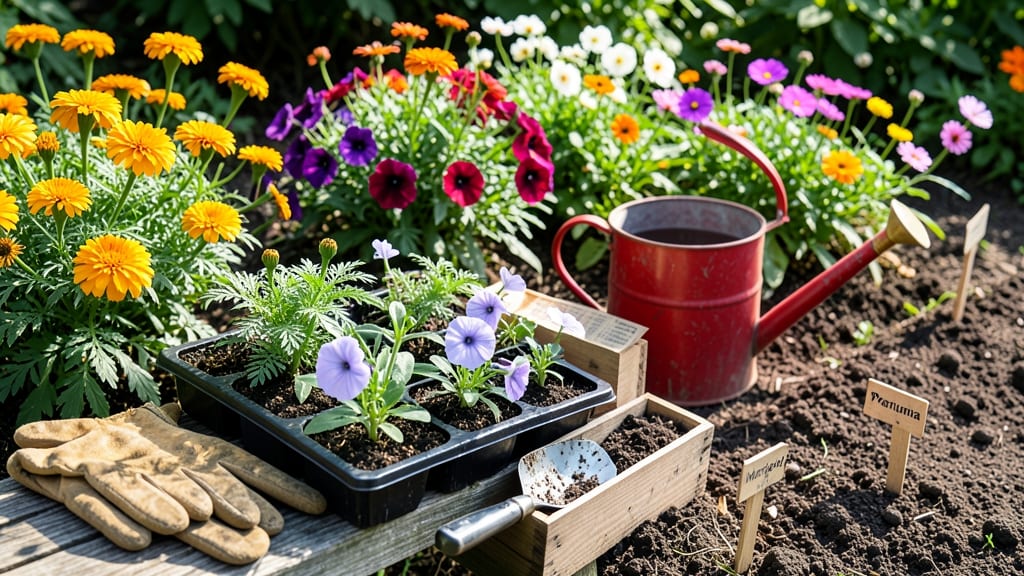
When to plant annuals in New Jersey means the difference between a garden bursting with color and one that fizzles before summer even arrives. Plant too early, and frost will nip those tender seedlings in the bud—literally. Too late, and you’ll miss the prime blooming window, leaving your garden looking sparse when neighbors’ yards are in full swing.
I’ve spent years watching annuals thrive (and fail) in NJ’s 6a-7b climate, and the key isn’t just guessing—it’s knowing exactly when to get those seeds or transplants in the ground.
Whether you’re dreaming of vibrant summer marigolds or crisp fall pansies, the right planting window ensures your garden stays lively from May through October.
Here’s what you need to know: NJ’s last frost typically lands between April 15 and May 15, but that’s just the starting line. Cool-season annuals like snapdragons can handle a light frost, while heat-lovers like zinnias need to wait until the soil warms up.
I’ll break down the perfect weeks to plant for maximum blooms, plus how to stretch your season with smart tricks.
Ready to skip the guesswork? Let’s dive into the exact planting schedule that’ll turn your NJ garden into a nonstop showstopper—no frost damage, no wasted effort, just peak-season color all summer long.
NJ last frost dates by region: when to plant annuals for maximum blooms
New Jersey’s last frost dates vary dramatically from north to south, creating three distinct planting zones that can mean the difference between lush summer blooms and frost-nipped failures.
Whether you're in Zone 6a (north) or Zone 7b (south), knowing your region’s average frost-free window lets you time your annual flower plantings for peak performance.
For cool-season annuals like pansies and snapdragons, you can start seeds 4-6 weeks before your area’s last frost—often as early as mid-March in southern NJ.
But warm-season favorites such as marigolds and zinnias need to wait until 2-3 weeks after the last frost, when soil temperatures consistently stay above 60°F.
Here’s the breakdown you need to plan your annual flower beds like a pro:
| NJ Region | Avg. Last Frost | Cool-Season Planting Window | Warm-Season Planting Window | Microclimate Adjustments |
|---|---|---|---|---|
| Northern NJ (Zone 6a) | April 25 | Start seeds March 15 | Plant May 10 (after frost) | Urban areas 3-5° warmer; valleys frost later |
| Central NJ (Zone 6b-7a) | April 15 | Start seeds March 1 | Plant April 25 (after frost) | Coastal areas 2-3° warmer; inland frost risk higher |
| Southern NJ (Zone 7a-7b) | April 5 | Start seeds February 20 | Plant April 10 (after frost) | Coastal heat islands extend season by 1-2 weeks |
In Northern NJ, where last frosts often hit April 25, I recommend starting cool-season annuals like pansies and sweet alyssum indoors by mid-March. These hardy bloomers can handle light frosts, giving you early spring color before summer favorites take over.
For Central NJ, with its April 15 last frost date, you’ve got a head start. Begin sowing snapdragons and calendula by early March under grow lights, then transplant outdoors 4-6 weeks before the last expected frost. This timing ensures they’re established and blooming by Memorial Day.
Down in Southern NJ, where the last frost typically arrives by April 5, you can push the envelope with early warm-season plantings. Try direct-sowing marigolds and zinnias as early as late March using frost cloth for protection.
If temperatures dip, these heat-loving annuals will bounce back once the weather warms.
Don’t forget about microclimates—your garden’s location matters! Urban areas with pavement and buildings can be 3-5°F warmer than rural spots, delaying frost by 1-2 weeks. Conversely, low-lying areas and valleys often frost later, so adjust your planting dates accordingly.
Pro tip: Use a frost date calculator like the National Gardening Association’s tool to fine-tune your schedule. Input your specific ZIP code for hyper-localized advice, especially if you’re near the coast or mountains, where microclimates run wild.
Once you’ve nailed down your planting windows, focus on soil temperature. Warm-season annuals like petunias and geraniums need soil at 60°F or warmer to germinate properly.
Use a soil thermometer to check—if it’s cooler, wait a few more days or use black plastic mulch to warm the soil faster.
With these region-specific frost dates and planting windows, your annual flower beds will burst into color right on schedule—no more frost surprises or missed blooms! 🌸
Best annual flowers to plant in NJ by season: cool vs. warm-season planting guide
New Jersey’s 6a-7b climate demands precision when planting annuals—cool-season bloomers like pansies thrive in spring, while zinnias and marigolds need warm soil to flourish. I’ve tested these top annuals over years in my own garden, and the difference between perfect timing and wasted effort is just a few weeks.
Cool-season annuals can handle light frost, but warm-season varieties will bolt or wilt if planted too early.
For cool-season annuals, aim to plant 4-6 weeks before last frost (typically late March to early April in NJ). These hardy flowers tolerate cooler temps and even light frost.
Warm-season annuals, however, need to wait until soil reaches 60°F+ (usually mid-May to early June), or they’ll struggle to establish roots. Below, I’ve broken down the best annuals for each season, their ideal planting windows, and NJ-specific tips to avoid common pitfalls.
For fall bloomers, repeat the process in late summer (August-September). Cool-season annuals like calendulas and stocks planted in August will reward you with vibrant color through October and even into November if frost lingers.
I’ve had success with cosmos and asters thriving when planted in early September—they love the cooler fall air and often outlast other annuals.
One of my biggest mistakes? Planting warm-season annuals too early. Last year, I rushed zinnias into the ground in early May, and they bolted within weeks. Now, I wait until mid-June for heat-lovers like sunflowers and cosmos to ensure they establish strong roots before NJ’s summer heat peaks.
If you’re in doubt, use a soil thermometer—plant when soil hits 60°F+ for warm-season annuals.
Pro tip: Succession planting is your secret weapon. Instead of planting all your marigolds at once, stagger them every 2-3 weeks for continuous blooms. This works especially well for basil