
Plants
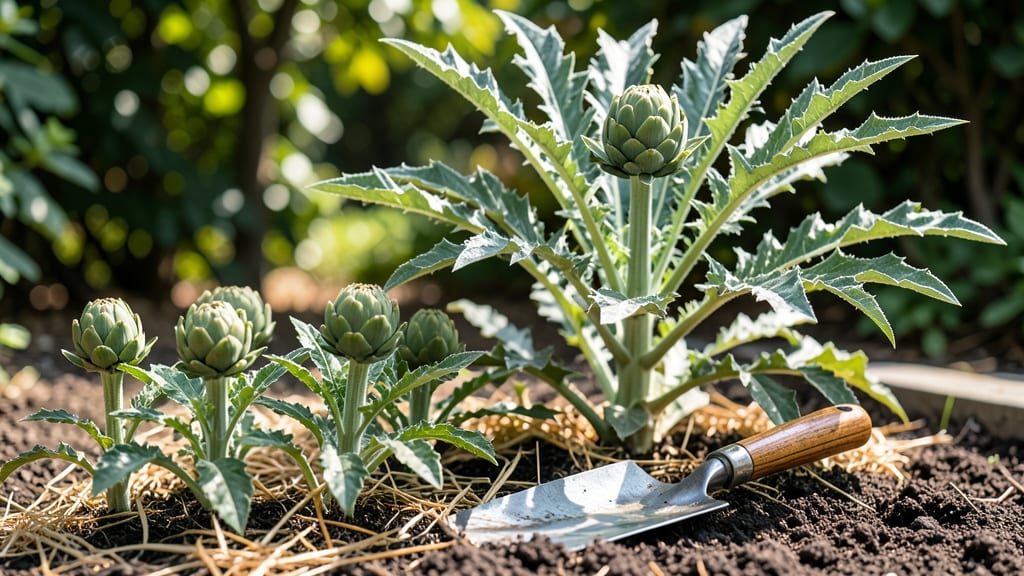
Timing your artichoke planting in Texas can make the difference between a bountiful harvest and a wasted effort—especially when frost sneaks in or summer heat stresses young plants.
The key is planting 4-6 weeks before your last frost, whether you're in North Texas's chilly winters or South Texas's milder climate.
For most of Texas, that means getting those 🌱 artichoke starts in the ground between January and March in cooler zones like Dallas or Fort Worth, or pushing it to September-November in the Gulf Coast's warmer regions.
Miss this window, and you risk stunted growth or even total crop failure—something no Texas gardener wants after months of planning.
But here's the good news: with the right regional schedule and a few smart tricks, you can grow artichokes that thrive year after year. I'll walk you through the exact planting months for your area, plus how to beat Texas's brutal summers and keep your plants producing until harvest season.
Let's dive into the best months to plant artichokes in Texas—so you can enjoy homegrown buds from your garden instead of the store.
Texas artichoke planting calendar by region: frost-free deadlines
Texas's diverse climate means your artichoke planting window can vary dramatically from the Panhandle to the Rio Grande Valley. In North Texas (Dallas/Fort Worth), where frosts linger until mid-December, you’ll need to plant early.
Meanwhile, South Texas (Houston/Corpus Christi) gardeners enjoy a 6-month frost-free period, allowing for fall and winter plantings. Understanding these regional differences is key to avoiding frost damage and maximizing your harvest.
Artichokes thrive in USDA Zones 8a-10b, but Texas spans multiple microclimates. The last frost dates shift from December 15 in North Texas to January 15 in South Texas. This means your planting deadline isn’t one-size-fits-all.
Let’s break down the best months for each region to ensure your artichokes establish roots before the heat of summer or the chill of winter sets in.
Comparison Table: Texas Artichoke Planting Windows by Region
| Region | Last Frost Date | Best Planting Months | Frost-Free Deadline | Harvest Window | Key Considerations |
|---|---|---|---|---|---|
| North Texas (Dallas/Fort Worth) | December 15 | January - March | March 15 | April - June | Use row covers for early plantings; avoid summer heat |
| Central Texas (Austin/San Antonio) | December 25 | January - April | April 1 | March - June | Extended season; can plant fall varieties in September |
| South Texas (Houston/Corpus Christi) | January 15 | September - November or January - February | November 30 or February 15 | February - May | Long growing season; shade cloth helps in peak summer |
| West Texas (El Paso/Midland) | December 10 | January - March | March 10 | April - June | Dry climate; mulch heavily to retain moisture |
In North Texas, your planting window is tight—focus on January through March to beat the last frost around December 15. This gives your plants 120-150 days to mature before summer’s brutal heat arrives.
For Central Texas, you’ve got more flexibility with plantings stretching into April, but avoid pushing it past early April to prevent heat stress on young plants.
South Texas gardeners have the advantage of a longer growing season. You can plant in both fall (September-November) and winter (January-February). The fall crop benefits from cooler temperatures, while winter plantings avoid the peak summer heat.
This dual approach lets you enjoy two harvests per year—one in early spring and another in late winter.
West Texas presents unique challenges with its dry climate. Plant in January through March, but prioritize soil moisture retention with thick mulch. The region’s low humidity can stress artichokes, so consistent watering is non-negotiable. Even with these precautions, expect a shorter harvest window due to the intense summer heat.
For all regions, avoid planting in summer—artichokes hate the heat. Instead, time your plantings to give them 6-8 hours of sunlight daily and well-draining soil with a pH of 6.5-7.5. In North and Central Texas, row covers can extend your season by protecting young plants from late frosts.
In South Texas, 30% shade cloth during peak summer months (June-August) prevents bolting and improves bud formation.
Pro tip: Start seeds indoors 8-10 weeks before your region’s last frost date. This head start ensures robust transplants ready to hit the ground running. Use biodegradable pots to minimize transplant shock when moving seedlings outdoors.
Harden them off for 7-10 days by gradually exposing them to outdoor conditions before planting.
Remember, artichokes are biennial—they produce their best harvest in their second year. This means your first year’s focus should be on establishing strong roots.
Save your biggest buds for the second year when your plants are mature and ready to reward you with globe-sized artichokes perfect for steaming or grilling.
By following these regional guidelines, you’ll dodge frost, beat the heat, and enjoy a bountiful artichoke harvest tailored to your Texas backyard. Happy planting! 🌱
How to extend your artichoke growing season in Texas heat
Texas summers can push temperatures past 100°F, turning your artichoke patch into a wilting nightmare if you don't act. But with the right tricks, you can keep these sun-loving perennials thriving—even when the mercury soars.
The key? Combining shade solutions, smart watering, and heat-resistant varieties to outsmart the heat.
Artichokes need 6-8 hours of sunlight, but direct afternoon rays during peak summer can scorch leaves and stunt growth. Start by installing 30-50% shade cloth over your plants once temperatures hit 95°F.
This filters harsh light while still allowing photosynthesis. Pair this with mulching—use straw or wood chips to lock in moisture and regulate soil temperature.
- Install shade cloth at 30-50% opacity when temps exceed 95°F.
- Water deeply twice daily—once at dawn and again at dusk—to prevent stress.
- Plant companion crops like basil or marigolds to deter pests and improve airflow.
- Choose heat-tolerant varieties like 'Violetto' or 'Green Globe' for better survival.
- Fertilize lightly in fall to boost root strength before summer stress.
Don’t underestimate the power of companion planting. Pair your artichokes with basil, marigolds, or nasturtiums to repel pests like aphids and spider mites, which thrive in hot, dry conditions. These companions also improve air circulation, reducing humidity-related diseases.
For extra protection, set up a drip irrigation system to deliver water directly to the roots—this cuts evaporation and keeps foliage dry.
If your artichokes are already struggling, don’t give up! Prune wilting leaves to redirect energy to new growth, and consider harvesting smaller buds to reduce plant stress. Focus on late-season varieties like 'Violetto', which matures faster in heat and produces tender, flavorful buds even when temperatures climb.
Finally, monitor your soil’s moisture levels with a soil probe. Artichokes need 1-1.5 inches of water per week, but Texas heat can dry soil faster. Test moisture daily during heatwaves—if the top 2 inches are dry, it’s time to water.
Avoid overhead sprinklers, which can spread fungal spores and increase leaf burn.
With these strategies, your artichokes can push through Texas’s brutal summers and reward you with a bountiful harvest—even when the thermometer hits triple digits. Start small, test what works in your microclimate, and soon you’ll master the art of heat-proof gardening. 🌿☀️