
Plants
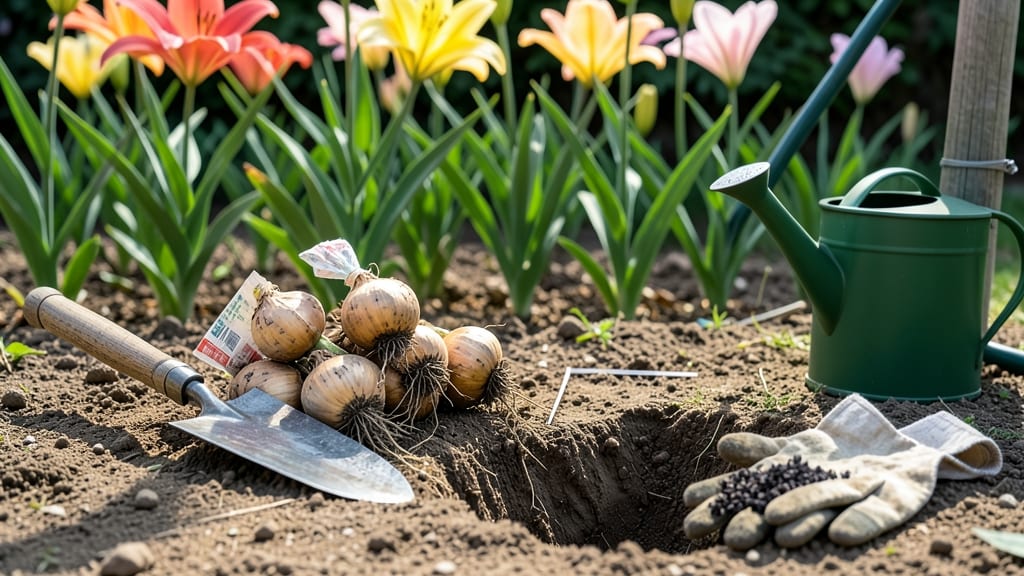
Planting your Asiatic Lily 🌸 bulbs at the wrong time in spring can mean the difference between a showstopping summer display and a sad, wilted investment.
The key isn't just picking a random weekend—it's syncing your planting with soil warmth and frost-free dates to give those bulbs the best shot at thriving.
Most gardeners in Zone 6a (like me!) wait until after the last frost date—usually mid-April—but soil temperature matters just as much. If you plant too early, your bulbs might rot in cold, damp earth, while waiting too long risks stunted growth before summer's heat.
Let me walk you through the exact timing and tricks to get it right every season.
You’ll learn how to test your soil’s readiness (it’s easier than you think!), adjust for regional quirks, and even spot the 3 critical signs your planting is off-track before it’s too late. No more guessing—just confident, foolproof results for those stunning 🌸 blooms you’re dreaming of.
Whether you’re a first-time gardener or a seasoned pro, these insights will help you avoid common pitfalls and set your Asiatic Lilies up for a season of vibrant color. Let’s get those bulbs in the ground the smart way!
Ideal soil temperature for planting Asiatic Lily bulbs in spring
Asiatic lilies thrive when planted in soil that's warmed just enough to encourage root growth but not so hot that it stresses the bulbs. The optimal soil temperature range for planting these beauties is 50-60°F.
This window ensures roots establish quickly while avoiding frost damage or premature sprouting that can occur in warmer conditions.
Why this temperature matters: Asiatic lily bulbs need consistent warmth to break dormancy, but they're also sensitive to extreme heat. Soil below 50°F risks frost injury, while temperatures above 60°F can trigger early sprouting that may get nipped by late frosts. Finding this balance is key to summer success.
Here's how to test your soil temperature accurately before planting:
To measure your soil temperature, use a simple soil thermometer (available for under $10). Insert it 4-6 inches deep—the same depth you'll plant your bulbs—and check readings in the late afternoon when soil is warmest.
For northern climates, aim for late April to early May when daytime highs consistently reach the 60s.
In southern regions, where soil warms faster, plant 4-6 weeks earlier (February-March) but monitor for unpredictable frost. A frost cloth can protect newly planted bulbs if nights remain chilly. The key is planting when your soil hits that 50-60°F sweet spot—not when the air feels warm.
Pro tip: If your soil is too cold, pre-warm it by covering the planting area with black plastic mulch for 2-3 weeks before planting. This raises soil temperature by trapping heat while suppressing weeds. Remove the plastic just before planting to avoid overheating the bulbs.
Once planted, maintain consistent moisture without waterlogging—the ideal soil should feel like a well-wrung sponge. Mulch with 2-3 inches of organic matter (like straw) to regulate temperature and retain moisture. This helps stabilize soil temps around that crucial 50-60°F range during root establishment.
Remember: Asiatic lilies are perennials, meaning they'll return year after year if planted correctly. Getting the soil temperature right in spring sets the stage for stronger roots, healthier foliage, and more dramatic blooms in summer.
When in doubt, wait a week—your lilies will thank you with longer-lasting flowers and fewer pests.
For extra peace of mind, plant a test bulb a week before your target date. If it sprouts vigorously, your soil is ready. If it remains dormant, wait another week. This simple trick saves you from wasted bulbs and disappointing blooms.
Regional planting timelines by US hardiness zones (3-10)
Your Asiatic Lily bulbs need more than just a spring date—they require soil warmth and frost-free windows that vary wildly across the US. In Zone 3, I wait until late May when the ground finally thaws, while in Zone 9, I plant by January to beat summer heat.
The key is matching your local last frost date with soil temperatures hitting 50-60°F—here’s exactly when to plant in your zone.
Microclimates complicate things further. A south-facing slope warms faster than a shady valley, so adjust your timeline by 2-4 weeks if your garden has these nuances.
Use these guidelines as your starting point, then fine-tune with a soil thermometer ($10 at garden centers) to avoid the 3 biggest planting mistakes I see every year.
| Zone | Planting Window | Soil Temp Goal | Microclimate Tip |
|---|---|---|---|
| 3-4 | Late May - Early June | 55-60°F | Use black plastic mulch to warm soil |
| 5-6 | Late April - Mid-May | 50-55°F | Plant near brick walls for warmth |
| 7-8 | February - March | 45-50°F | Avoid low spots where frost lingers |
| 9-10 | January - Early February | 40-45°F | Shade cloth helps prevent heat stress |
For Zone 5-6 gardeners like me, late April is my sweet spot—but I always check the 10-day forecast for nighttime temps below 40°F. If frost is predicted, I either delay planting or use frost blankets for the first week.
Pro tip: Plant bulbs 6 inches deep in these zones to insulate them from late frosts that can still hit in May.
Southern gardeners (Zones 8-10) face different risks—heat stress before blooming. I plant mine in January so roots establish before 90°F+ summer temps arrive. If you’re in Zone 9-10, consider drip irrigation right after planting to keep soil consistently moist during dry spells.
The goal is to give those bulbs 6-8 weeks of root growth before summer’s intensity peaks.
Remember: These are general guidelines. Your actual planting date depends on 3 factors—soil temperature, frost risk, and your garden’s microclimate. I always test soil with a thermometer for 3 days in a row to confirm it’s ready.
When in doubt, wait one more week—your Asiatic Lilies will thank you with bigger, brighter blooms all summer long. 🌸