
Plants
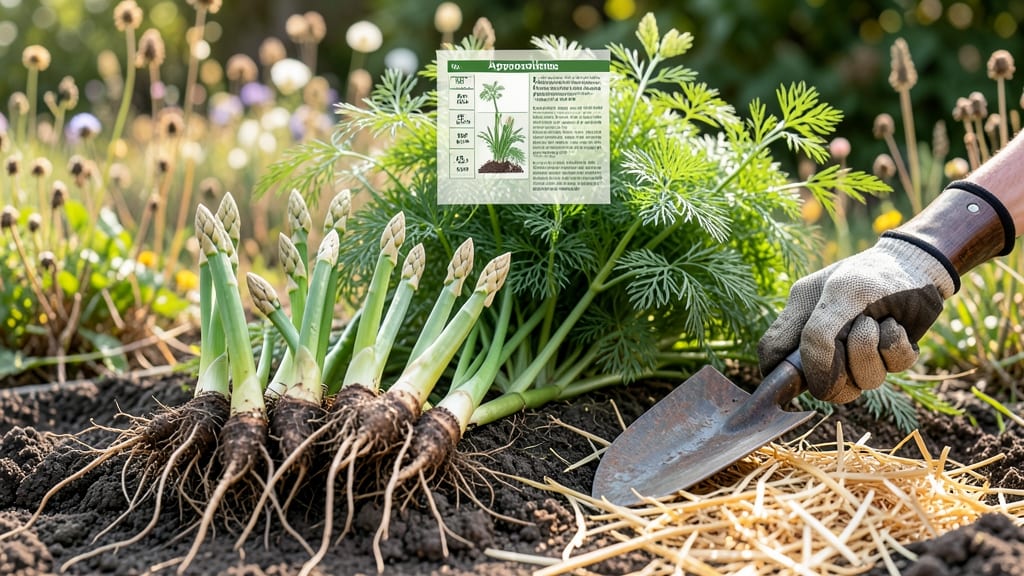
Planting asparagus crowns in Maryland at the wrong time can mean years of waiting for spears instead of a bountiful harvest. The key to success lies in understanding your local frost dates and soil conditions—because asparagus roots need 6-8 weeks of warm soil to establish before summer heat arrives.
Most Maryland gardeners in zones 7a-7b should aim to plant between mid-March and early April, once the ground thaws but before the last frost (typically around April 15).
This window balances frost risk with soil warmth, giving your 🌱 asparagus crowns the best chance to develop strong roots before summer.
But here’s the catch: Maryland’s spring can be unpredictable. If you plant too early, a late frost can damage tender crowns; too late, and your harvest gets delayed by another year.
I’ll show you how to adjust for your specific microclimate—whether you’re in the cooler Piedmont or warmer coastal plains—to get spears in 3 years instead of 4.
Ready to skip the guesswork? Let’s break down the exact steps for preparing your soil, choosing the right crowns, and protecting your investment from Maryland’s famously fickle spring weather.
Maryland’s ideal asparagus planting window by frost zone
Maryland’s USDA zones 6a-7b create a narrow but critical window for planting asparagus crowns. Timing matters because crowns need 6-8 weeks of warm soil to establish roots before summer heat arrives.
Plant too early, and frost will damage tender shoots; too late, and roots won’t mature in time for next spring’s harvest.
Most Maryland gardeners target mid-March to early April for planting, aligning with the average last frost date of April 15. However, soil temperature—not air temperature—determines success. Asparagus crowns thrive when soil reaches 50°F (10°C), typically by late March in southern Maryland and early April in northern regions.
Here’s the breakdown by zone, including soil temperature targets and last-frost averages to guide your planting schedule:
For zone 6a gardeners, I recommend waiting until soil reaches 50°F (10°C)—even if it means planting in early April. Use a soil thermometer to confirm; air temperature alone won’t cut it.
In zone 7b, you can start as early as late February, but protect young crowns with mulch or row covers if nights dip below freezing.
Pro tip: Prepare your asparagus bed in fall to give soil time to warm naturally. Work in compost and aged manure to improve drainage, as asparagus hates soggy roots. Aim for a pH of 6.5–7.5—Maryland’s clay soils often need lime to hit this target.
If you miss the ideal window, don’t panic. You can plant 1-year-old crowns in fall (October–November), but they’ll need extra winter protection. Just cover the bed with 6 inches of straw mulch to insulate roots from freeze-thaw cycles.
Remember: Asparagus is a perennial investment. Crowns planted in the right window will produce spears for 15–20 years, so take your time with soil prep and timing. Patience now means bountiful harvests in 3–4 years—not just next spring.
For real-time updates, check the Maryland Department of Agriculture’s frost maps or use the Old Farmer’s Almanac for localized forecasts. Your first harvest could be just 60 days after soil warms—make every day count! 🌱
How to adjust planting for Maryland’s unpredictable spring weather
Maryland’s spring weather can swing from freezing nights to sudden heatwaves, leaving gardeners like me scrambling to protect tender asparagus crowns. The key to success is flexibility—knowing how to adjust your planting timeline and protect your investment when Mother Nature throws curveballs.
Late frosts in April are common, and soil moisture can fluctuate wildly, so I’ve tested these strategies over years to keep my asparagus thriving despite Maryland’s whims.
First, always have a backup planting date in mind—typically mid-April to early May—if your primary window gets delayed by cold snaps. I’ve found that asparagus crowns planted in trenches with 6-8 inches of soil cover can handle light frosts after they’re established, but young roots are still vulnerable.
The goal is to give your crowns 6-8 weeks of warm soil before summer heat arrives, even if that means delaying planting slightly.
⚠️ callout warning ⚠️ Late Frost Warning: If frost is forecasted after planting, cover asparagus crowns with straw mulch (4-6 inches) or a frost blanket. Never use plastic directly on crowns—it traps moisture and causes rot. For extra protection, build a low tunnel with hoops and row cover until soil warms consistently above 50°F. Remember: Frost damage to new shoots won’t kill the plant, but it delays your first harvest by a full year! 🌱
Another trick I swear by is mulching early. Spread straw or shredded leaves (3-4 inches) over the planting trench immediately after setting crowns. This insulates the soil, keeps moisture even, and prevents temperature swings from shocking young roots. Organic mulch also breaks down slowly, enriching the soil—just avoid fresh wood chips, which can tie up nitrogen and stunt growth.
For gardeners in Maryland’s cooler Piedmont region, consider a two-phase planting approach: Start with half your crowns in early April, then plant the rest in late April if the first batch struggles. This spreads your risk and ensures some spears will emerge earlier.
In warmer coastal areas, you can push planting to early May without worrying about late frosts, but be prepared for summer heat stress
Don’t overlook soil temperature checks. Use a soil thermometer to confirm your planting site is above 50°F at 4-inch depth—this is non-negotiable for root growth. If your soil is still cold, hold off. I’ve seen gardeners rush planting in March only to have crowns rot in chilly, soggy soil. Patience here means faster harvests in years 3-4, not wasted seasons. Finally, if all else fails, container growing is a lifesaver for risk-averse Marylanders. Plant crowns in 18-inch-deep pots filled with well-draining soil, and move them to a sheltered spot or greenhouse until soil warms. This gives you full control over temperature and moisture—no more praying for perfect spring weather. Just be ready to harvest spears earlier, as container-grown asparagus matures slightly faster than in-ground plants.