
Plants
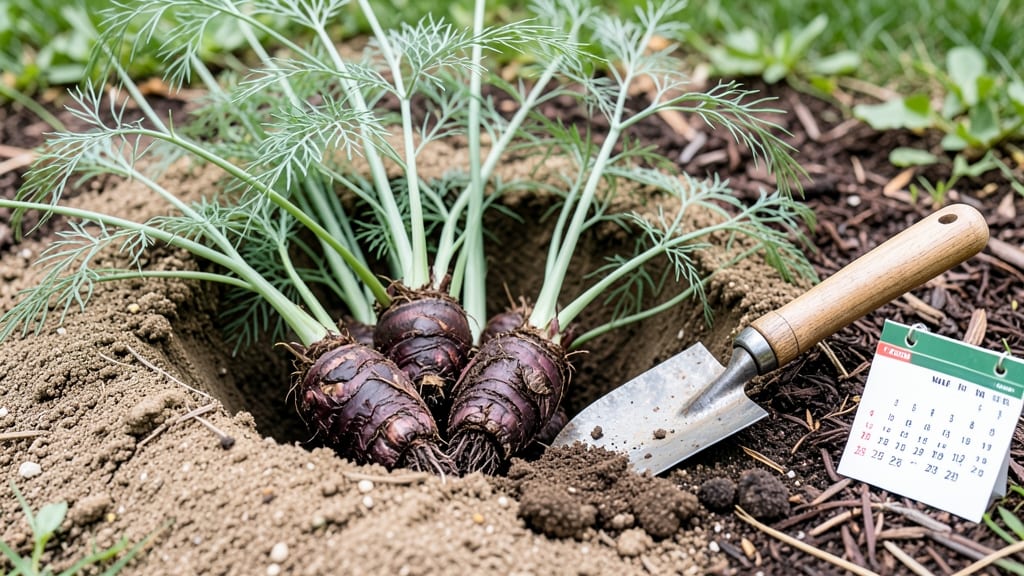
Planting asparagus at the wrong time in Nebraska could mean waiting years for your first harvest—or worse, watching your crowns rot before they even take root. The best window for planting this cold-hardy 🌱 vegetable is all about timing the thaw, soil warmth, and frost risk just right.
Most Nebraska gardeners swear by early spring planting in March or April, when the ground is workable but still cool enough to prevent premature sprouting.
But there’s a catch: western Nebraska’s colder microclimates (like 5a) demand extra caution, while eastern regions (closer to 6b) can handle slightly later starts.
I’ve learned the hard way that rushing the process—like planting too early when soil temps hover near freezing—can stunt growth or invite disease. The key is waiting until the soil reaches at least 50°F, even if that means delaying until late April.
Trust me, a few extra weeks of patience now means thicker spears and a more productive bed in years to come.
Whether you’re a first-time gardener or a veteran with decades of experience, nailing this timing will set your asparagus up for success. Let’s break down the exact steps to get it right—so you can enjoy your first harvest in May or June of year three.
Best planting months for asparagus in Nebraska’s climate zones
Nebraska’s USDA hardiness zones 5a–6b create a unique challenge for asparagus growers. Unlike many vegetables, asparagus thrives on cool-season establishment but needs warm soil to root properly. In my experience, planting too early risks frost damage, while waiting too long delays the 3-year harvest window you’re aiming for.
The ideal planting window in Nebraska spans late March through early April for spring planting, with a secondary option in late September for fall. This timing balances soil temperature thresholds (minimum 50°F) and frost risk.
Eastern Nebraska’s Zone 6a can start slightly earlier, while western Zone 5b areas should wait until after the last frost date.
Here’s the key difference between planting methods: Crowns (1-year-old roots) establish faster than seeds, which take 2–3 extra years to produce spears. I recommend crowns for Nebraska’s short growing season—90% of local gardeners prefer this method for reliable harvests.
| Planting Method | Best Months | Soil Temp Requirement | Frost Risk | Harvest Window |
|---|---|---|---|---|
| Crowns (1-year-old roots) | Late March–Early April | 50°F+ (10°C+) | Low (after April 15) | Year 2–3 (May–June) |
| Crowns (Fall Planting) | Late September | 55°F+ (13°C+) | Moderate (first frost Oct 15) | Year 3 (May–June) |
| Seeds | Early April (indoor start) | 60°F+ (16°C+) | High (transplant after May 1) | Year 4–5 |
Spring planting in March–April gives asparagus crowns 6–8 weeks of cool weather to establish roots before summer heat arrives. I’ve found that planting by April 15 in most of Nebraska ensures the soil stays consistently above 50°F, which is critical for root growth.
In Zone 5a (western Nebraska), wait until mid-April to avoid late frosts.
Fall planting in September is less common but works well if you’re starting asparagus in Year 1. The crowns need 6–8 weeks to root before winter dormancy. I recommend this method only if you can plant by September 20—after that, frost risks increase.
Fall-planted asparagus may produce 10–20% fewer spears in Year 2 compared to spring planting.
One mistake I see often is planting asparagus too shallow. Crowns should sit 6–8 inches deep—any shallower, and they’ll heave in freeze-thaw cycles.
In Nebraska’s clay-heavy soils, amending with compost or sand improves drainage and prevents crown rot, a common issue in Zone 6b areas with heavy rainfall.
For seed planting, Nebraska’s short season makes it risky. Seeds need 60°F+ soil to germinate, which typically happens by late April. However, seedlings are frost-sensitive and may not survive Nebraska’s unpredictable May frosts.
If you choose seeds, start them indoors in March and transplant after May 1.
Regional variations matter: Eastern Nebraska’s humid climate favors early spring planting, while western areas with drier soils can push planting to mid-April. Always check your local frost dates—I use the Nebraska State Climate Office for precise timing.
Mulching with straw or wood chips after planting helps regulate soil temperature and retain moisture.
Remember, asparagus is a perennial investment. Proper planting timing in Nebraska’s climate ensures 20+ years of harvests with minimal maintenance. Whether you choose spring or fall planting, prioritize soil warmth and frost avoidance—these two factors make all the difference in Nebraska’s growing conditions.
How to prepare Nebraska soil for asparagus success
Asparagus thrives in well-drained, nutrient-rich soil with a pH between 6.5 and 7.5. Nebraska’s clay-heavy soils in eastern regions and sandy loams in the west require different prep strategies. Without proper soil prep, your asparagus crowns will struggle to establish roots, leading to poor yields for years.
Start by testing your soil’s pH and organic matter at least 4–6 weeks before planting.
Most Nebraska gardeners face two common soil challenges: compacted clay (eastern regions) and low organic matter (western regions). Clay soils retain too much moisture, while sandy soils drain too quickly.
Both extremes stress asparagus roots, which need consistent moisture but hate soggy conditions. Amending your soil isn’t just about adding compost—it’s about balancing texture, nutrients, and drainage for long-term success.
⚠️ callout-warning ⚠️
Begin by loosening the soil to a depth of 12–18 inches using a broadfork or tiller. Nebraska’s native prairie sod is dense, so breaking it up prevents root restriction. Mix in 3–4 inches of compost (or well-rotted manure) to improve fertility and water retention.
For clay soils, add coarse sand or perlite to improve drainage, while sandy soils benefit from peat moss or coconut coir to hold moisture.
Adjust your soil’s pH to 6.5–7.5 using lime for acidic soils (common in eastern Nebraska) or sulfur for alkaline soils (common in western Nebraska). Apply amendments 6–8 weeks before planting to allow them to integrate fully.
For example, if planting in early April, start soil prep in February. Over- or under-amending can harm asparagus roots, so follow test results precisely.
Incorporate a balanced fertilizer (like 5-10-10) at planting time to provide essential phosphorus for root development. Nebraska’s cool springs delay nutrient uptake, so avoid heavy fertilizing until soil temperatures reach 50°F or warmer.
Mulch with straw or wood chips after planting to retain moisture, suppress weeds, and protect crowns from freeze-thaw cycles common in Nebraska’s unpredictable climate.
Finally, avoid fresh manure or high-nitrogen fertilizers near planting time, as they can burn delicate asparagus roots. Instead, opt for slow-release organic matter like composted leaf mold or aged compost.
With the right soil prep, your asparagus will establish strong roots, leading to abundant spears in years 2–3—the true reward of patient gardeners. 🌱