
Plants
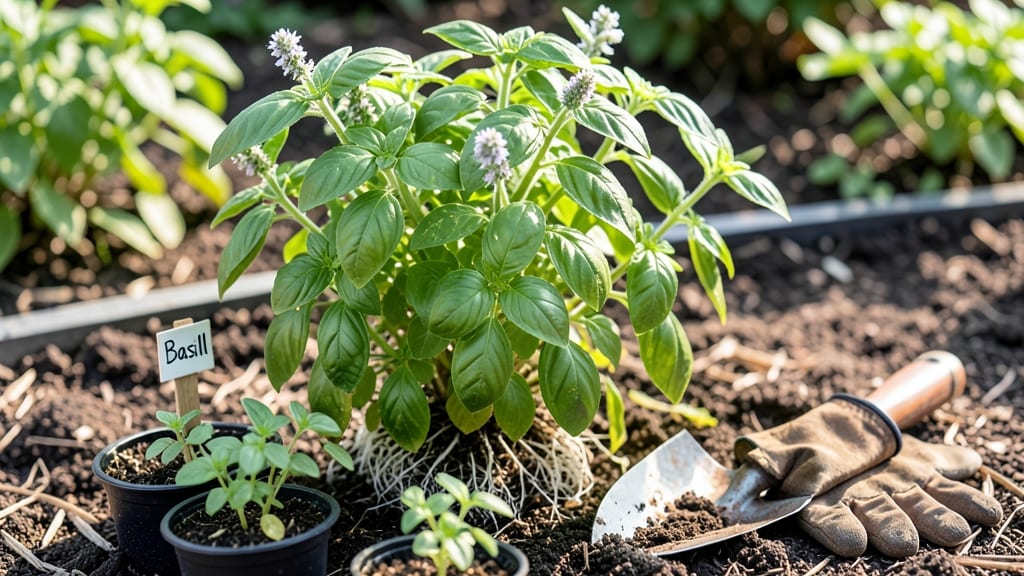
Planting basil at the wrong time in North Carolina can mean the difference between a thriving herb garden and a sad, wilted disappointment. The key to growing lush, flavorful 🌿 basil all season long starts with understanding your local frost dates and heat zones.
If you've ever wondered why your basil bolts too early or struggles in the heat, timing is the most important factor. North Carolina's diverse climate—from the cooler mountains to the warmer coastal plains—means planting windows vary by 15-30 days depending on where you live.
I'll break down exactly when to plant basil in NC, whether you're starting seeds indoors, transplanting seedlings, or replanting for a fall harvest. You'll learn how to avoid common mistakes that waste time and money, plus tips to extend your growing season for continuous harvests.
Ready to grow basil that tastes like summer all season? Let's dive into the perfect planting schedule for your specific NC heat zone and get those plants thriving from spring through fall.
NC basil planting calendar by USDA heat zones (7a-8b)
North Carolina’s diverse climate—from the cool mountains to the humid coastal plains—means your basil planting timeline should match your USDA zone. Whether you're in Zone 7a (Asheville) or Zone 8b (Wilmington), timing is everything to avoid frost damage and maximize your harvest.
I’ll break down the exact frost-free windows for each zone, including when to start seeds indoors and transplant outdoors for two harvests per year.
Basil is a warm-season herb that hates frost, so planting too early in cold soil will stunt growth. The key is waiting until the soil temperature stays above 50°F consistently.
In NC, this typically means planting after April 15 in the mountains and as early as March 15 along the coast. For a fall harvest, aim for late summer plantings before the first frost hits in November.
| USDA Zone | Last Frost Date | Indoor Seed Start | Outdoor Transplant | Fall Replant | First Frost |
|---|---|---|---|---|---|
| 7a (Asheville, Boone) | April 15 | March 1 - March 15 | May 1 - May 15 | August 1 - August 15 | November 1 |
| 7b (Hickory, Greensboro) | April 1 | February 28 - March 10 | April 20 - April 30 | July 31 - August 10 | November 15 |
| 8a (Raleigh, Fayetteville) | March 15 | February 15 - February 25 | April 1 - April 15 | July 15 - July 30 | December 1 |
| 8b (Wilmington, Charlotte) | March 1 | January 31 - February 10 | March 15 - March 31 | June 15 - July 10 | December 15 |
For Zone 7a gardeners, like those in the Blue Ridge Mountains, start seeds indoors by March 1 and transplant after May 1 to avoid late frosts. In Zone 8b, you can push the envelope—plant outdoors as early as March 15 and enjoy a longer growing season.
The coastal plains (Zone 8b) also allow for a fall replant as late as July 10, giving you a second harvest before winter.
If you’re growing basil in containers, you can extend your season by moving pots indoors before the first frost. I’ve had success keeping my Genovese basil thriving on a sunny windowsill until November in Zone 8a. Just remember to reduce watering as daylight shortens.
For in-ground plantings, mulch heavily to protect roots from temperature swings.
Pro tip: Use shade cloth in Zone 8b during peak summer (July-August) to prevent bolting. Too much heat can cause basil to flower prematurely, ruining its flavor. A 30% shade cloth keeps plants happy without stunting growth. Pair this with <
How to extend basil’s growing season in NC’s short summers
North Carolina’s short summers and unpredictable late frosts can cut basil harvests early—but with the right strategies, you can enjoy fresh leaves from May through October. The key is protecting your plants from heat stress, pests, and cold snaps while maximizing sunlight exposure.
Whether you’re in the Piedmont or coastal plains, these techniques will keep your basil thriving even when summer feels too brief.
Start by choosing heat-tolerant varieties like Genovese or Thai basil, which handle NC’s humidity better than delicate types. Pair them with shade cloth (30-50%) during peak afternoon sun (12 PM–4 PM) to prevent leaf scorch.
This simple step can extend your harvest by 2-3 weeks in regions like Raleigh or Charlotte, where temperatures often exceed 90°F.
🌱 Pro Tips to Protect Your Basil
- 1. Cold Frames: Use low tunnels or cold frames to shield seedlings from late spring frosts (common in Asheville until April 15). These can add 5-10°F of warmth.
- 2. Shade Cloth: Install 30-50% shade cloth when temps hit 85°F+ to prevent leaf burn. Secure it with clips or weights to avoid wind damage.
- 3. Companion Planting: Pair basil with tomatoes, peppers, or marigolds to deter aphids and spider mites. Avoid planting near fennel, which stunts growth.
- 4. Succession Planting: Sow new seeds every 2-3 weeks from May to August to ensure a continuous harvest. Use biodegradable pots for easy transplanting.
- 5. Mulching: Apply 2-3 inches of straw mulch to retain moisture and regulate soil temperature. Replenish every 4-6 weeks.
For fall harvests, focus on succession planting in August to replace bolting plants. In USDA Zone 7a (e.g., Mountains), aim for September 1 plantings to avoid first frost (typically November 1).
Use row covers on cooler nights to buy extra time. In Zone 8b (e.g., coastal areas), you can push it to October 15 with protection.
Pests like whiteflies and basil borers thrive in NC’s heat—prevent them with neem oil sprays (apply every 7-10 days) or introduce ladybugs for natural control. Always water at the base (not leaves) to reduce fungal diseases like downy mildew, which spreads quickly in NC’s humidity.
A morning watering routine keeps foliage dry by evening.
If your basil starts to bolt prematurely (sending up flower stalks), prune the top sets (buds at leaf junctions) to redirect energy to leaf growth. This trick works even in high-heat months and can add 3-4 weeks to your harvest.
For container gardeners, choose 5-gallon pots with drainage holes—they retain moisture better than small pots and reduce stress during NC’s dry spells.
With these methods, you’ll turn NC’s short summers into a long basil season. Start small—try one technique this year, like shade cloth or companion planting, and expand next season. Your taste buds (and dinner plates) will thank you! 🌿