
Plants
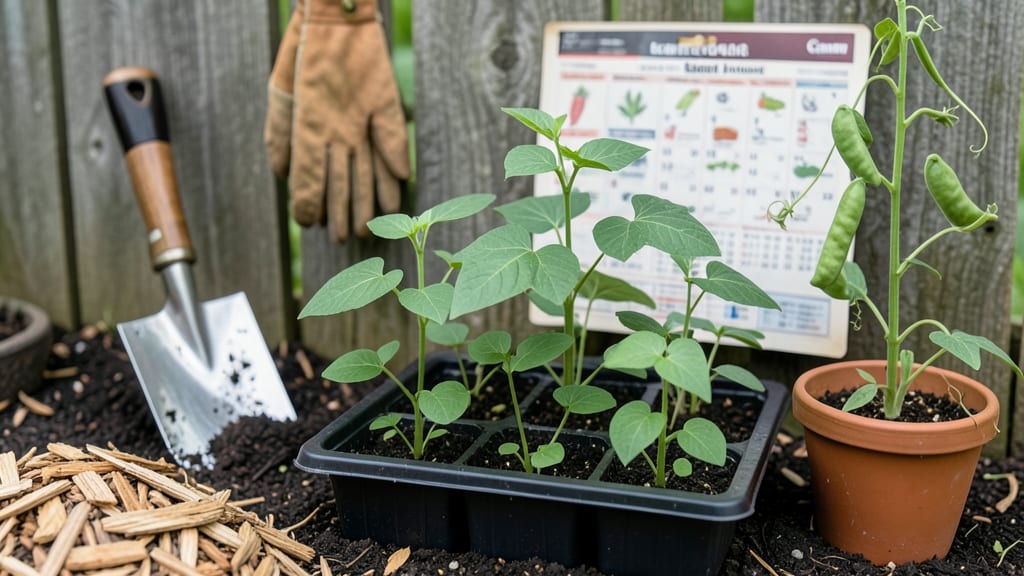
Planting beans in Massachusetts isn’t just about tossing seeds into the dirt—it’s about catching that perfect soil warmth window between frost and summer heat. Cold soil can leave your seeds sitting there for weeks, while waiting too long risks stunted growth before harvest.
The key? Knowing when your soil hits that magic 60°F threshold—and how to adjust for your specific corner of the state.
Whether you’re in the Boston suburbs, the Cape Cod winds, or the Berkshires’ rolling hills, your last frost date and microclimate play a huge role. We’ll break down the exact planting windows for bush and pole beans, plus how to test soil temperature without fancy tools.
No more guessing—just fast germination and a bountiful harvest from July to September.
You’ll also discover which bean varieties thrive in Massachusetts’ short growing season, from quick-maturing bush beans to towering pole varieties that keep producing all summer.
Plus, I’ll share my top tricks for beating cold soil delays, like black plastic mulch and a simple seed-soaking hack that cuts wait time in half.
Ready to turn your garden into a bean bonanza? Let’s get those seeds in the ground at the right time—because in Massachusetts, timing really is everything for 🌱 beans that grow fast and taste sweet.
Massachusetts bean planting calendar: frost dates vs soil temperature zones
Massachusetts gardeners face a unique challenge: cold soil that can delay bean germination by weeks. Unlike frost-sensitive plants, beans need soil temperatures of 60°F or warmer to sprout reliably. This means planting too early—even after the last frost—can leave your seeds sitting in the ground for 3-4 weeks without progress.
Understanding your USDA zone and regional frost patterns is key to timing plantings perfectly for bush beans (45-50 days to harvest) and pole beans (55-65 days).
Most of Massachusetts falls within USDA zones 5b-7a, but microclimates create dramatic differences. The Berkshires (Zone 5b) often sees last frosts around May 15, while Cape Cod (Zone 6b-7a) can warm up by April 25—a full month earlier.
Even within Boston (Zone 6b), urban heat islands can push soil temperatures 5°F warmer than rural areas. These variations mean your planting window could shift by 3-4 weeks depending on location.
Here’s the critical rule: Never plant beans when soil temps are below 60°F, even if air temperatures feel warm. A 50°F soil can leave seeds dormant for weeks, while 65°F+ soil ensures germination in 5-7 days.
Use a soil thermometer (or the "barefoot test"—if the ground feels warm enough to stand on for 5 seconds, it’s likely ready) to confirm. Below, we’ll compare planting windows for bush vs pole beans across Massachusetts’ key regions, so you can align your harvest with summer’s peak.
| Region | USDA Zone | Avg Last Frost | Soil 60°F Trigger | Bush Bean Window | Pole Bean Window |
|---|---|---|---|---|---|
| Berkshires (Pittsfield) | 5b | May 15 | Late May | May 20–June 5 | May 1–May 15 |
| Boston Area | 6b | May 10 | Early May | May 5–May 20 | April 25–May 10 |
| Cape Cod (Hyannis) | 7a | April 25 | Mid-April | April 15–April 30 | April 1–April 15 |
| Western MA (Springfield) | 6a | May 5 | Late April | April 25–May 10 | April 15–April 25 |
Pole beans deserve special attention because they need a longer growing season (55-65 days). In Zone 5b (Berkshires), planting them before May 1 risks frost damage before harvest. Meanwhile, Cape Cod’s Zone 7a allows for an earlier start, but even there, a late frost in April can threaten young seedlings. For pole beans, consider staggered plantings every 2 weeks to extend your harvest through September**. This works especially well for Kentucky Wonder or Rattlesnake beans, which thrive in MA’s climate.
If you’re in a cooler microclimate (like the Berkshires), use black plastic mulch to warm soil by 5-10°F and plant pole beans under row covers for the first 2 weeks. This can shave 10-14 days off your growing season.
For bush beans, which mature faster (45-50 days), you can often get away with direct sowing after the last frost, but always verify soil temps. Pro tip: Soak seeds overnight in water to jumpstart germination if you’re pushing the early planting window.
Fall plantings are possible in Massachusetts, but they’re risky. Beans need 90-100 days of warm weather to mature, so even a Zone
How to test soil warmth for beans (and 3 pro tips to speed germination)
Testing soil warmth is the secret weapon for Massachusetts gardeners who want beans to sprout quickly. Beans need soil at least 60°F to germinate—any colder and your seeds will sit dormant for weeks.
The good news? You don’t need a fancy thermometer. A simple DIY soil temperature test using household items will give you the exact data you need to time your planting perfectly.
Start by checking your soil’s readiness in the morning when temperatures are coolest. Dig a hole about 2 inches deep (the same depth you’ll plant your seeds) and feel the soil with your hand.
If it feels like a warm bath—neither too hot nor too cold—it’s likely in the right range. For a more precise method, use a thermometer wrapped in aluminum foil and buried for 30 minutes. This mimics how soil retains heat and gives you an accurate reading.
- 🔥 Use black plastic mulch to warm soil by 10-15°F faster. Lay it down 1-2 weeks before planting to create a microclimate.
- 💧 Soak seeds overnight in warm water (not boiling) to kickstart germination. Drain well before planting to avoid rot.
- ☀️ Cover seeds with row fabric after planting to trap heat during the day and protect from nighttime chills.
If your soil is still too cold, don’t wait—extend your growing season with row covers or cold frames. These create a greenhouse effect, raising soil temperatures by 5-10°F and allowing you to plant beans 2-3 weeks earlier than usual. Just remove the covers once seedlings emerge to prevent overheating.
For gardeners in cooler microclimates like the Berkshires or Cape Cod, consider starting beans indoors under grow lights. Transplant seedlings outdoors once soil warms, but harden them off first to avoid shock. This method gives you a 2-week head start on germination and a longer harvest window.
Remember, beans are sensitive to cold soil, but with these tricks, you can outsmart Massachusetts’ unpredictable spring. The key is acting early—whether you’re testing soil warmth, soaking seeds, or using mulch. Once your beans sprout, they’ll grow fast, giving you a steady harvest from July to September.
Pro tip: Keep a garden journal to track soil temperatures year after year. Over time, you’ll spot patterns in your microclimate and fine-tune your planting schedule for perfect timing every season. Happy growing! 🌱