
Plants
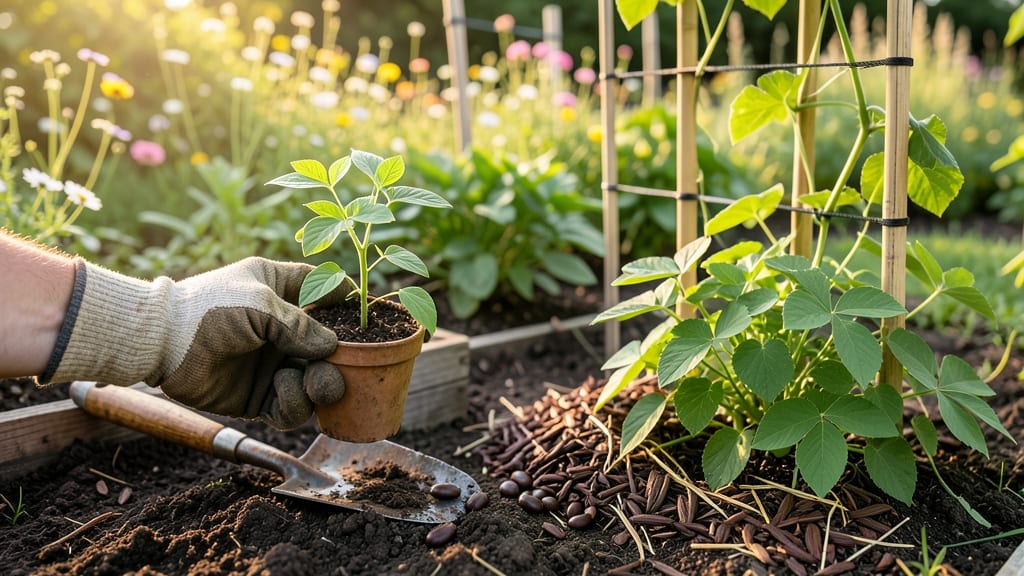
Planting beans at the wrong time in North Carolina can turn your garden dreams into a sad pile of wilted seedlings—but timing it just right guarantees fast germination and a bumper crop.
The key isn’t just waiting for spring; it’s knowing the exact weeks before your last frost, when soil temperatures hit that sweet 60°F+ threshold for happy little bean sprouts.
I’ve grown beans across NC’s diverse zones, from the cooler mountains to the humid coast, and the difference between a thriving patch of 🌱 pole beans and a failed experiment comes down to those critical planting windows.
Whether you’re in Raleigh, Asheville, or Wilmington, we’ll break down the best weeks to drop seeds for your specific microclimate—no guesswork, just proven results.
Most gardeners make one of two mistakes: planting too early when frost still lingers or waiting too long and missing the ideal soil warmth. Both mean slower growth, fewer pods, and a lot of frustration.
What you’ll discover here are the exact strategies to avoid those pitfalls, including how to adjust for short-season varieties or heat-tolerant types that thrive in NC’s unpredictable summers.
Ready to grow beans that germinate in days, not weeks? Let’s dive into the science—and the simple tweaks—so you can enjoy a garden full of crisp, homegrown beans all summer long. Your first harvest could be just 60 days away—if you plant at the perfect moment.
NC last frost dates by region: best weeks to plant beans for fast germination
North Carolina’s diverse climate means your last frost date—and ideal planting window for beans—varies dramatically from the Mountains to the Coastal Plain. For fast germination (which requires soil temps of 60°F+), timing is critical.
Plant too early, and frost will kill tender seedlings; too late, and your harvest shrinks. Let’s break down the exact weeks before your region’s last frost to plant bush beans and pole beans for maximum success.
Beans thrive in warm soil but bolt in heat, so NC gardeners must strike a balance. The Mountains (USDA Zones 6-7) have later last frosts than the Piedmont (Zones 7-8) or Coastal Plain (Zones 8a-9).
Below, I’ve mapped out the optimal planting windows for each region, including soil prep tips to ensure your seeds sprout within 7-10 days.
Pro Tip: Use a soil thermometer to confirm temps before planting. If soil is below 60°F, wait—cold soil delays germination and invites rot. For pole beans, which take longer to mature, plant 2-3 weeks earlier than bush beans to extend your harvest window.
In the Mountains, where frosts linger until early May, aim to plant bush beans by late March. This gives seedlings 8–10 weeks to mature before summer heat sets in. Use black plastic mulch to warm soil faster—this can shave off 1–2 critical weeks of waiting.
For the Piedmont, where last frosts typically occur around March 15–April 1, start seeds indoors in late February or direct-sow by early March. Pole beans need extra time, so plant them 2 weeks earlier than bush varieties.
If you’re in Raleigh, watch for 32°F nights—even after your last frost, a late dip can damage young plants.
The Coastal Plain offers the earliest planting window, but don’t rush—soil here can still be too cold in January. Wait until late January to early February when soil hits 65°F+.
Humidity helps germination, but fungal risks rise, so space plants 4–6 inches apart and avoid overhead watering. Cowpeas thrive here due to their heat tolerance.
If you’re unsure about your exact last frost date, check the NC State Climate Office or use a frost calendar app. For succession planting, sow new seeds every 2 weeks until July 4th—this ensures a continuous harvest through fall.
Just remember: no beans after July, as the heat will cause them to bolt prematurely.
For container gardening, use 5-gallon pots with well-draining soil and plant 1–2 weeks earlier than ground planting. Containers warm up faster, but they also dry out quicker—water daily in summer to prevent blossom drop. A mulch layer (straw or grass clippings) keeps roots cool and moist.
Finally, test your soil pH before planting—beans prefer 6.0–7.0. If your soil is too acidic, add lime 4–6 weeks before planting. In sandy Coastal Plain soils, mix in compost to retain moisture.
With the right timing and prep, you’ll enjoy beans from June through October—just in time for fresh-picked salads!
🌱
How to adjust planting times for NC’s microclimates and bean varieties
North Carolina’s diverse climate zones—from the cool mountain air of Asheville to the humid coastal breezes of Wilmington—create unique growing conditions for beans. Short-season varieties like Blue Lake thrive in the Piedmont, while heat-tolerant cowpeas handle Raleigh’s summer heat.
Adjusting planting times based on your microclimate ensures faster germination and higher yields.
High-altitude areas like Asheville (Zone 7b) have later last-frost dates (around April 15), while Raleigh (Zone 8a) can plant as early as March 15. Succession planting every 2 weeks keeps your harvest continuous, whether you’re growing bush beans or pole beans.
Let’s break down the adjustments you need to make for your specific region and bean type.
- 1. Mountains (Asheville): Plant Blue Lake beans 2-3 weeks after last frost (mid-April) when soil hits 60°F+. Use black plastic mulch to warm soil faster.
- 2. Piedmont (Raleigh): Start heat-tolerant cowpeas in early April (soil 65°F+) and succession plant every 10-14 days for fall harvests. Avoid planting before April 1—cool soils stunt growth.
- 3. Coastal (Wilmington): Plant short-season scarlet runners in late March (soil 62°F+) and cover crops to retain moisture. Fall planting works too—sow Black Valentine beans in late August for harvest before frost.
- 4. Succession Planting: For continuous harvests, sow bush beans every 2 weeks from April to July. Use fast-maturing varieties (e.g., Contender) for shorter windows. Stop planting 6 weeks before first frost.
If you’re in Zone 7 (mountains), focus on cool-season beans like Kentucky Wonder, which germinate well in 55–65°F soil. In Zone 8 (coastal), prioritize heat-resistant varieties such as Purple Hull to avoid blossom drop during summer heatwaves.
Always test soil temperature with a soil thermometer—beans won’t sprout below 60°F.
For high-altitude gardens, like those in Boone (Zone 6b), extend your season with row covers or plant early-maturing varieties like Blue Lake Cream.
In Raleigh’s warmer climate, you can even try a fall crop of lima beans, sowing seeds in late July for harvest before frost. Just ensure your soil stays warm enough—cool nights slow germination.
Pro tip: Mark your calendar for 2–3 weeks after your last frost date, then adjust based on your bean variety’s days to maturity. For example, Blue Lake (58 days) needs to be planted by mid-May in Asheville to avoid heat stress.
Meanwhile, cowpeas (60–90 days) can handle Raleigh’s summer heat if planted early. Succession planting ensures you’re never without fresh beans!
Remember, soil temperature matters more than air temperature. Use black plastic mulch or straw mulch to warm cold soils faster, especially in spring.
And if you’re in a humid microclimate, like the Tar Heel foothills, choose disease-resistant varieties to avoid common issues like bean rust or powdery mildew. 🌱