
Plants
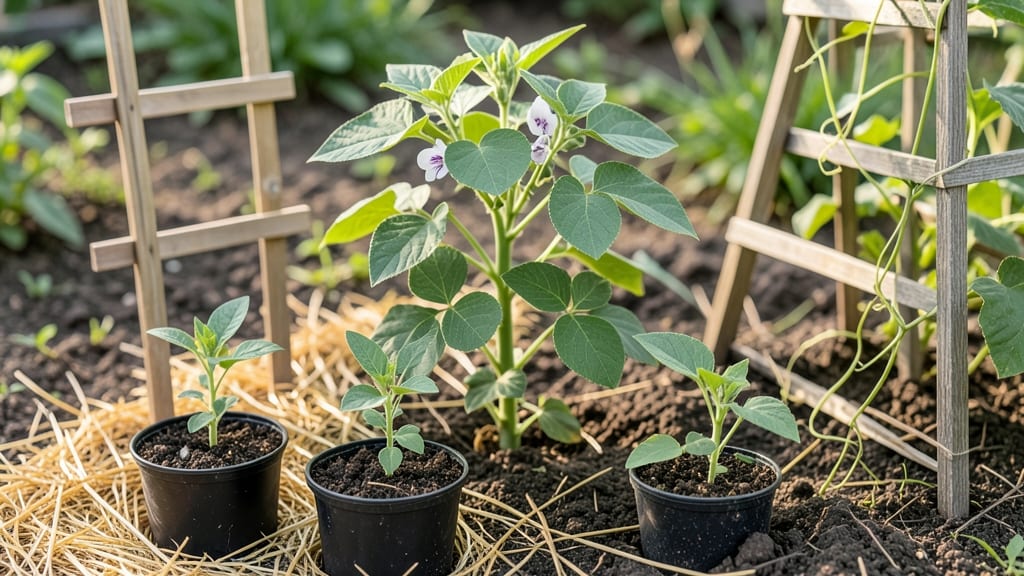
Planting beans in Zone 8 at the wrong time means the difference between a bountiful harvest and a sad, wilted disappointment.
The key isn't just throwing seeds into the dirt—it's understanding when your soil is warm enough, when frost is no longer a threat, and how to stretch your growing season for continuous pods all summer long.
In Zone 8, where winters are mild but springs can be unpredictable, timing matters more than most gardeners realize. You've got two main windows to plant: early spring and late summer.
Get it wrong, and you'll either lose your crop to cold snaps or watch your beans bolt in the heat. Let me show you exactly when to plant for maximum yields—plus how to adjust for your specific microclimate.
I've tested these methods in my own garden, and the results speak for themselves: fresh, homegrown beans from May through October.
Whether you're growing bush beans, pole beans, or heirloom varieties, we'll cover everything you need to know about soil temperatures, frost dates, and succession planting to keep your harvest going strong.
Ready to grow beans that actually thrive? Let's dive into the perfect planting schedule for Zone 8—so you can enjoy crisp, fresh beans straight from your garden all season long.

Optimal planting windows for beans in Zone 8 by variety type
Mastering the planting schedule for beans in Zone 8 means understanding your variety and local microclimates. Unlike cooler zones, Zone 8's long growing season allows for two primary planting windows: spring and late summer.
But timing isn't one-size-fits-all—bush beans, pole beans, and heirloom varieties each have unique needs, especially regarding soil temperature and frost risk. Let's break it down so you can maximize your harvest.
For spring planting, aim to sow seeds 2-3 weeks before your last frost date, typically between mid-March and early April in most of Zone 8. However, soil temperature is the real game-changer—beans need soil temps of at least 60°F (15.5°C) to germinate properly.
In coastal areas, this might mean waiting until late March or April, while inland regions can start earlier. Heirloom varieties often need slightly warmer soil, so monitor closely.
| Variety Type | Spring Planting Window | Soil Temp Requirement | Late Summer Planting | Days to Maturity |
|---|---|---|---|---|
| Bush Beans (e.g., Blue Lake) | March 15 - April 15 | 60°F+ (15.5°C+) | August 1 - September 1 | 50-60 days |
| Pole Beans (e.g., Kentucky Wonder) | April 1 - April 30 | 65°F+ (18°C+) | July 15 - August 15 | 60-75 days |
| Heirloom Beans (e.g., Romano) | April 1 - May 1 | 70°F+ (21°C+) | August 15 - September 10 | 70-85 days |
Pole beans deserve special attention because they thrive in warmer conditions and often need 2-3 extra weeks of soil warmth compared to bush beans. If you're growing Kentucky Wonder or similar varieties, wait until soil temps hit 65°F (18°C)—usually late April in most of Zone 8.
This delay ensures stronger vines and better yields, especially if you're planning to trellis your plants for vertical growth.
Don't overlook the late summer planting window, which is perfect for extending your harvest into fall and early winter in Zone 8. Sow seeds between early August and mid-September, but prioritize heat-tolerant varieties like Black Valentine or Scarlet Runner.
These varieties handle cooler nights better and can produce pods even as temperatures drop toward 50°F (10°C).
For succession planting, stagger your sowings every 2 weeks during the spring window to ensure a continuous supply of fresh beans. This works especially well for bush beans, which mature quickly (50-60 days).
If you're short on space, container gardening is a great option—just use 5-gallon pots for bush beans and larger containers with trellises for pole beans.
One common mistake in Zone 8 is planting too early without checking soil temperature. Cold soil can lead to poor germination or even rot. Use a soil thermometer to confirm readiness—it's a small investment for a big payoff.
If your soil is still too cool, consider black plastic mulch to warm it up faster. This trick works wonders for heirloom varieties, which often need that extra warmth to thrive.
Remember, Zone 8's long growing season gives you flexibility, but precision pays off. By aligning your planting schedule with soil temperature, variety needs, and microclimate conditions, you'll enjoy a bountiful harvest from spring through fall.
Start with the right timing, and your beans will reward you with crisp, flavorful pods all season long.
Pro tip: Keep a gardening journal to track your planting dates, soil temps, and harvest yields. Over time, you'll fine-tune your schedule to match your specific Zone 8 location—whether you're in coastal San Diego, inland Phoenix, or somewhere in between.
How to adjust planting times for Zone 8’s microclimates and heat tolerance
Zone 8’s diverse microclimates—from urban heat islands to high-desert coolness—mean your bean planting schedule can’t be one-size-fits-all. Coastal areas stay cooler longer, while inland valleys can hit 100°F by June, forcing beans to bolt.
Even within your city, a south-facing garden might be 5°F warmer than a shaded spot. The key is adapting your timing based on your specific conditions to avoid heat stress or premature flowering.
For most of Zone 8, the ideal soil temperature for planting beans is 60-65°F. But in high-desert areas like Albuquerque, wait until soil hits 70°F—cooler nights delay germination. Meanwhile, coastal gardeners in Santa Barbara can plant 2-3 weeks earlier than inland areas.
These adjustments prevent your seeds from sitting too cold (rotting) or too hot (drying out before sprouting).
Here’s how to fine-tune your planting for Zone 8’s four key microclimates, plus strategies to beat extreme heat:
- 🌡️ Urban Heat Islands: Plant pole beans in late April (soil at 65°F) and use shade cloth if temps exceed 90°F. Succession plant every 2 weeks until July.
- 🏜️ High-Desert Areas: Wait until May 15 (soil at 70°F) and choose heat-tolerant varieties like ‘Rattlesnake’ or ‘Black Valentine.’ Mulch heavily to retain moisture.
- 🌊 Coastal Regions: Start bush beans in mid-March (soil at 58°F) and extend harvests with fall plantings in September for cooler microclimates.
- ☀️ Extreme Heat Events: If forecasted highs hit 105°F, pause planting and provide afternoon shade for young plants. Resume when temps drop below 95°F.
Succession planting is your secret weapon for continuous harvests in Zone 8. Instead of one big planting, sow bush beans every 2 weeks from April through July. For pole beans, stagger plantings every 3 weeks to ensure a steady supply of fresh pods.
This works especially well in container gardens, where you can rotate pots to optimize sun exposure as seasons shift.
Heat tolerance varies by variety—black beans and pinto beans handle heat better than green snap beans, which bolt quickly when stressed. If your area experiences consistent 90°F+ days, opt for longer-maturing varieties (60+ days) like ‘Blue Lake’ or ‘Kentucky Wonder.’
Pair them with shade-tolerant companions like lettuce or radishes to maximize space and reduce heat stress.
Don’t forget about fall planting—a often-overlooked strategy in Zone 8. Sow heat-resistant varieties like ‘Dragon Tongue’ in late August for harvests in October-November. Use row covers to protect young plants from early frost (which can hit as early as November 1 in some areas).
This extends your harvest by 4-6 weeks and lets you enjoy beans when summer varieties fade.
Pro tip: Monitor your garden’s microclimate shifts with a soil thermometer and shade thermometer. Adjust plantings based on real-time data—if your garden bed hits 85°F by noon, it’s time to switch to shade-tolerant varieties or move containers to cooler spots.
With these adjustments, you’ll turn Zone 8’s challenges into longer harvests and healthier plants—no matter where you garden. 🌱