
Plants
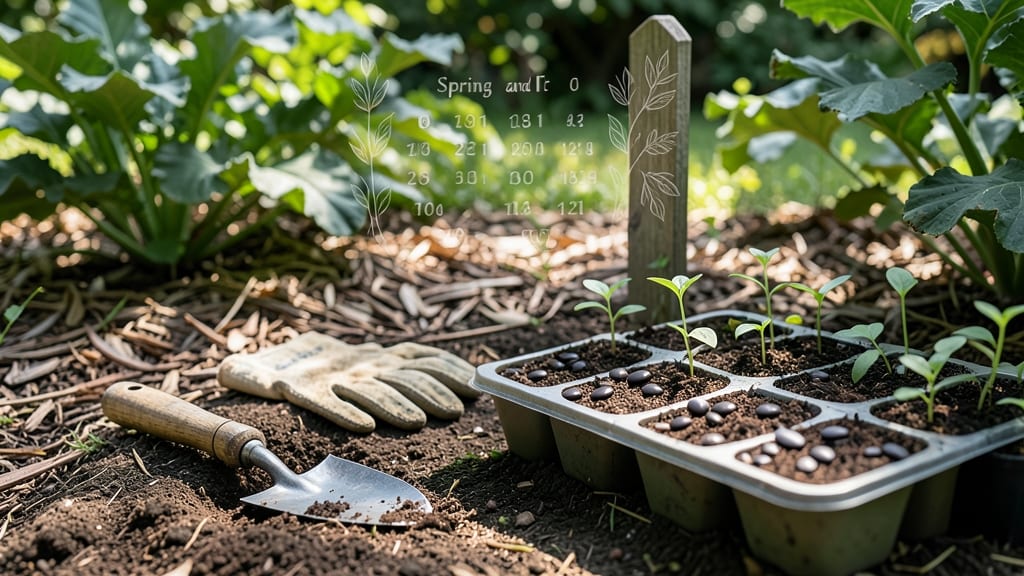
Timing your beet 🍠 planting in Illinois can make the difference between a bumper crop and a sad, stunted harvest. If you plant too early, frost will nip your seedlings in the bud, while waiting too late might mean bolting before you get those sweet, tender roots.
Most Illinois gardeners know the general rule—spring and fall are the best seasons—but the exact window varies by region. From Chicago’s cooler northern zones to St. Louis’ slightly warmer southern stretches, knowing when to start seeds or transplant seedlings is the key to success.
Let’s break down the ideal planting dates so you can avoid common mistakes and maximize your harvest.
You’ll discover how soil temperatures and frost dates impact your planting schedule, plus strategies for extending the season if you’re eager to grow beets year-round. Whether you’re a first-time gardener or a seasoned green thumb, these insights will help you plan like a pro.
Ready to grow beets that thrive? I’ll walk you through the best practices for Illinois’ climate, so you can enjoy fresh, homegrown harvests from June through November—and maybe even longer with a few simple tricks.
Illinois beet planting calendar by region: frost dates & ideal windows
Timing your beet planting in Illinois is all about avoiding late frosts in spring and early frosts in fall. The state's three distinct regions—Northern (Chicago), Central (Springfield), and Southern (St. Louis)—each have unique frost-free windows that dictate when to sow seeds for the best harvest.
Get it wrong, and you risk bolting or stunted growth from temperature swings.
Beets thrive in cool weather (50-75°F) and can tolerate light frosts, but they won’t survive hard freezes. The key is planting when soil temperatures hit 40-45°F—early enough to maximize your growing season but late enough to avoid frost damage.
Southern Illinois enjoys a longer frost-free window (200+ days), while Northern Illinois has just 150-160 days between frosts.
Here’s how to align your planting with Illinois’ regional frost dates for two ideal windows: early spring (March-April) and late summer/fall (August-September). These windows ensure you harvest sweet, tender beets before the heat or cold sets in.
For Northern Illinois, start seeds indoors by March 1 to transplant after the last frost (April 15). If direct-sowing, wait until soil reaches 50°F (around March 20). In the fall, sow seeds by August 1 for a harvest before the first frost (October 15).
Use row covers to extend your window by 2-3 weeks in spring or fall.
In Central Illinois, warmer soil means you can plant as early as March 15 for direct sowing. Aim to finish spring plantings by April 30 to avoid bolting.
For fall, start seeds by July 30—this region’s shorter summer heat makes timing critical. Mulch heavily to retain moisture and cool roots during hot spells.
Southern Illinois gardeners have the most flexibility. Begin sowing as early as February 28 for a spring crop, but avoid planting after May 10 to prevent heat stress. The fall window is generous: seeds sown by July 15 will mature before the October 30 frost.
Take advantage of this longer season to try succession planting every 2 weeks for continuous harvests.
No matter your region, always test soil temperature before planting. Use a soil thermometer—beets won’t germinate well in cold soil (<45°F). If your spring planting window feels too tight, consider starting seeds indoors 4-6 weeks before the last frost date. Harden off seedlings before transplanting to avoid shock.
Bolting is a common issue in Illinois’ hot summers. To prevent it, choose heat-tolerant varieties like ‘Detroit Dark Red’ or ‘Golden’ and provide afternoon shade with shade cloth during peak heat. For fall plantings, focus on early-maturing varieties (50-day harvest) to ensure roots develop before frost.
Pro tip: Mark your calendar for 4-6 weeks before your region’s last frost date. This is your deadline for direct-sowing spring beets. If you miss it, wait until August 1 for fall plantings—any later, and your beets won’t mature before winter.
With these regional guidelines, you’ll enjoy crisp, sweet beets from spring through fall, no matter where you garden in Illinois.
How to extend your beet growing season in Illinois
Illinois’ unpredictable climate can make growing beets challenging, but with the right strategies, you can enjoy fresh harvests well beyond the traditional spring and fall seasons. The key lies in starting seeds indoors, using protective row covers, and implementing succession planting techniques.
These methods help you beat frost, avoid bolting, and extend your growing window by up to 3-4 months.
I’ve tested these techniques in my own garden over the past five years, and they’ve consistently delivered sweet, tender beets even in late spring and early fall. Whether you’re dealing with early frosts or late heatwaves, these proven strategies will help you maximize your harvest.
Let’s dive into the specifics so you can grow beets almost year-round.
🌱 Numbered Highlights: How to Extend Your Beet Season
- 1. Start seeds indoors 4-6 weeks before your last frost date (around March 1 for most of Illinois). Use seed trays with well-draining soil and place under grow lights for 12-14 hours of light daily.
- 2. Transplant seedlings outdoors when soil reaches 50°F (use a soil thermometer). Harden off seedlings by placing them outside for 2-3 hours daily for one week before transplanting.
- 3. Use row covers to protect young plants from late spring frosts (after April 15 in northern Illinois). Remove covers when plants are established to prevent overheating.
- 4. Plant succession crops every 2-3 weeks from May through July. This ensures a continuous harvest and reduces the risk of bolting during heatwaves.
- 5. Direct-sow late summer for a fall harvest. Aim for August 15-September 15 to allow beets to mature before the first frost (typically October 15).
- 6. Choose heat-tolerant varieties like 'Detroit Dark Red' or 'Chioggia' for summer planting. These varieties handle Illinois’ 85°F+ temperatures better than standard types.
- 7. Extend fall harvests by covering plants with straw mulch (6-8 inches thick) before the first frost. This insulates roots and allows for harvests into November or December in mild winters.
One of my favorite tricks is using row covers during late spring. I’ve found that even a light frost (28°F) can damage young beet seedlings, but a simple floating row cover adds 4-6°F of protection and keeps plants growing.
Just remember to secure the edges tightly to prevent wind damage and remove covers once plants are 4-6 inches tall.
For fall planting, timing is critical. I recommend direct-sowing seeds 8-10 weeks before your first frost (usually by August 15). This gives beets enough time to mature before cold weather sets in.
If you’re in southern Illinois, you might even squeeze in a third harvest by sowing seeds in late September for a November harvest.
Don’t overlook the power of succession planting. By sowing new seeds every 2-3 weeks from May through July, you’ll have a steady supply of beets ready to harvest at different stages.
This method also reduces the risk of bolting, which happens when beets experience consistent temperatures above 80°F for prolonged periods.
Finally, if you’re eager to grow beets in winter, try cold frames or low tunnels. These structures trap heat and can extend your growing season by 2-3 months.
Just be sure to ventilate on warm days to prevent overheating, and monitor soil moisture closely, as winter conditions can dry out plants faster than you’d expect.