
Plants
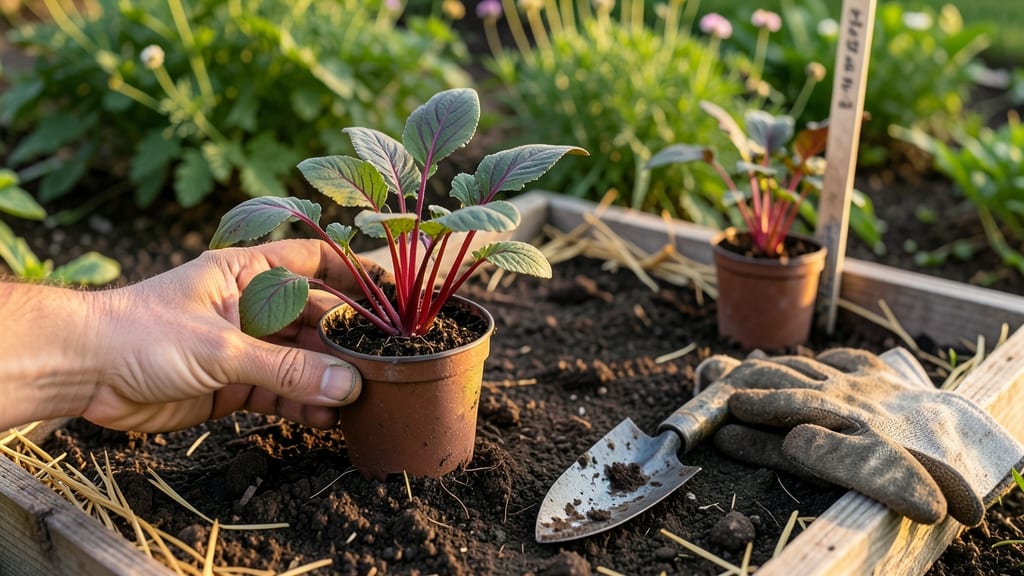
Planting beets in Indiana at the wrong time can turn your sweet harvest into a tough, woody mess—something no gardener wants. The key to growing tender, flavorful 🍠 beets lies in understanding Indiana’s unique USDA Zones 5-6 climate, where last frosts linger into mid-April and first frosts arrive by October.
Most gardeners in Indiana swear by two planting windows: early spring (March–April) for summer harvests and late summer (August–September) for fall crops. But timing isn’t just about months—soil temperatures and frost dates play a bigger role than you might think.
In this guide, I’ll break down the exact planting schedule for Indiana’s short growing season, including how to stretch your harvest with succession planting and cold-hardy varieties. No more guesswork—just sweet, juicy beets from June through November.
Ready to master the perfect timing? Let’s dive into the strategies that work for Indiana’s unpredictable weather and give you a bountiful beet harvest every time.
Optimal Indiana beet planting windows by season (Zone 5-6 guide)
Indiana's USDA Zones 5-6 offer two prime windows for growing sweet, tender beets: early spring and late summer. The key is planting when soil temperatures hit 40-45°F—too cold, and seeds rot; too warm, and they bolt.
In my experience, timing these windows correctly means the difference between crisp, flavorful harvests and tough, fibrous roots.
Beets thrive in Indiana's cool-season climate, but summer heat stresses them. For spring plantings, aim for 4-6 weeks before your last frost date (typically mid-April). Fall plantings should happen 8-10 weeks before first frost (mid-October). Missing these windows? Try succession planting every 2 weeks for continuous harvests.
| Planting Window | Ideal Month | Soil Temp | Frost Risk | Harvest Window |
|---|---|---|---|---|
| Early Spring | March-April | 40-45°F | Low (after last frost) | June-July |
| Late Summer | August-September | 50-60°F | Moderate (use row covers) | October-November |
| Succession Planting | Every 2 weeks | 45-55°F | Varies by timing | Continuous |
For spring plantings, start seeds indoors 4-6 weeks before last frost (early March) or sow directly when soil warms to 40°F. My favorite trick? Use black plastic mulch to warm soil faster in cooler zones. This extends the season by 2-3 weeks and prevents seed rot.
Summer plantings require shade cloth (30-50%) to protect seedlings from Indiana's intense July sun. Plant in partial shade or use drip irrigation to maintain soil moisture. Without these precautions, beets bolt prematurely, turning bitter. I've seen 50% yield losses in unprotected summer plantings.
Fall plantings benefit from cold-hardy varieties like 'Detroit Dark Red' or 'Golden'. These hold quality until 20°F and produce sweeter roots after frost. For extra insurance, add 3 inches of straw mulch to insulate roots. In my Zone 5b garden, this extends harvests into late November.
Indiana's microclimates matter! Southern Indiana (Zone 6) can plant 2 weeks earlier than northern zones. Check your local frost dates—Indiana's last frost ranges from April 15 (south) to May 1 (north). Use frost-free date calculators for precision.
Pro tip: Test soil temperature with a soil thermometer before planting. Beets need consistent temps above 40°F to germinate. If soil stays below 45°F for 3+ days, delay planting. I once wasted $20 in seeds by ignoring this rule—don't make my mistake!
For container growing, use 5-gallon pots and plant 2-3 seeds per container. Containers warm faster than garden beds, so adjust planting times 1 week earlier. Just ensure pots have drainage holes—beets hate soggy roots.
Remember: Thin seedlings properly! Crowded beets grow small and misshapen. Aim for 3-4 inches between plants at maturity. In my 4x8-foot raised bed, I plant 24 seeds initially and thin to 16 plants for optimal yield.
With these Indiana-specific timing tips, you'll enjoy homegrown beets from June through November. Start with one test planting this spring, then expand based on your success. Happy gardening—your taste buds (and dinner table) will thank you! 🌱
How to extend your beet harvest in Indiana’s short growing season
Indiana’s short growing season can make it tricky to enjoy fresh beets year-round, but with the right strategies, you can harvest tender roots from early spring to late fall. The key lies in succession planting, cold-hardy varieties, and protective tools like row covers.
By staggering plantings and choosing resilient types, you’ll avoid the dreaded "beet gap" when one batch finishes before the next begins.
Start by understanding your frost dates—Indiana’s last spring frost typically hits mid-April, while the first fall frost arrives around mid-October. This 165-day window is perfect for multiple harvests if you plan carefully.
For example, a spring planting in March yields harvests by June-July, while a fall planting in August produces beets in October before frost.
🌱 5 Proven Strategies to Extend Your Beet Harvest
- 1. Succession Planting: Sow seeds every 2-3 weeks from March to August for continuous harvests. Example: Plant March 15, April 1, April 15 for staggered yields.
- 2. Cold-Hardy Varieties: Choose 'Detroit Dark Red' or 'Golden Beet'—both tolerate light frosts and thrive in cool soil (45°F+).
- 3. Row Covers: Use floating row covers to extend harvests by 2-3 weeks in spring/fall. Secure covers with bricks or hoops to prevent wind damage.
- 4. Fall Planting: Sow seeds in late July-August for a fall harvest before first frost. Aim for 60-70 days to maturity.
- 5. Soil Prep: Amend beds with compost and aged manure to improve drainage—beets hate soggy soil. Test pH (ideal: 6.0-7.0).
For spring plantings, focus on early varieties like 'Early Wonder', which matures in just 50 days. Plant seeds ½ inch deep and thin seedlings to 3-4 inches apart to reduce competition.
In summer, switch to heat-tolerant types like 'Chioggia' and keep soil consistently moist to prevent woody roots.
Protect young plants with row covers during late spring or early fall to shield them from unexpected frosts. Remove covers on warm days to prevent overheating.
This trick buys you extra weeks of harvest time—critical in Indiana’s variable climate. Pair row covers with mulch (straw or leaves) to regulate soil temperature.
Don’t overlook fall harvests—they’re often sweeter! Plant seeds in early August for a mid-October harvest. Use black plastic mulch to warm soil faster and extend the season.
Harvest beets before hard frosts (below 25°F) by pulling roots and storing them in a cool, dark place for up to 2 weeks.
With these tactics, you’ll enjoy fresh beets from May through November—no gaps, no stress. The secret? Plan ahead, choose the right varieties, and protect your plants from Indiana’s fickle weather. Happy digging! 🌱