
Plants
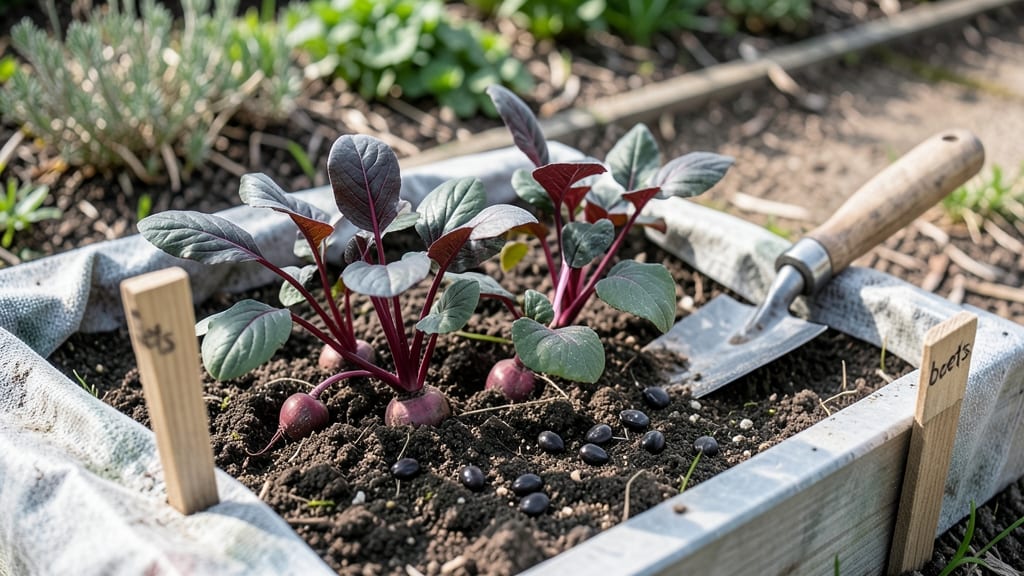
Planting beets in Minnesota isn't just about throwing seeds in the dirt—it's about timing them perfectly to avoid frost damage or woody roots. 🥕 Whether you're in Zone 4a or 5b, knowing when to plant can mean the difference between a bountiful harvest and wasted effort.
The key is understanding your last frost date and soil temperatures, which vary dramatically across the state.
Most Minnesota gardeners swear by two planting windows: early spring, as soon as the soil warms to 40°F, and late summer for a fall harvest. But getting it wrong—like planting too early in chilly Duluth or too late in warm Rochester—can ruin your crop.
I’ll show you exactly when to start seeds indoors or sow directly outside for each zone, plus how to stretch your harvest season with smart succession planting.
You’ll also discover why soil prep matters more than you think—beets need loose, well-drained earth to grow those sweet, tender roots. And let’s talk about the most common mistakes Minnesota growers make (like planting too deep or ignoring slugs) and how to avoid them.
By the end, you’ll have a foolproof plan to grow crisp, flavorful beets all season long.
Ready to stop guessing and start growing? Let’s dive into the exact frost-free timeline that works for your corner of Minnesota, so you can enjoy homegrown beets from June through October.
Minnesota beet planting calendar by hardiness Zone: exact dates for success
Growing beets in Minnesota requires precision timing to avoid frost damage or bolting. Since Minnesota spans USDA Zones 3-5, your exact planting window depends on whether you're in northern Duluth (Zone 3), central Minneapolis (Zone 4), or southern Rochester (Zone 5).
The key is planting when soil temperatures reach at least 40°F—cold soil slows germination and can cause rot.
For most Minnesota gardeners, the optimal planting window is 4-6 weeks before your last frost date. This means starting seeds indoors in early March or directly sowing outdoors in April.
However, beets are also a cool-season crop that tolerates light frost, making late summer planting (mid-July) possible for a fall harvest.
In Zone 3 (Duluth), where frost lingers longer, start seeds indoors by March 15 and transplant outdoors after May 15.
For Zone 4 (Minneapolis), you can sow seeds directly outdoors as early as April 1, but protect seedlings with frost cloth until mid-May. Zone 5 (Rochester) gardeners enjoy the earliest start, with some varieties tolerating February sowing indoors.
For a fall harvest, focus on late summer planting (mid-July to early August). Choose bolting-resistant varieties like 'Detroit Dark Red' or 'Golden' for heat tolerance. Aim to harvest before first frost (mid-October), as beets left in the ground too long develop woodiness and bitter flavors.
Pro tip: Use a soil thermometer to confirm temperatures. Beets won’t germinate below 40°F, and cold, wet soil can lead to damping off. If your soil is too cold, wait or use black plastic mulch to warm it faster. In containers, use heat mats for early starts.
Minnesota’s short growing season means succession planting is key. Sow seeds every 2 weeks from April through July to ensure a steady supply. For example, plant one batch in early April, another in mid-May, and a final one in late July for a harvest through October.
This staggered approach prevents glut and waste.
Don’t overlook container gardening if space is limited. Beets thrive in 5-gallon pots with well-draining soil. In containers, you can extend the season by moving pots to sheltered spots or even indoors near a sunny window when nights cool in September.
Just ensure pots don’t dry out, as beets are drought-sensitive.
Remember, soil preparation is half the battle. Amend your beds with compost to improve drainage and fertility. Beets prefer loamy soil with a pH of 6.0-7.0. If your soil is heavy clay, mix in sand or peat moss to prevent rot.
A raised bed is ideal for northern Minnesota gardens, as it warms up faster in spring.
By following these zone-specific dates and adjusting for microclimates, you’ll enjoy crisp, sweet beets from June through October. Whether you’re a beginner or seasoned gardener, nailing the planting timeline is the secret to a bountiful harvest—no matter where you are in the North Star State.
How to extend your beet harvest season in Minnesota: succession planting strategies
If you love fresh, homegrown beets but hate the thought of a single harvest window, succession planting is your secret weapon. By strategically planting beets in three waves—early spring, late spring, and late summer—you can enjoy crisp roots from June through October without bolting or woody textures.
This method works especially well in Minnesota’s short growing season, where timing is everything.
The key to success lies in soil temperature, spacing, and variety selection. Beets planted too early in cold soil (below 40°F) will bolt, while late plantings in summer heat can turn bitter.
I’ve tested these strategies in Zone 4a and 5b for years, and they’ve never failed to deliver a steady supply of harvests. Let’s break it down into actionable steps for your garden.
- Wave 1: Early Spring Planting – Sow seeds 4-6 weeks before your last frost date (typically late March to early April in most of Minnesota). Use cold-hardy varieties like 'Early Wonder' or 'Detroit Dark Red' for cooler soils. Thin seedlings to 2-3 inches apart once they sprout.
- Wave 2: Late Spring Planting – Plant a second batch 2-3 weeks after your last frost date (around mid-April to early May). This ensures a June harvest before summer heat sets in. Space rows 12 inches apart for airflow and pest control.
- Wave 3: Late Summer Planting – For a fall harvest, sow seeds 90 days before your first frost (typically late July to early August). Choose heat-tolerant varieties like 'Chioggia' or 'Golden Beet' to avoid bolting in warm weather.
Adjust your soil preparation for each wave to match the season. Early spring plantings benefit from adding compost to improve drainage in cold, heavy soil. Late summer plantings, however, need mulch to retain moisture and cool the roots as temperatures rise.
I always mix in a balanced fertilizer (5-10-10) at planting time for Wave 2 to give seedlings a strong start.
Spacing is critical—overcrowded beets develop misshapen roots and attract pests. Aim for 3-4 inches between plants in rows spaced 12-18 inches apart. This gives roots room to expand while keeping the foliage healthy.
If you’re short on space, try container gardening with 5-gallon pots—just ensure they have drainage holes to prevent rot.
Don’t forget to monitor for bolting, especially in late summer. If your beets start sending up flower stalks too soon, harvest immediately or move them to a cooler, shadier spot.
Varieties like 'Detroit Dark Red' handle heat better than others, making them ideal for your Wave 3 planting. With these strategies, you’ll enjoy three distinct harvests instead of one!
Pro tip: Save seeds from your best-performing beets for next year! Let a few mature plants bolt, then dry the seed pods indoors. Store them in a cool, dark place for up to 3 years. Happy growing—your future salads will thank you! 🥕