
Plants
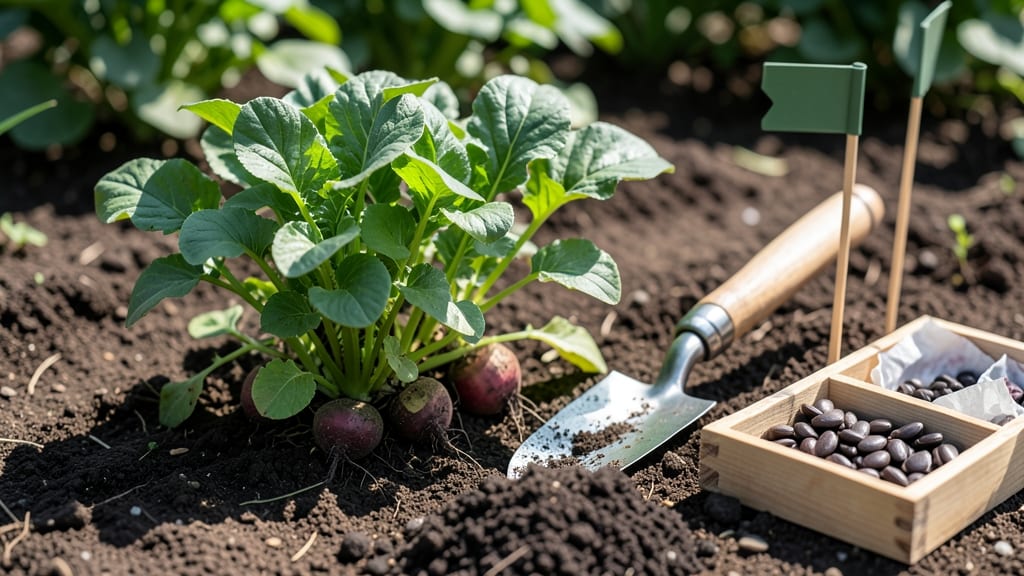
Timing your beet planting in Seattle can make the difference between a sweet harvest and a bitter disappointment—especially when those unpredictable frosts sneak in.
The key to growing perfect 🍠 beets all season lies in knowing exactly when to sow seeds, whether you're aiming for spring's tender roots or fall's hardy storage crops.
Seattle's mild winters and rainy springs mean you've got two prime windows: March-April for spring beets and August-September for fall varieties. But here's the catch—plant too early, and frost will nip your seedlings; too late, and your beets might bolt before you even get a chance to harvest.
I'll show you how to nail those frost dates and avoid the most common mistakes.
What if I told you that succession planting could give you beets from June through December? The secret is simple: stagger your plantings every 3-4 weeks after your last frost date.
Whether you're starting seeds indoors or sowing directly in garden beds, I'll walk you through the exact steps to keep your beet supply fresh all season.
From choosing the right varieties for Seattle's cool climate to adjusting for microclimates in your neighborhood, this guide covers everything you need to grow bolting-free beets that taste as good as they look. Let's get those seeds in the ground the right way—no guesswork, just perfect harvests.
Seattle’s frost dates and best beet planting windows
Seattle’s cool, wet climate makes timing critical for growing sweet, tender beets. With last spring frost around April 15 and first fall frost near October 15, you’ve got a 165-day frost-free window—perfect for two beet harvests.
Plant too early, and frosts zap seedlings. Too late, and summer heat triggers bolting (flowering). Let’s nail your planting windows.
For spring beets, start seeds indoors 4-6 weeks before last frost (mid-February to early March) or sow directly 2-3 weeks after last frost (early April). This gives roots time to mature before summer heat sets in.
Fall plantings should begin 8-10 weeks before first frost (mid-August to early September) for a harvest before winter.
Here’s your Seattle beet planting timeline broken down by season, with frost dates and ideal windows to avoid bolting or frost damage.
Pro tip: Use row covers for early spring plantings to protect seedlings from late frosts. In microclimates (like urban heat islands), you can extend spring sowings by 1-2 weeks—just monitor soil temps with a probe.
Bolting is your biggest enemy in Seattle’s mild summers. To prevent it, choose shade-tolerant varieties like Detroit Dark Red and avoid planting after June 15. For fall crops, focus on slow-maturing varieties (60+ days) to harvest before frost.
Seattle’s acidic soil (pH 5.5-6.5) also affects beet growth. Amend beds with compost or lime to reach pH 6.5-7.0 for optimal root development. Test soil before planting—home kits cost $10 and save you from bitter, woody beets.
For container growing, use deep pots (12"+) and plant 2-3 seeds per container. Containers warm faster in spring, so start them 1 week later than in-ground plantings. Mulch with straw or wood chips to retain moisture and regulate soil temps.
Remember: Thin seedlings to 3-4 inches apart when they’re 2 inches tall. Crowded beets grow small and misshapen. Use scissors to avoid disturbing roots—no pulling! 🌱
With these frost-date secrets, you’ll grow sweet, tender beets twice a year in Seattle. Start with spring sowings, then plan your fall succession while summer crops are still growing. Happy planting! 🌿
How to time beet successions for continuous harvests
Seattle’s cool, wet climate demands a strategic approach to beet succession planting. By staggering sowings every 3-4 weeks, you’ll enjoy fresh, tender beets from early summer through fall—without the risk of bolting from heat or frost.
The key lies in monitoring soil temperatures and aligning plantings with Seattle’s unpredictable frost dates.
Beets thrive when soil temperatures reach 45°F (7°C), which typically occurs in late March. However, Seattle’s Pacific Northwest microclimates can delay warming in sheltered areas.
For reliable successions, start your first sowing when daytime temps consistently hit 50°F (10°C)—usually around mid-April—and repeat every 21-28 days until early August.
🌱 Seattle Beet Succession Planting Schedule
- 1 First Sowing: Mid-April (soil temp 45°F+)
- 2 Successive Sowings: Every 3-4 weeks until early August
- 3 Seed Depth: ½ inch deep, 1-2 inches apart
- 4 Thinning: To 3-4 inches apart when seedlings are 2 inches tall
- 5 Fall Extension: Final sowing in late July for fall harvest
For Seattle gardeners, soil temperature is more critical than calendar dates. Use a soil thermometer to confirm readiness—beets won’t germinate well in cold soil (40°F/4°C). In sheltered microclimates (like urban gardens), you might start sowings 2 weeks earlier than exposed areas.
Always plant in well-draining soil amended with compost to prevent woody roots.
Spacing is another harvest game-changer. Sow seeds 1-2 inches apart in rows 12-18 inches apart to allow for thinning. When seedlings reach 2 inches tall, thin to 3-4 inches apart—this reduces competition and produces larger, sweeter roots.
In Seattle’s cool summers, beets grow slower, so avoid overcrowding.
Extend your harvest into fall by sowing a final succession in late July. Choose cold-hardy varieties like Detroit Dark Red or Chioggia, which tolerate light frosts. Mulch heavily with straw to insulate roots and protect against early October frosts.
With this schedule, you’ll harvest beets from June through November—long after most gardeners have given up!
Pro tip: Mark your succession dates on a garden calendar and adjust based on actual soil temps, not just the weather forecast. Seattle’s marine climate can delay warming, so flexibility is key. Happy planting—your future salads will thank you! 🌱