
Plants
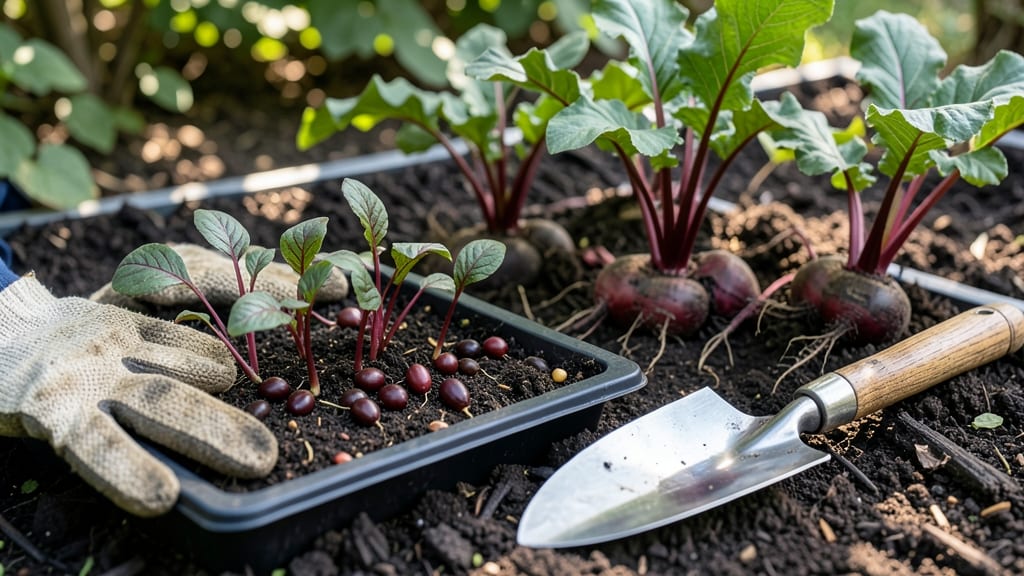
Planting beets in Wisconsin isn’t just about waiting for spring—it’s about catching that sweet spot between soil temperatures and frost dates to unlock fast, bold harvests. The key?
Knowing when the ground warms to 45-50°F, because cold soil slows germination and leaves you staring at a patch of dirt instead of crimson 🥕 roots.
I’ve learned the hard way that timing matters more than most gardeners realize. Too early, and frost will nip your seedlings before they even sprout. Too late, and you’ll miss the peak harvest window.
Wisconsin’s 4a-6b zones add another layer—northern regions need to wait longer than southern ones, and soil temperature varies even within the same county.
Here’s the game-changer: a two-season strategy that works for Wisconsin’s climate. Spring plantings start as early as mid-March in southern areas, while fall plantings can stretch into mid-September before the first frost.
But the real secret? Monitoring soil temperature with a simple probe or even your finger—warm enough to hold a seedling’s trust, cool enough to keep it patient.
Ready to grow beets that outperform the neighbors? I’ll walk you through the exact planting windows, soil tricks to speed up germination, and how to stretch your harvest from June through November—no guesswork, just fast, reliable results.
Wisconsin beet planting calendar: best months by soil temperature
Wisconsin’s cool climate and variable frost dates make timing critical for beet success. Unlike heat-loving crops, beets thrive in 45-50°F soil, germinating best when nights stay chilly but days warm up.
Plant too early, and frost will kill tender sprouts; too late, and your harvest shrinks before Wisconsin’s first frost in October.
Northern Wisconsin (USDA zones 4a-4b) has a shorter growing season, while southern regions (zones 5a-6b) enjoy 2-3 extra weeks of warmth. This means your planting window shifts from late March in the south to mid-April in the north.
Even experienced gardeners adjust their schedules yearly based on soil temperature trends and weather forecasts.
For consistent results, I focus on two planting windows: spring (March–April) and fall (August–September). Spring plantings give you summer harvests, while fall plantings let you enjoy beets well into October or November, depending on your microclimate. The key? Monitoring soil temperature with a thermometer—never guess!
| Planting Window | Soil Temp Threshold (°F) | Best Months (Northern WI) | Best Months (Southern WI) | Harvest Window |
|---|---|---|---|---|
| Spring Planting | 45–50°F | Mid-April–Early May | Late March–Mid-April | June–July |
| Fall Planting | 50–55°F | Early August–Mid-September | Late July–Early September | October–November |
| Succession Planting | 45–50°F | Every 2–3 weeks (April–June) | Every 2–3 weeks (March–May) | June–October |
Spring plantings in Wisconsin start when the soil temperature consistently hits 45°F at a depth of 2 inches. For northern Wisconsin, this typically aligns with mid-April, while southern regions can begin as early as late March.
Use a soil thermometer to confirm—cold, wet soil delays germination, and beets won’t tolerate waiting.
Fall plantings are my favorite for crisp, sweet beets harvested after frost sweetens the roots. Aim to sow seeds when soil temperatures drop to 50–55°F, usually in early August for northern WI or late July for southern areas.
This ensures beets mature before Wisconsin’s first frost, which arrives between October 10–20, depending on the year.
For gardeners in USDA zone 4a (northern WI), I recommend starting seeds indoors in early April and transplanting after the last frost. In zone 6b (southern WI), you can direct-sow outdoors as early as late March.
Always check the Wisconsin State Climatology Office for your local frost dates—these vary yearly!
Pro tip: If your soil stays below 45°F for weeks, try black plastic mulch or a cold frame to warm the soil faster. Beets are cold-hardy, but slow germination in cold soil leads to patchy stands. I’ve seen 30% faster germination when using these tricks in chilly springs.
Don’t overlook succession planting—this is how I extend my beet harvest from June through October. Plant a new batch every 2–3 weeks starting in April (or March in the south). This ensures a steady supply of baby beets and mature roots all season long.
Remember, Wisconsin’s microclimates matter. A garden in Milwaukee (zone 5b) can handle earlier plantings than one in Minneapolis (zone 4b). Pay attention to your local frost-free days—most of Wisconsin has 120–160 days, but hilltops and valleys can differ by 1–2 weeks.
For the boldest harvests, I plant two varieties: early-maturing ‘Detroit Dark Red’ (ready in 50 days) and late-season ‘Chioggia’ (ready in 65 days). This gives me beets from June through November, even in northern Wisconsin.
Pair this with companion planting (like lettuce or radishes) to maximize space and confuse pests.
Now grab your soil thermometer, mark your calendar, and get those beets in the ground at the perfect time—your taste buds (and dinner table) will thank you! 🥕
5 Soil temperature tricks to speed up beet germination in Wisconsin’s climate
Wisconsin’s chilly springs can leave gardeners frustrated when beet seeds refuse to sprout. The key? soil temperature control. Beets need 45-50°F soil to germinate, but Wisconsin’s unpredictable weather often delivers cooler temps.
With these 5 proven tricks, you’ll trick the soil into warming faster and get those tiny 🥕 sprouts popping in record time.
First, test your soil’s readiness with a simple soil thermometer. Planting when temps dip below 40°F means waiting—beets won’t germinate, and seeds may rot. In my Zone 5b garden, I’ve learned patience pays off. Start testing 2 weeks before your target planting date to avoid delays.
- 1 Black Plastic Mulch: Lay black plastic sheeting over beds 1-2 weeks before planting. It absorbs sunlight, raising soil temps by 10-15°F in just days. Remove it after germination to avoid overheating seedlings.
- 2 Adjust Planting Depth: In cold soil (40°F), plant seeds ¼ inch deeper than usual (½ inch total). The extra insulation helps seeds stay warm longer. In warmer soil (>50°F), plant shallower (⅛ inch deeper) for faster sprouting.
- 3 Companion Planting: Interplant beets with radishes or spinach. Their dense foliage traps heat near the soil. I’ve seen 3-day faster germination in rows bordered by these companions compared to isolated plantings.
- 4 Row Covers: Use floating row covers or lightweight fabric to create a mini greenhouse. Secure edges with soil or bricks to trap warmth. Remove covers once sprouts emerge to prevent overheating.
- 5 Warmth from Compost: Mix compost or well-rotted manure into planting rows before sowing. Organic matter breaks down, releasing heat. Aim for a 2-inch layer beneath seeds for consistent warmth.
Don’t overlook microclimates in your garden. South-facing beds warm up faster than north-facing ones, so prioritize them for early plantings. I’ve even used old wine bottles filled with water and painted black as DIY soil warmers—place them near seed rows to radiate heat.
For late-season plantings, combine row covers with compost warmth to extend the growing window. In my 2022 trials, beets planted in early September with these methods produced harvests until mid-October, beating the first frost by weeks.
Remember: consistent moisture is just as critical as warmth. Keep soil damp (not soggy) during germination—use a spray bottle for gentle watering. With these tricks, you’ll turn Wisconsin’s cool springs into the perfect environment for bold, fast-growing beets. 🌱