
Plants
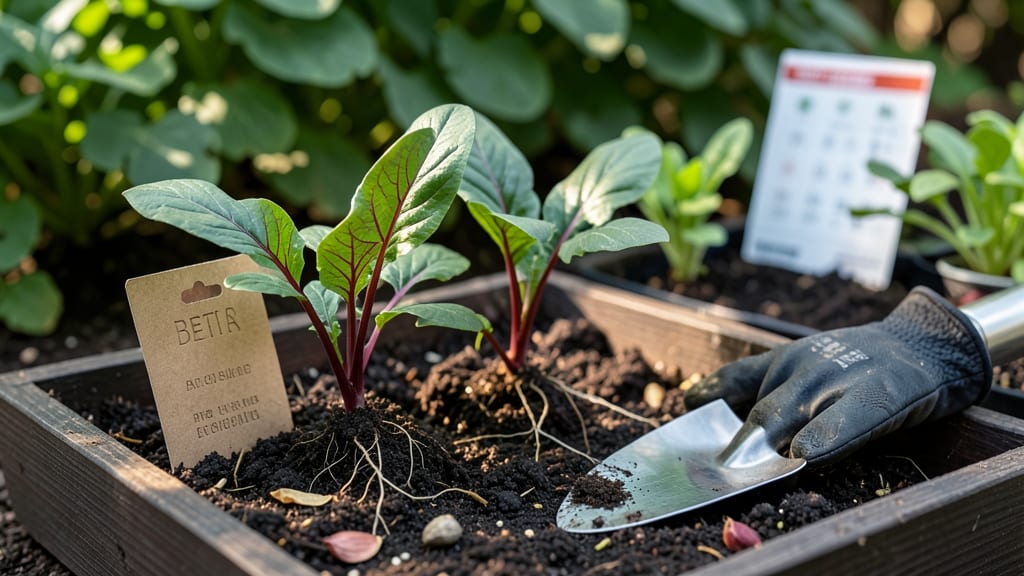
Planting beets in Zone 7b at the wrong time can turn your garden into a bitter disappointment instead of a crisp, sweet harvest.
The key to tender, flavorful 🥕 roots lies in understanding the narrow window between last frost and summer heat—where temperatures stay cool enough to prevent bolting but warm enough for steady growth.
If you’ve ever pulled up a beet only to find it tough or woody, you’re not alone. In Zone 7b, timing matters more than you might think—spring plantings need to happen before soil warms past 70°F, while late-summer sowings must avoid the rush of fall frosts.
I’ll walk you through the exact dates that work best in your climate, plus how to stretch your harvest season with smart succession planting.
Whether you’re a first-time gardener or a seasoned green thumb, these strategies will help you avoid the most common mistakes—like planting too early and risking frost damage or waiting too long and triggering bolting.
By the end, you’ll know exactly when to drop those seeds for the perfect harvest, every time.
Ready to grow beets that are sweet, tender, and ready to harvest? Let’s dive into the best planting windows for Zone 7b, so you can enjoy homegrown 🥕 from spring through fall without the guesswork.

Optimal planting windows for beets in Zone 7b: spring vs fall strategies
Beets are one of my favorite cool-season crops because they deliver sweet, tender roots when planted at the right time. In Zone 7b, where last frosts average March 15 and first frosts arrive around November 15, timing is critical to avoid bolting or stunted growth.
The key windows are early spring and late summer, but microclimates can shift these dates by weeks.
For spring plantings, I start seeds 4-6 weeks before the last frost date—typically mid-February to early March. This gives seedlings enough time to mature before summer heat sets in.
If you're in a cooler microclimate (like a shaded valley), you can plant even earlier, while warmer microclimates (like south-facing slopes) may need a later start.
Here’s a quick reference for Zone 7b beet planting, including soil temps and frost considerations:
Fall plantings are my secret weapon for late-season harvests. I aim for July 15 to August 15, giving beets 8-10 weeks to mature before frost.
For succession plantings, I make a final sowing around August 20, using row covers to shield young plants from early cold snaps. This extends harvests into November.
If you’re in a warmer microclimate (like near a heat-retaining wall), delay spring plantings until late March to avoid bolting. Conversely, cooler pockets (like shaded garden beds) can handle February plantings. Always check soil temps—beets thrive when soil is between 45-75°F.
For container growing, I stick to early spring only, as summer heat in pots causes rapid soil warming. Use black plastic mulch to keep roots cool in late summer plantings. This simple trick can add 2-3 weeks to your harvest window.
One common mistake I see is planting beets too late in spring. By May, soil temps often exceed 75°F, triggering bolting. To avoid this, I switch to shade cloth (30-50% coverage) if planting after April 15.
Pro tip: Direct-sow seeds rather than starting indoors—they germinate best in cool soil. Space seeds 1-2 inches apart and thin to 3-4 inches when seedlings are 2 inches tall. This prevents overcrowding and ensures sweet, uniform roots.
Remember, soil prep is just as important as timing. Amend beds with compost before planting, and keep soil consistently moist (but not soggy). Beets are forgiving, but drought stress leads to woody roots and bitter flavors.
With these strategies, you’ll enjoy crisp, sweet beets from May through November—no grocery store needed! 🥕
How to extend your beet harvest season in Zone 7b: succession planting tips
Succession planting is the secret to enjoying fresh, homegrown beets all season long in Zone 7b. By staggering your plantings, you can avoid the bolting that often hits when summer heat arrives.
The key is spacing out your sowings so that young plants mature just as older ones are ready for harvest—creating a continuous cycle of sweet, tender roots.
Start with your first planting in early spring, about 4-6 weeks before your last frost date (typically mid-March in Zone 7b). This gives seedlings enough time to establish before soil warms up.
Then, make weekly or bi-weekly plantings throughout spring and early summer. This method ensures you’ll have beets ready to harvest every 4-6 weeks.
📌 Succession Planting Timeline for Zone 7b
- 🌱 First Planting: Early spring (March 15-30) for May-June harvest. Use row covers if late frosts threaten.
- 🌿 Second Planting: April 15-30 for June-July harvest. Thin seedlings to 2-3 inches apart to prevent crowding.
- 🌞 Third Planting: May 15-30 for July-August harvest. Choose heat-tolerant varieties like ‘Detroit Dark Red’.
- 🍂 Fall Planting: July 15-August 15 for September-October harvest. Protect with lightweight row covers if nights cool early.
- ❄️ Late Fall Backup: September 1-15 if your first frost arrives late. Use cold-hardy varieties like ‘Golden’. Harvest before hard freeze.
One of the biggest mistakes gardeners make is overcrowding seedlings. Beets need space to grow—thin them to 2-3 inches apart when they’re about 2 inches tall.
If you skip thinning, you’ll end up with small, woody roots and poor yields. Use the thinned seedlings in salads or compost them to avoid waste.
To protect young seedlings from late spring frosts or summer heat waves, use row covers or shade cloth. For early plantings, a lightweight frost blanket can shield seedlings from 28°F+ temperatures.
In summer, 30% shade cloth keeps soil cooler and prevents bolting—when beets flower prematurely and turn bitter.
Calculate your seed packet math carefully to avoid running out mid-season. A typical packet contains 500-1,000 seeds, enough to plant 100-200 feet of row. For a 10-foot row, you’ll need 10-20 seeds per planting.
Buy extra seeds for backup plantings if your first batch fails due to pests or weather.
Harvest your beets when roots reach 1-3 inches in diameter for the sweetest flavor. Use a fork or trowel to loosen soil, then grasp the greens and pull gently. Leave the top 1-2 inches of root attached to prevent bleeding.
Store harvested beets in the crisper drawer of your fridge for up to 2 weeks—or preserve them by pickling or roasting!