
Plants
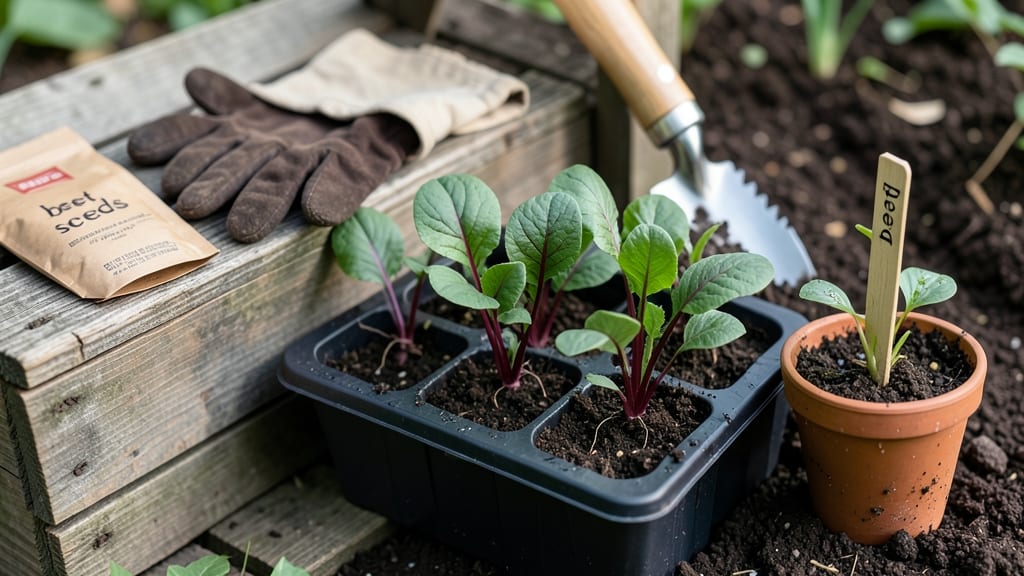
Timing your beet planting in Zone 8b can make the difference between sweet, tender roots and bitter, tough harvests—so getting it right is key.
Unlike some crops, beets love cool weather and struggle when temperatures climb. In Zone 8b, where winters are mild and summers linger, planting too early risks bolting, while waiting too late can lead to woody roots.
The secret? Two prime windows: spring and fall, each with its own ideal schedule.
For spring plantings, aim for March to April when soil temperatures hover around 50-60°F. Fall crops thrive when seeded August to September, giving roots time to mature before the first frost. With these exact weeks before frost, you’ll ensure crisp, flavorful beets every time.
Ready to master the timing? I’ll walk you through the best planting strategies, soil prep tips, and how to adjust for Zone 8b’s unique climate—so you can enjoy a steady harvest from June to December.

Best planting windows for beets in Zone 8b: exact weeks before frost
In Zone 8b, where winters are mild and summers can be long, timing your beet plantings correctly ensures sweet, tender roots instead of tough or bitter ones. The key is planting when soil temperatures stay between 50°F and 75°F—too hot or cold throws off growth.
For crisp harvests, aim for two main planting windows: early spring and late summer.
Zone 8b’s first frost date typically arrives around December 15, giving you a 270-day frost-free season. This extended window lets you grow beets in both spring and fall, but precision matters.
Plant too early, and roots may bolt; too late, and they’ll struggle with heat. Let’s break down the exact weeks before frost for each season.
Here’s your Zone 8b beet planting schedule, including soil temperature thresholds and frost calculations to maximize yield:
| Planting Window | Soil Temp Range | Weeks Before Frost | Ideal Varieties | Notes |
|---|---|---|---|---|
| Early Spring | 50°F–65°F | 16–20 weeks | Detroit Dark Red, Golden | Start seeds indoors 4–6 weeks before last frost (late Jan–Feb). |
| Late Spring | 65°F–75°F | 12–14 weeks | Chioggia, Babybeat | Direct-sow March–April; avoid summer heat. |
| Early Fall | 55°F–68°F | 10–12 weeks | Boltardy, Ruby Queen | Sow August–early Sept for harvest before frost. |
| Late Fall | 50°F–60°F | 6–8 weeks | Winter Keeper | Plant Sept–Oct; use row covers for frost protection. |
For spring plantings, start seeds indoors 4–6 weeks before your last frost date (typically late January to February in Zone 8b). Transplant seedlings outdoors when soil warms to 50°F and nighttime temps stay above 40°F. This ensures roots establish before summer heat sets in.
If you’re growing fall beets, focus on August through early September sowings. These plants need 10–12 weeks to mature before the first frost, so time it right to avoid woody roots. Varieties like Boltardy tolerate cooler temps better, making them ideal for late-season harvests.
Soil temperature is critical—beets won’t germinate well below 50°F or above 80°F. Use a soil thermometer to check before planting. In Zone 8b, morning soil temps in March can fluctuate, so wait until they’re consistently 55°F+ for reliable germination.
Pro tip: Succession plant every 2–3 weeks in spring and fall to stagger harvests. This prevents glut and ensures a steady supply of fresh beets. For example, sow a batch in March, another in April, and a final one in August for continuous harvests through December.
Remember, Zone 8b’s mild winters let you push the envelope with late fall plantings. If you’re ambitious, try a September sowing of cold-hardy varieties like Winter Keeper, then protect them with row covers or mulch to extend the harvest into November or even December.
Finally, monitor your local frost forecast—even Zone 8b can see unexpected chills. If frost threatens, harvest beets before temps drop below 25°F, or use black plastic mulch to insulate roots. With the right timing, you’ll enjoy crisp, sweet beets from spring through fall!
🥕
How to adjust planting for fall beets in Zone 8b’s extended growing season
Fall beets in Zone 8b offer a second chance at harvest, but the mild climate demands extra attention. Unlike cooler zones, Zone 8b’s extended growing season means you can plant later than most gardeners—yet timing still matters.
The key is balancing heat tolerance with frost protection to avoid bitter roots or stunted growth. With the right strategies, you can enjoy fresh beets well into December.
Start by choosing heat-tolerant varieties like ‘Detroit Dark Red’ or ‘Boltardy’, bred to handle warmer soils. These varieties thrive when planted in late summer (August) and mature before temperatures drop.
For a longer harvest window, use succession planting—sow seeds every 2-3 weeks until early September. This staggered approach ensures a steady supply of beets without overcrowding.
Here’s how to optimize your fall beet planting in Zone 8b:
- August 1-15: First planting for early fall harvest (ready by October). Use row covers if nights dip below 50°F.
- August 15-30: Second planting for mid-fall harvest (ready by November). Choose smaller varieties like ‘Babybeat’ for faster maturity.
- September 1-15: Final planting for late harvest (ready by December). Protect with low tunnels or mulch heavily to delay frost.
- Soil Prep: Amend beds with compost to improve drainage—beets hate soggy soil. Aim for pH 6.0-7.0 for optimal growth.
- Frost Protection: Use frost blankets or straw mulch when temps drop below 30°F. Beets can tolerate light frosts but avoid heavy freezes.
Succession planting is your secret weapon in Zone 8b. Instead of one massive planting, spread seeds every 2-3 weeks from August until early September. This method prevents bolting (premature flowering) and ensures you’re always harvesting fresh beets.
For example, plant a row on August 1st, another on August 15th, and a final one on September 1st. By staggering plantings, you’ll have beets ready from October through December.
Don’t overlook frost protection—Zone 8b’s mild winters can still deliver unexpected chills. When nighttime temps hover around 30°F, cover beet beds with frost blankets or row covers. For heavier frosts, add a layer of straw mulch (4-6 inches thick) to insulate roots.
This simple step can extend your harvest by 2-3 weeks, giving you time to enjoy beets well into the holiday season.
Variety selection is another game-changer. Opt for heat-tolerant, fast-maturing varieties to beat the clock. ‘Boltardy’ and ‘Crimson Globe’ handle warmer soils better than traditional types, while ‘Babybeat’ matures in just 45 days, perfect for late plantings.
For a mix of sizes, combine large-root varieties (like ‘Detroit Dark Red’) with smaller types (like ‘Golden Beet’) to maximize space and harvest flexibility.
With these adjustments, your fall beet harvest in Zone 8b will be longer, sweeter, and more abundant than ever. The key? Staggered plantings, frost protection, and smart variety choices—all tailored to your unique climate. Happy planting! 🥕