
Plants
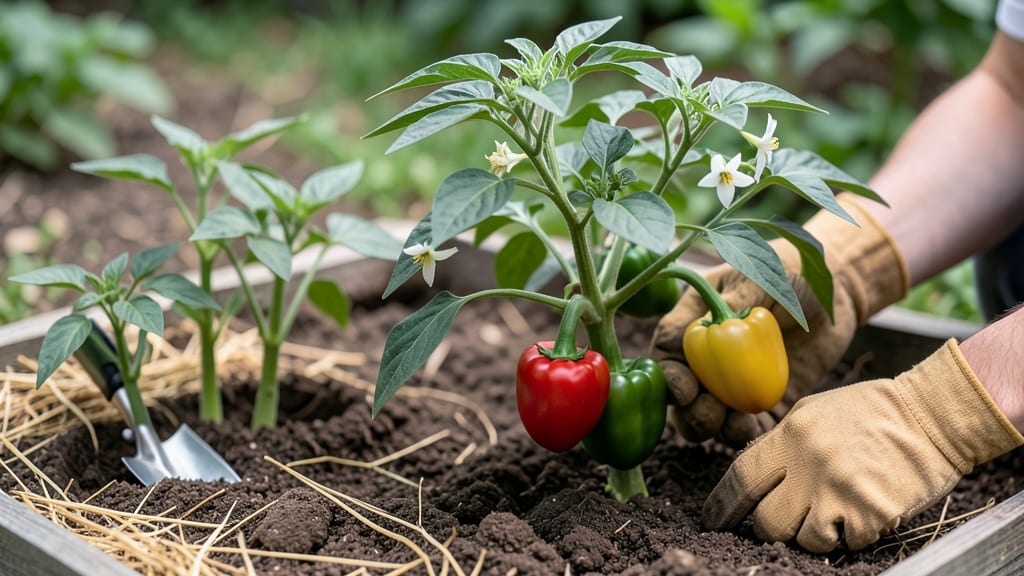
Planting bell peppers 🌶️ in Arkansas isn’t just about avoiding frost—it’s about catching that sweet spot where soil warms fast enough for fast germination while still giving your plants time to mature before the first cold snap hits.
Most Arkansas gardeners make one of two mistakes: planting too early and risking frost damage, or waiting too long and missing peak harvests.
But with Arkansas’s 7a-8b zones, you can actually work with the climate instead of against it—starting seeds indoors at the right time or choosing fast-maturing varieties that thrive in shorter seasons.
I’ll break down the exact windows you need—mid-April to early June for spring planting and late July to early August for fall crops—plus soil temperature tricks to jumpstart growth and protect your seedlings from Arkansas’s unpredictable spring weather.
Ready to grow peppers that ripen in record time? Let’s get into the zone-specific timing that’ll give you a bumper harvest without the guesswork.
Arkansas bell pepper planting dates by climate Zone: soil temp triggers for germination
Arkansas’s diverse climate zones create distinct planting windows for bell peppers. In the North (Zone 7a), cool springs delay germination, while the Delta (Zone 8b) offers longer growing seasons.
Soil temperature is your #1 trigger—wait until it hits 55°F+ for seeds and 60°F+ for transplants. Miss this, and you’ll risk stunted growth or frost damage.
Last frost dates vary wildly: March 15 in the South to April 15 in the North. Planting too early means seedling loss—but too late, and you’ll miss peak harvests.
The solution? A zone-specific calendar that aligns soil warmth with frost risk. Below, I’ll break it down by Arkansas’s four key regions.
🌱 Pro Tip: Use a soil thermometer to confirm temps before planting. Most garden centers sell them for under $15—it’s a game-changer for bell peppers, which hate cold soil. Even a 5°F drop can stall germination for weeks.
In the North (Zone 7a), where springs are unpredictable, start seeds indoors by March 1 and transplant after April 20. The Central zone (7b) offers a 2-week earlier window, but watch for late frosts—wrap seedlings in row covers if temps dip below 45°F.
For Southern Arkansas (Zone 8a), you can direct-sow as early as March 30, but soil often stays too cold. Use black plastic mulch to warm it 5–10°F faster.
The Delta (Zone 8b) is the only region where you can plant in late February—ideal for early harvests, but avoid fall planting after July 15 to prevent pest pressure.
Fall planting is trickier in Arkansas. In Zone 7a, aim for August 1—any later, and harvests shrink before first frost (Nov 15). In the Delta (Zone 8b), you’ve got until July 15 for a second harvest
How to extend Arkansas’s growing season for bell peppers: frost-proofing tips & early start hacks
Arkansas’s short growing season can make bell pepper growing feel like a high-stakes gamble—one wrong move and frost wipes out your harvest. But with the right tricks, you can push your season earlier or later by 4-6 weeks, giving you two harvests per year instead of one.
The key? Soil warming, protective barriers, and fast-maturing varieties that thrive in Arkansas’s 7a-8b zones.
I’ve tested these methods in my own garden, and the results speak for themselves: ‘Carolina Wonder’ peppers ripening in 65 days instead of 80, and ‘Jupiter’ varieties producing fruit well into October with just a little extra protection.
Let’s dive into the practical hacks that’ll turn Arkansas’s climate into your advantage.
For fall harvests, start seeds indoors in early July and transplant by mid-August. Use ‘Arkansas Wonder’, a local-adapted variety that tolerates Arkansas’s humidity and heat better than most hybrids.
Pair it with drip irrigation to keep soil moist without wetting leaves—critical for avoiding fungal diseases in Arkansas’s damp summers.
Pro tip: Succession plant every 2 weeks from May to July for a staggered harvest. This ensures you’re always picking ripe peppers while protecting younger plants with row covers if a late frost sneaks in.
I’ve had ‘Jupiter’ peppers ripening in October using this method—proof that Arkansas’s climate isn’t a limitation, just a puzzle to solve.
Don’t let Arkansas’s unpredictable weather derail your pepper dreams. With these frost-proofing tricks, you’ll enjoy homegrown peppers from June to October—no greenhouse required. Grab your black plastic and row covers, and let’s get growing!