
Plants
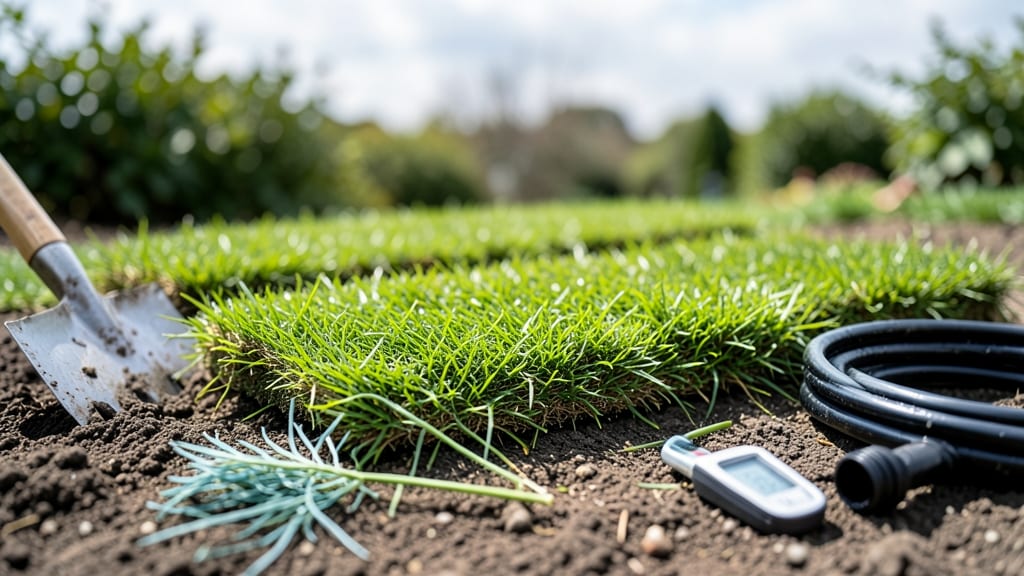
Planting Bermuda grass in San Antonio at the wrong time means battling heat stress and weak roots before your lawn even takes hold. The key to a thick, drought-resistant yard lies in choosing the right window—when soil temperatures hit 65°F and the sun isn’t yet relentless.
You’ve got two prime chances: early spring (March-April) or late summer (August-September). Both align with San Antonio’s USDA Zone 8a climate, giving your 🌱 Bermuda grass the best shot at deep root establishment before summer’s peak. Skipping these windows risks shallow roots that struggle when temperatures soar above 90°F.
But here’s the catch: timing isn’t just about the calendar—it’s about soil prep, watering smarts, and avoiding common pitfalls like overwatering or planting too late.
I’ll walk you through exactly what to do in each season to set your Bermuda grass up for success, so you’re not left patching a struggling lawn come June.
Ready to transform your yard into a resilient green oasis? Let’s dive into the exact steps that’ll have your grass thriving when others are wilting.
Best planting windows for Bermuda grass in San Antonio’s climate zones
San Antonio’s USDA Zone 8b/9a climate creates unique challenges for growing Bermuda grass, especially with its 90°F+ summers and clay-heavy soils. Unlike cooler climates, timing your planting window can mean the difference between a thick, drought-resistant lawn and a struggling patch that browns under the Texas sun.
The key? Planting when soil temperatures consistently hit 75°F+—this ensures rapid root establishment before the brutal heat sets in.
Most gardeners in San Antonio focus on two ideal windows: early spring (March-April) and late summer (August-September). Each has distinct advantages. Spring planting gives your grass a 6-8 week head start before peak summer heat, while late summer planting aligns with natural rainfall patterns and cooler evening temperatures.
Both strategies leverage the grass’s heat tolerance once established, but the prep work differs dramatically.
Here’s the critical breakdown of when to plant, based on San Antonio’s microclimates. Whether you’re seeding or sodding, these windows maximize your chances of a lush, low-maintenance lawn that thrives in the Alamo City’s extremes.
| Planting Window | Soil Temp Threshold | Key Advantages | Challenges | Action Steps |
|---|---|---|---|---|
| Early Spring (March-April) | 65°F+ (consistent) | 6-8 weeks to establish before summer heat | Clay soil compaction, potential spring rains | Aerate soil, use starter fertilizer |
| Late Summer (August-September) | 75°F+ (minimum) | Aligns with natural rainfall, cooler nights | Hurricane season delays, shorter growing window | Test for soil moisture, use shade cloth if needed |
| Avoid Planting | Below 60°F or above 90°F | N/A | Poor germination, fungal risks, heat stress | Wait for ideal window or use sod instead |
For spring planting (March-April), aim to get seeds in the ground by mid-April at the latest. This gives your Bermuda grass 6-8 weeks of warm soil before temperatures consistently exceed 90°F. The trade-off?
San Antonio’s clay-heavy soils can compact easily in spring, so aerate 2-3 weeks before planting to improve drainage. I’ve found that adding compost or sand (50/50 mix) helps break up the clay while retaining moisture.
If you prefer late summer planting (August-September), wait until soil temperatures stay above 75°F for at least a week. This window takes advantage of natural rainfall patterns and cooler evening temps, reducing watering demands.
However, hurricane season can disrupt progress, so have a shade cloth or temporary cover ready if storms roll in. Pro tip: Plant after a rain event to skip initial watering.
One common mistake I see in San Antonio is planting too late in spring (May-June) when soil temperatures already exceed 85°F. At this point, seeds struggle to germinate, and new grass burns under the midday sun.
Instead, opt for sod in late spring if seeding feels risky—sod establishes faster and handles heat better initially. For seeding, late summer is your backup plan, but act quickly before October’s cooler temps slow growth.
Bermuda grass thrives in full sun (6+ hours daily), but San Antonio’s intense afternoon sun can be brutal for new seedlings. If planting in spring, consider a light shade cloth (30% coverage) during the hottest hours (12-3 PM)**> until roots establish.
In late summer, focus on deep watering (1-1.5 inches per week) to encourage deep root growth before winter dormancy begins.
Soil temperature is your #1 indicator for success. Use a soil thermometer to check depths of 2-4 inches—this is where seeds germinate. For spring planting, wait until readings hit 65°F+ consistently for 3-5 days.
For late summer, aim for 75°F+. I’ve planted Bermuda grass in early March when soil was still cool, and the results were patchy and slow compared to mid-April plantings.
Once you’ve nailed the timing, watering frequency becomes critical. Newly seeded Bermuda grass needs daily watering
How to prepare soil and seed for maximum root growth before planting
San Antonio’s clay-heavy soil can suffocate young Bermuda grass roots if not prepped properly. The key to deep, drought-resistant roots starts with soil aeration and pH adjustment—both critical steps I’ve learned from local gardeners who’ve battled the same challenges.
Without these, your grass will struggle to establish before summer’s heat sets in.
First, test your soil’s pH level—Bermuda grass thrives in a 6.0-7.0 range. If your soil tests higher (common in San Antonio’s alkaline conditions), mix in elemental sulfur or peat moss 2-3 weeks before planting. This gives the pH time to stabilize naturally, preventing shock to your new seeds.
Next, focus on nitrogen timing. Bermuda grass is a heavy feeder, but too much nitrogen too soon can burn tender seedlings. Instead, apply a low-nitrogen starter fertilizer (like 10-10-10) at planting, then wait 4-6 weeks before switching to a high-nitrogen blend (16-4-8).
This phased approach mirrors how I’ve seen professional lawns establish without stress.
- Step 1: Test Soil pH – Use a soil test kit to check levels. Aim for 6.0-7.0; adjust with sulfur or lime if needed.
- Step 2: Aerate Clay Soil – Rent a core aerator to create 1/2-inch holes every 3-4 inches. This breaks up compaction and improves water absorption.
- Step 3: Mix in Organic Matter – Blend 2-3 inches of compost or aged manure into the top 6 inches of soil. This boosts drainage and nutrient retention.
- Step 4: Level the Ground – Rake the area smooth to prevent water pooling. Bermuda grass hates soggy spots, which can lead to fungal diseases.
- Step 5: Space Seeds Correctly – Plant seeds 1/4 inch deep, spacing them 1/8 inch apart. Cover lightly with soil to protect from birds and wind.
- Step 6: Water Deeply – Soak the soil to a depth of 4-6 inches immediately after planting. Use a soaker hose to avoid dislodging seeds.
- Step 7: Irrigate on a Schedule – Water daily for 10-15 minutes in the morning for the first 2 weeks. Reduce to every other day once sprouts appear.
San Antonio’s clay soil holds moisture like a sponge, but that’s a double-edged sword. While it retains water, it can also suffocate roots if not managed. After planting, I recommend using a drip irrigation system to deliver water slowly and evenly.
This mimics natural rainfall and prevents runoff, which is especially important during our erratic spring showers.
Finally, avoid the temptation to fertilize heavily right away. Bermuda grass needs consistent moisture more than immediate nutrients. Stick to the low-nitrogen starter and monitor your lawn closely.
If you see yellowing leaves, it’s a sign of over-fertilization—not a need for more food. Instead, adjust your watering or wait another week before reapplying fertilizer.
With these steps, your Bermuda grass will develop deep roots within 4-6 weeks, ready to handle San Antonio’s brutal summers. The secret isn’t just planting at the right time—it’s preparing the soil to support that growth from day one.