
Plants
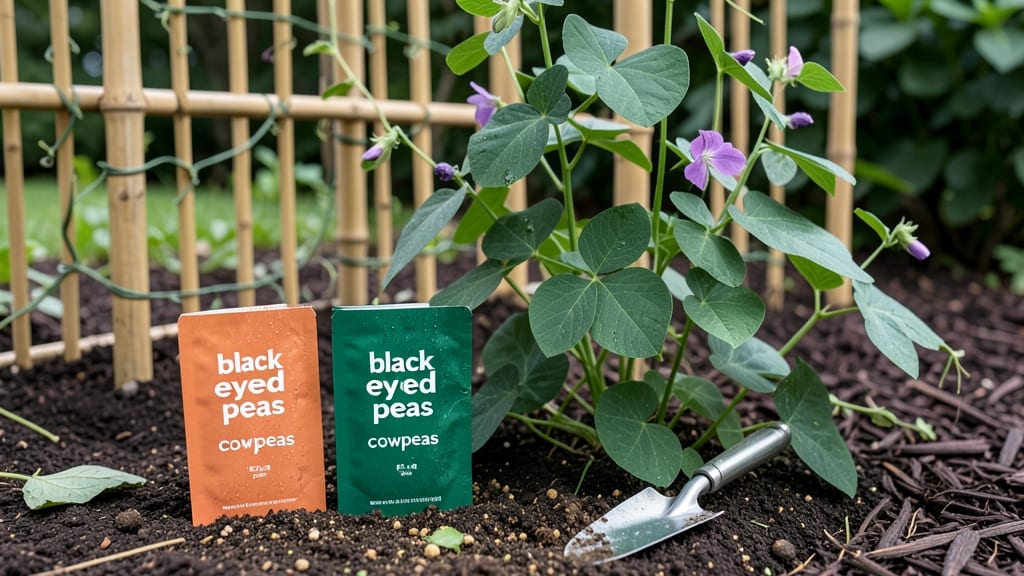
Planting black-eyed peas in Texas isn’t just about grabbing seeds and sticking them in the dirt—it’s about timing your move to dodge frost in the north and scorching heat in the south.
The 8a-10b zones here mean your window for success is tight: too early, and a late freeze wipes out your 🌱; too late, and summer’s brutal sun stunts growth before you even see pods.
Most gardeners in Texas swear by two planting seasons: late winter/early spring (February-March) for a summer harvest, or fall (September-October) to beat the heat. But here’s the catch—North Texas’s last frost can linger until mid-February, while South Texas might still see chilly nights in January.
That’s why knowing your exact zone (and checking a frost-free date map) is the key to avoiding heartbreak.
Once you’ve nailed the timing, the next challenge is keeping your black-eyed peas happy through Texas’s extremes. We’re talking shade cloth for summer, mulch to lock in moisture, and a watchful eye for pests that thrive in this climate.
Let me walk you through the exact steps to turn your planting window into a bountiful harvest—no guesswork, just results.
Whether you’re growing these sweet peas for tender pods or dried seeds, the principles are the same: plant smart, protect your crop, and enjoy the rewards. Ready to master the Texas way? Let’s get started.
Texas heat zones for black eyed peas: planting dates by USDA Zone
Texas gardeners know that black-eyed peas thrive in specific windows—too early, and frost zaps tender seedlings; too late, and scorching heat stunts growth. The USDA zones 7-10 across Texas create distinct planting schedules, with North Texas (7-8) having cooler winters and South Texas (9-10) enjoying year-round warmth.
Understanding these zones ensures your black-eyed peas mature before summer heat sets in or winter frost arrives.
Black-eyed peas are warm-season crops that prefer soil temperatures above 60°F to germinate. In Texas, this means spring (March-April) and fall (September-October) are ideal, but exact timing varies by USDA zone.
For example, gardeners in Zone 7 (North Texas) should plant in late March, while those in Zone 10 (South Texas) can start as early as February or even late summer for a fall harvest.
Below is a comparison table breaking down the best planting dates, frost-free windows, and heat thresholds for each Texas zone. Use this as your guide to align your planting schedule with local climate patterns and maximize your black-eyed pea yield.
For Zone 7 and 8 gardeners, focus on spring planting (late March) to ensure pods mature before summer heat peaks. In these zones, fall planting is risky due to early frost. Meanwhile, Zones 9 and 10 offer flexibility—plant in early spring or late summer for two harvests per year.
The key is to avoid planting when daytime highs exceed 90°F, as this stresses young plants.
Soil temperature is critical for germination. Use a soil thermometer to confirm temps are above 60°F before planting. In cooler zones like Zone 7, wait until the ground warms naturally—typically by mid-April.
In warmer zones like Zone 10, you can plant as early as January if you provide light shade during the hottest afternoons.
Black-eyed peas in Texas also benefit from succession planting. Sow seeds every 2-3 weeks during the ideal window to stretch your harvest. For example, in Zone 9, plant the first batch in February, then follow up in March and early April.
This ensures a continuous supply of fresh pods from May through July before summer heat sets in.
Monitor your plants for signs of heat stress, such as wilting leaves or yellowing foliage. If temperatures climb above 95°F, provide afternoon shade with 30% shade cloth to protect young plants.
In Zone 10, where summer heat is intense, consider planting heat-tolerant varieties like 'Purple Hull' or 'Crimson Spineless' to improve survival rates.
Finally, remember that black-eyed peas are sensitive to frost at all growth stages. If an unexpected late frost threatens in Zone 7 or 8, cover plants with frost blankets or row covers.
In Zone 9 and 10, frost is rare, but a late October chill can still damage mature plants. Plan your harvest timeline accordingly to avoid losses.
By aligning your planting schedule with these Texas heat zone guidelines, you’ll ensure a bountiful harvest of tender black-eyed peas—whether you’re growing them for
How to extend the black eyed pea growing season in Texas heat
Once you’ve planted your black-eyed peas at the perfect time, Texas’s relentless summer heat becomes your next challenge. Temperatures soaring above 90°F can stunt growth, while drought stress forces plants to bolt prematurely.
The key to success? Proactive protection. I’ve grown black-eyed peas across North and Central Texas and learned these strategies firsthand to keep your plants thriving when the mercury rises.
Start with shade cloth—a lightweight 30-50% shade fabric stretched above your plants can reduce soil temps by 10-15°F while still allowing sunlight. For extreme heat (above 100°F), opt for 50% coverage and remove it once temps drop below 85°F in the evening.
This balance prevents heat shock while maintaining photosynthesis.
- Shade Cloth: 30-50% coverage for temps 90°F+
- Mulch: 3-4 inches of straw or wood chips to retain moisture
- Watering: Deep soak at 6 AM (never at night)
- Companion Plants: Basil or radishes to deter pests and improve airflow
- Pruning: Remove lower leaves to reduce transpiration
No matter how diligent you are with shade, mulching is non-negotiable in Texas. A 3-4 inch layer of straw or wood chips acts like a blanket, locking in moisture and keeping roots cool.
I’ve seen soil temps drop 20°F at a 2-inch depth with proper mulching. For extra insurance, use black plastic mulch in early summer—it warms the soil for faster germination while suppressing weeds.
Watering black-eyed peas in Texas heat requires precision. Morning watering (before 10 AM) is critical—it gives foliage time to dry, reducing fungal diseases like powdery mildew. Aim for 1-2 inches of water per week, delivered deeply rather than lightly.
A drip irrigation system or soaker hose works best, as it delivers water directly to the roots without wetting leaves. If you’re hand-watering, focus on the base of the plant and avoid overhead sprinklers.
Don’t underestimate the power of companion planting to extend your harvest. Basil repels thrips and improves flavor, while radishes break up compacted soil and deter pests. I plant marigolds around the perimeter to confuse aphids and attract beneficial wasps.
Even nasturtiums work—their peppery scent masks the scent of black-eyed peas, keeping pests away. Space companions 12-18 inches apart to avoid competition for nutrients.
Finally, monitor your plants for heat stress signs: wilting leaves that don’t recover by evening, yellowing lower leaves, or stunted growth. If you see these, immediately provide shade and increase watering frequency.
With these strategies, I’ve successfully grown black-eyed peas well into July in Central Texas—something most gardeners think is impossible. The secret? Staying ahead of the heat, not fighting it.