
Plants
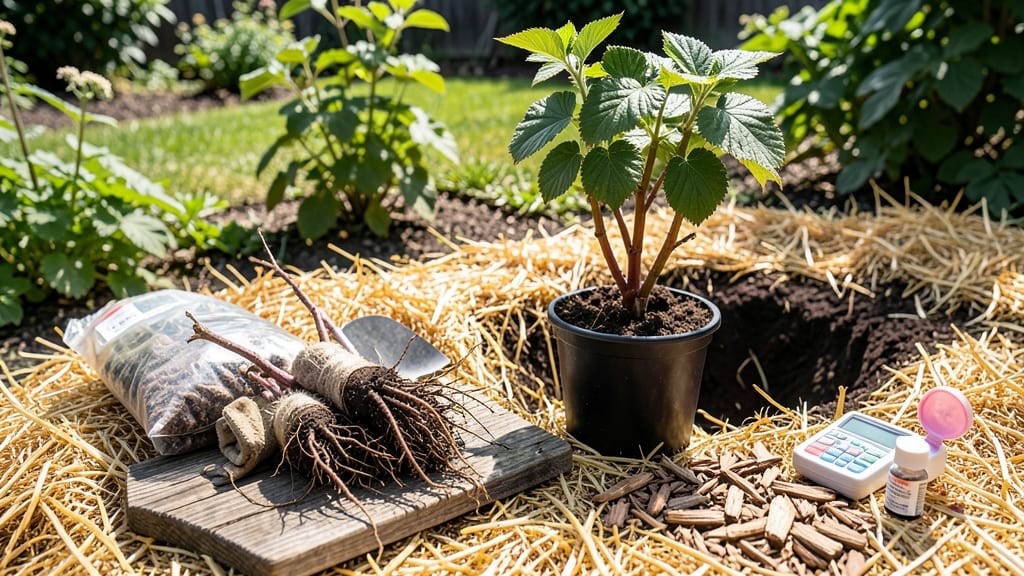
Planting blackberries at the wrong time in Ohio can mean the difference between a thriving 🫐 bush and one that struggles—or worse, dies before summer. The key isn’t just picking a season but matching your variety to Ohio’s chill-hour requirements and frost dates, especially in Zone 6a.
I’ve learned the hard way that late spring plantings often get nipped by frost, while fall plantings risk stressing roots before winter. The sweet spot? Early spring or late fall, when soil is workable but temperatures are mild.
Let’s break down exactly when to plant for Ohio’s climate—plus how to prep soil and protect young canes from late frosts.
You’ll discover which blackberry varieties thrive best in Ohio’s microclimates, how to calculate chill-hours for your specific location, and why spacing and mulching make all the difference.
Whether you’re a first-time gardener or a seasoned grower, these insights will help you avoid common pitfalls and set up your bushes for a bountiful harvest.
From soil pH adjustments to frost-free timing, I’ll walk you through every step—so you can plant with confidence and enjoy sweet, plump berries by mid-summer. Ready to get started?
Ohio blackberry planting timeline: chill-hours explained for Ohio’s zones 5-7
Ohio’s blackberry bushes thrive when planted at the right time, but the chill-hour requirement can be confusing. Most Ohio varieties need 500-1,000 chill-hours (temperatures between 32°F and 45°F) to break dormancy. Skipping this step means poor flowering and fewer berries.
Let’s break down the ideal planting windows for Ohio’s Zones 5-7, including how to match varieties like 'Triple Crown' or 'Natchez' to your microclimate.
Spring planting (March-April) is the safest bet in Ohio, giving canes 6-8 weeks to establish roots before summer heat. Fall planting (October-November) is riskier but can work if done 4-6 weeks before ground freezes.
The key? Avoid planting when soil temps drop below 40°F, as roots won’t develop properly. Let’s dive into the specifics for your zone.
Chill-hours are your secret weapon. For example, 'Chester' thrives with 700-900 chill-hours, while 'Arapaho' needs 500-700. Ohio’s Zone 5 (northern Ohio) typically hits 1,000+ chill-hours, while Zone 7 (southern Ohio) may only reach 600-800. Mismatching varieties to your zone leads to poor fruit set or winter die-off.
| Variety | Chill-Hours Needed | Best Planting Window | Zone Fit |
|---|---|---|---|
| Triple Crown | 700-900 | Early spring or late fall | Zones 5-7 |
| Natchez | 500-700 | Late spring (May) | Zones 6-7 |
| Chester | 700-900 | Early spring | Zones 5-6 |
| Arapaho | 500-700 | Late fall (October) | Zones 6-7 |
For Zone 5 gardeners, aim for early spring planting (March-April) to avoid late frosts. In Zone 7, you can push fall planting to early November, but monitor soil temps closely.
Pro tip: Use a soil thermometer to ensure temps stay above 40°F for root growth. If you’re unsure about chill-hours, check your local Cooperative Extension Service for microclimate data.
Early spring planting (March-April) gives canes 6-8 weeks to root before summer stress. Late spring (May) is riskier but works for heat-tolerant varieties like 'Natchez'. Fall planting (October-November) is ideal for established canes, but young plants may not survive winter.
Balance root establishment with frost risk—this is where Ohio’s microclimates come into play.
Ohio’s northern microclimates (Zone 5) often see earlier frosts, so prioritize spring planting. Southern Ohio (Zone 7) can handle later fall plantings, but avoid planting after November 15.
If you’re in a valley or low-lying area, frosts hit earlier—adjust your timeline accordingly. Always err on the side of earlier planting for young canes.
To calculate chill-hours for your area, track temps below 45°F using a home weather station or local data. For example, if your region averages 800 chill-hours, choose 'Triple Crown' over 'Natchez'. Mismatches lead to poor flowering or no fruit. Ohio’s variable winters make this step critical—don’t guess!
Protect young canes from late frosts using row covers or mulch if planting in early spring. For fall plantings, add extra mulch (4-6 inches) to insulate roots. In Zone 5, consider container growing for flexibility—move pots to a sheltered spot if frosts threaten.
This small adjustment can mean the difference between survival and loss.
Once planted, monitor canes for new growth in spring. If growth stalls, you may have planted too late or chosen a variety with incompatible chill-hours. Adjust future plantings based on these cues. For example, if 'Chester' flowers poorly in Zone 7, switch to 'Arapaho' next year. Ohio
Step-by-step Ohio blackberry planting guide: soil prep to first harvest
Ohio’s spring planting window for blackberries opens as soon as the soil warms to 50°F (10°C), typically mid-to-late March in most of the state. This timing gives young canes 6-8 weeks to establish roots before summer heat sets in.
For fall planting, aim for October—after the first frost but before the ground freezes—to allow roots to settle before winter dormancy.
Before you plant, Ohio’s soil pH needs careful attention. Blackberries thrive in acidic to slightly acidic soil (pH 5.5-6.5). Test your soil with a home pH kit—if it’s too alkaline, amend with sulfur or peat moss.
I’ve found that well-draining soil is just as critical: blackberries hate soggy roots, so avoid low-lying areas where water pools.
Now, let’s tackle the planting process itself. Whether you’re planting in-ground or in containers, the steps are similar—just scale the spacing. Here’s how to do it right:
Step-by-Step Ohio Blackberry Planting
-
Step 1: Choose Your Location
Select a sunny spot with 6+ hours of sunlight and good air circulation to prevent fungal diseases. In-ground plantings need 3-4 feet between canes; containers should be at least 18 inches wide.
-
Step 2: Prepare the Soil
Loosen soil to 12 inches deep and mix in 2-3 inches of compost. For containers, use a well-draining potting mix with perlite or sand to prevent compaction.
-
Step 3: Plant Bare-Root Canes
Dig a trench 6 inches deep and place canes 2 feet apart in the trench. Space rows 6 feet apart for easy maintenance. Backfill soil gently and water deeply to eliminate air pockets.
-
Step 4: Mulch and Protect
Apply 3-4 inches of mulch (straw or wood chips) to retain moisture and suppress weeds. For late spring plantings, use frost cloth or row covers to protect young canes from unexpected frosts.
-
Step 5: Water and Fertilize
Water deeply 2-3 times per week for the first month. After establishment, fertilize with a balanced 10-10-10 formula in early spring to encourage vigorous growth.
Protecting your blackberries from Ohio’s late frosts is non-negotiable. Even after planting, April frosts can damage tender new growth. Use frost cloth or row covers until the threat of frost has passed, usually by mid-May.
I’ve also had success with mulching heavily—it insulates roots and keeps soil temperatures stable.
First-year blackberries won’t produce much fruit, but they’ll focus on root and cane development. Prune dead or damaged canes in early spring, and remove any weak or spindly growth to encourage strong, productive canes.
By year two, you’ll see thornless varieties like ‘Natchez’ or ‘Chester’ start bearing fruit—just be patient!
With the right soil prep, planting timing, and frost protection, your Ohio blackberry bushes will reward you with juicy, sweet berries by mid-summer. The key is consistency—water deeply, mulch well, and prune regularly—and you’ll be harvesting like a pro in no time. 🫐