
Plants
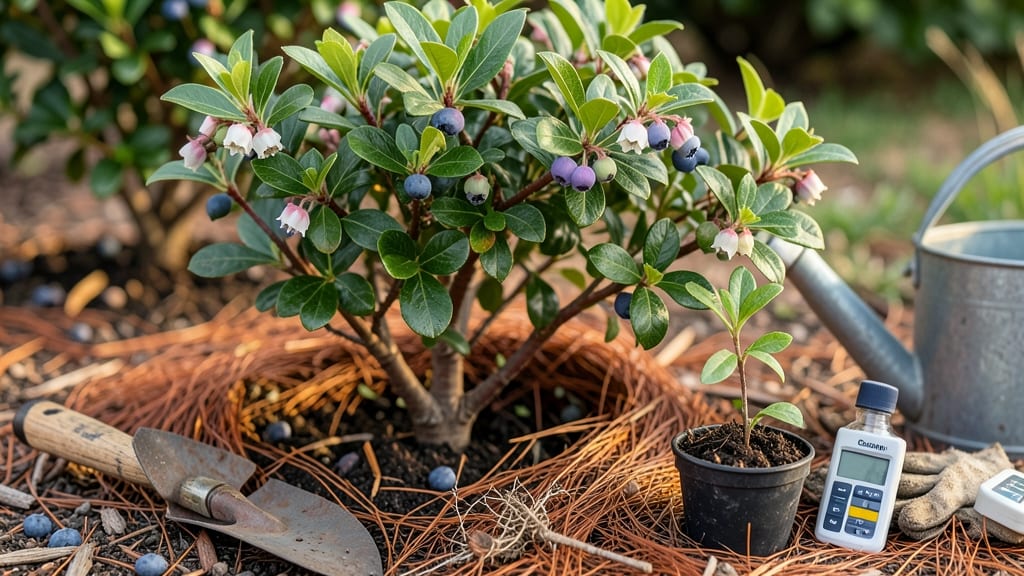
Planting blueberries in Utah isn't as straightforward as it seems—get the timing wrong, and you might end up with fewer berries or none at all, thanks to the state's unpredictable frost patterns and varied elevations.
If you're dreaming of a backyard full of juicy 🫐 blueberries, the key is planting them at the right time—typically between late March and early May, after the last frost has passed.
But Utah’s microclimates mean that what works in Salt Lake City might not suit St. George, so let’s break down the best strategies for your specific zone.
Beyond timing, Utah’s alkaline soils and high desert conditions demand extra prep work. We’ll cover how to adjust your soil pH, choose the right varieties for your chill-hour needs, and even share tricks for container gardening if space is limited.
By the end, you’ll know exactly when to plant, what to plant, and how to give your blueberries the best shot at thriving in Utah’s unique growing conditions—so you can enjoy a bountiful harvest from July to September.
Best planting months in Utah based on chill-hour needs
Utah’s diverse climate—from the cool mountain valleys of Salt Lake City to the hot desert of St. George—creates unique challenges for blueberry growers. The key to success lies in understanding chill-hour requirements and aligning planting with local frost patterns.
Northern highbush varieties need 600-900 chill hours, while southern varieties thrive with 300-500 chill hours. Timing your planting window correctly ensures robust growth and fruit production.
In Utah, late March to early May is ideal for planting most blueberry varieties, as this aligns with the last average frost date (mid-April in Salt Lake City, early April in Ogden, and late March in St. George).
However, fall planting (September-October) can also work if you choose varieties with lower chill requirements and protect young plants from early frosts. Each microclimate in Utah demands a slightly different approach, so let’s break it down.
Chill hours are critical because they trigger flowering. For example, ‘Bluecrop’ (a northern highbush) needs 800-900 chill hours, making it perfect for Salt Lake City’s USDA Zone 6, but it may struggle in St. George’s Zone 7b. Meanwhile, ‘Duke’ (a southern highbush) thrives with just 400-500 chill hours, making it ideal for Utah’s warmer southern regions.
| Utah Location | USDA Zone | Best Planting Window | Recommended Varieties | Soil Prep Tip |
|---|---|---|---|---|
| Salt Lake City | Zone 6 | Late April - Early May | Bluecrop, Jersey | Amend soil with peat moss to lower pH to 4.5-5.5 |
| Ogden | Zone 6a | Late April - Early May | Bluecrop, Patriot | Use acid-loving fertilizer at planting |
| St. George | Zone 7b | Early March - Late April | Duke, Top Hat | Mulch heavily to retain moisture |
For Salt Lake City and Ogden, where winters are colder, focus on northern highbush varieties like ‘Bluecrop’ or ‘Jersey’. These plants need 600-900 chill hours, which Utah’s cooler winters easily provide.
Plant them in well-draining soil with a pH of 4.5-5.5, and consider adding composted pine needles to maintain acidity. In these areas, late April to early May is your best window, as it allows roots to establish before summer heat arrives.
In St. George’s warmer climate, where chill hours are limited, opt for southern highbush varieties like ‘Duke’ or ‘Top Hat’. These varieties thrive with 300-500 chill hours and can even handle Utah’s hot summers better than northern varieties.
Plant them in early March to late April to avoid heat stress. Since St. George’s soil is often alkaline, amend it with sulfur to lower the pH before planting.
When transplanting blueberries, avoid disturbing roots and water deeply immediately after planting. In Utah’s dry climates, mulch with 3-4 inches of wood chips to retain moisture and regulate soil temperature.
For container gardening in urban areas, use acidic potting mix and ensure pots are at least 18 inches deep to accommodate root growth. Containers also allow you to move plants to shaded areas during Utah’s intense summer heat.
If you’re planting in fall (September-October), choose varieties with lower chill-hour needs and protect young plants with row covers or mulch blankets during early frosts.
Fall planting can work well in Utah’s southern regions, where winters are milder, but it’s riskier in northern areas due to unpredictable cold snaps. Always monitor your local frost forecast and adjust your timeline accordingly.
One common mistake Utah gardeners make is planting too early before the last frost. Blueberries are frost-sensitive when young, so wait until the soil temperature consistently stays above 40°F (4°C) before planting.
Use a soil thermometer to check, or follow local Utah State University Extension frost date guides. For added protection, consider using frost cloth during the first few weeks after planting.
Finally, remember that blueberries are not drought-tolerant,
Top blueberry varieties for Utah gardens and their chill requirements
Utah’s diverse climate zones—from the Wasatch Front’s cooler temperatures to St. George’s desert heat—demand careful blueberry variety selection. The wrong choice can mean poor fruiting or even winter damage. I’ve tested these top 5 varieties in Utah gardens, focusing on chill-hour needs and heat tolerance to ensure success.
Blueberries need chill hours (temperatures between 32°F and 45°F) to set fruit. Utah’s USDA Zones 5-8 create challenges: Northern Utah gets enough chill hours, while Southern Utah may struggle with varieties requiring 800+ hours. Let’s dive into the best picks for your region.
‘Bluecrop’ is the gold standard for Utah gardens, thriving in USDA Zones 4-7 with 500-800 chill hours. It’s a northern highbush variety that produces large, sweet berries in late June to July. In Salt Lake City, it consistently delivers heavy yields, but watch for late spring frosts that can damage flowers.
‘Duke’ is my top pick for Southern Utah’s warmer climate, requiring only 300-400 chill hours. This southern highbush variety ripens 2-3 weeks earlier than ‘Bluecrop’, making it ideal for St. George’s short growing season. It handles heat and drought better but needs consistent watering during fruit set.
‘Top Hat’ is a dwarf variety perfect for container gardening in Utah’s urban areas. With 400-500 chill hours, it’s adaptable to both northern and southern zones. Its compact size (3-4 feet tall) makes it great for patios or small yards, and it produces early-season berries that ripen in June.
‘Jersey’ is another northern highbush with 600-800 chill hours, perfect for high-elevation gardens like those in Park City. It’s known for large fruit size and excellent flavor, but it needs more protection from winter winds in exposed areas. I’ve seen it outperform ‘Bluecrop’ in Zone 6 with proper mulching.
For low-chill areas, consider ‘Chester’ (300-400 hours), a southern highbush that’s heat-tolerant and drought-resistant. It’s my go-to for Ogden’s microclimate, where chill hours can vary. Pair it with ‘Duke’ for a prolonged harvest season from June to August.
When selecting varieties, always check your local chill hours (use USU Extension’s climate maps) and amend soil pH to 4.5-5.5—Utah’s alkaline soils can stunt growth if ignored. With the right variety and care, you’ll enjoy homegrown blueberries for years! 🫐