
Plants
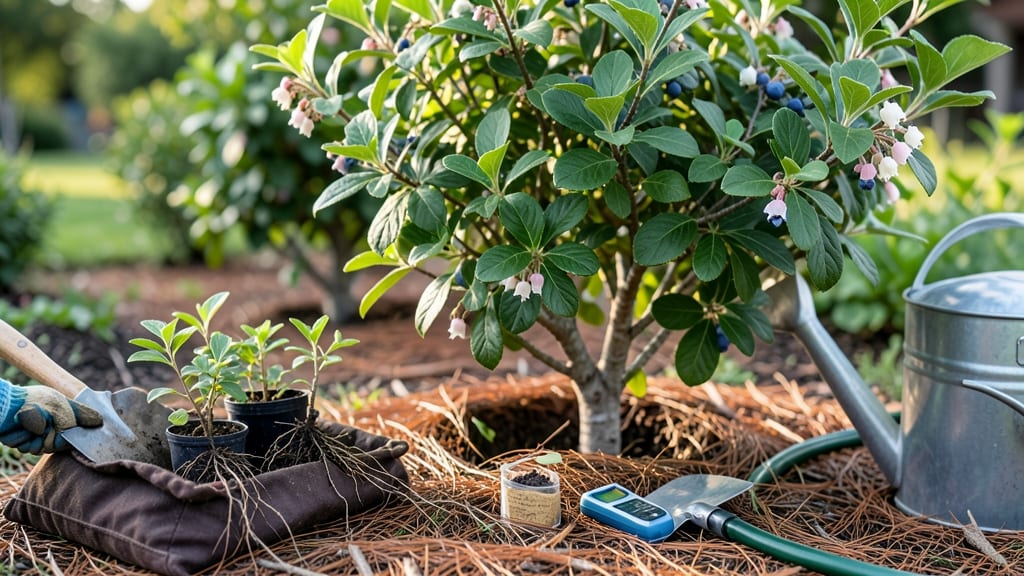
If you're dreaming of a backyard bursting with juicy 🫐 blueberries in Zone 8, timing your planting is the secret weapon—because getting it wrong means fewer berries, not more.
Unlike cooler climates, Zone 8's mild winters demand a smarter approach to chill hours, and planting too early or late can leave your bushes frustrated and fruitless.
The key to success? Planting your blueberries between late winter and early spring—specifically, February to April—when the soil is workable but frost threats have passed. This window gives your bushes the 600–1,000 chill hours they crave to trigger flowering, while avoiding the heat stress of summer planting.
But here’s the catch: not all varieties thrive equally in Zone 8, and soil prep can make or break your harvest.
I’ve tested the best strategies for Zone 8 gardeners, from selecting low-chill varieties like ‘Emerald’ to acidifying soil with peat moss.
Whether you’re planting in the ground or containers, these tips will help you skip the common mistakes and set your bushes up for a bountiful first harvest by late spring or early summer.
Ready to turn your blueberry dreams into reality? Let’s break down the exact steps—from soil prep to variety selection—that will have you picking berries like a pro in just a few seasons.

Zone 8 blueberry planting timeline: chill-hours explained
Zone 8 gardeners face a unique challenge with blueberries—they need 300–1,000 chill hours to set fruit, but our mild winters often fall short. The key is selecting varieties that match your microclimate’s chill hours and planting at the right time to maximize dormancy benefits.
Unlike colder zones, we can’t rely on winter alone; strategic planting and soil prep become critical.
Blueberries thrive in Zone 8 when planted during their dormant season, which aligns with late fall or early spring. Fall planting (October–November) gives roots time to establish before winter, while spring planting (February–March) avoids frost stress.
Both windows work, but fall is ideal for low-chill varieties, while spring suits higher-chill types that need extra dormancy.
Here’s how to match your blueberry variety to Zone 8’s chill-hour range and lock in the best planting window for your garden:
For Southern Highbush varieties like 'Emerald' or 'Misty,' fall planting (October–November) is your best bet. These types need only 300–500 chill hours, making them perfect for Zone 8’s mild winters.
Planting in fall gives roots time to establish before winter, while the bush remains dormant—ideal for fruit set next spring.
If you’re growing Rabbiteye or Half-High varieties (e.g., 'Climax' or 'Tifblue'), aim for early spring planting (February–March). These types require 500–800 chill hours, and spring planting ensures they get enough dormancy before blooming. Avoid late spring planting, as it may delay fruit production by a season.
Pro tip: Use organic mulch (pine straw or wood chips) to extend chill hours naturally. Mulch insulates roots, mimicking winter conditions and helping low-chill varieties meet their requirements. Apply a 4-inch layer around the base in late fall for best results.
Timing isn’t just about the calendar—it’s about microclimates. If your garden sits in a frost pocket or near a heat island, adjust planting by 2–4 weeks.
For example, plant Southern Highbush in late November if your area stays warm into December, or delay Rabbiteye planting to early March if frost lingers.
After planting, monitor your bushes for bud break timing. If buds swell too early (before last frost), protect them with frost cloth. In Zone 8, late frosts (after March 15) can damage flowers, so choose varieties with staggered bloom times for insurance.
Remember: Soil acidity (pH 4.5–5.5) is non-negotiable. Test your soil before planting—blueberries won’t fruit without it. Amend with peat moss or sulfur if needed, and mulch annually to maintain acidity. With the right variety, timing, and care, your Zone 8 blueberries will reward you with juicy harvests for decades.
🫐
Best blueberry varieties for Zone 8: chill-hour requirements compared
Choosing the right blueberry variety for Zone 8 hinges on chill-hour needs. Unlike colder zones, Zone 8’s 300–1,000 chill hours demand varieties that thrive without excessive cold.
Southern Highbush types dominate here, but some low-chill hybrids deliver too. Let’s compare the top performers and how their chill-hour requirements align with your microclimate.
For Zone 8 gardeners, chill hours determine whether a variety will fruit reliably. Most Southern Highbush blueberries need 300–600 chill hours, while newer hybrids like 'Emerald' stretch to 500–700 hours.
If your area sits on the warmer end (closer to Zone 8b), prioritize varieties like 'Misty' or 'O’Neal', which handle 400–600 chill hours with ease.
| Variety | Chill Hours | Mature Size | Harvest Window | Best For |
|---|---|---|---|---|
| Emerald | 500–700 | 5–7 ft | May–June | Large berries, high yield |
| Misty | 400–600 | 4–6 ft | April–May | Early harvest, compact |
| O’Neal | 400–500 | 6–8 ft | May–June | Heat-tolerant, disease-resistant |
| Star | 300–500 | 5–7 ft | April–May | Low-chill, reliable |
'Emerald' leads for Zone 8 with its 500–700 chill hours, producing large, sweet berries in late spring. Its 5–7 ft height makes it ideal for in-ground planting, but prune annually to maintain shape. If your area leans toward Zone 8b, 'Misty' is a safer bet—its 400–600 chill hours ensure fruit even in milder winters.
For container growing, 'Star' shines with 300–500 chill hours, thriving in 5-gallon pots with acidic soil. Its compact size (5–7 ft) and early harvest window (April–May) make it perfect for patios or balconies.
Pair it with 'O’Neal' for a staggered harvest—its 400–500 chill hours and heat tolerance extend your season.
Microclimates matter! Coastal Zone 8 areas often see fewer chill hours than inland spots. If you’re near the coast, opt for 'Star' or 'Misty' to avoid bloom failure. Inland gardeners can push limits with 'Emerald' or 'O’Neal', but monitor winter temps—20°F dips can stress low-chill varieties.
Pro tip: Extend chill hours for low-chill varieties by placing pots in a shady, sheltered spot during winter. A white frost cloth can also help simulate cooler temps. With the right variety, your Zone 8 blueberries will reward you with juicy, homegrown harvests year after year.