
Plants
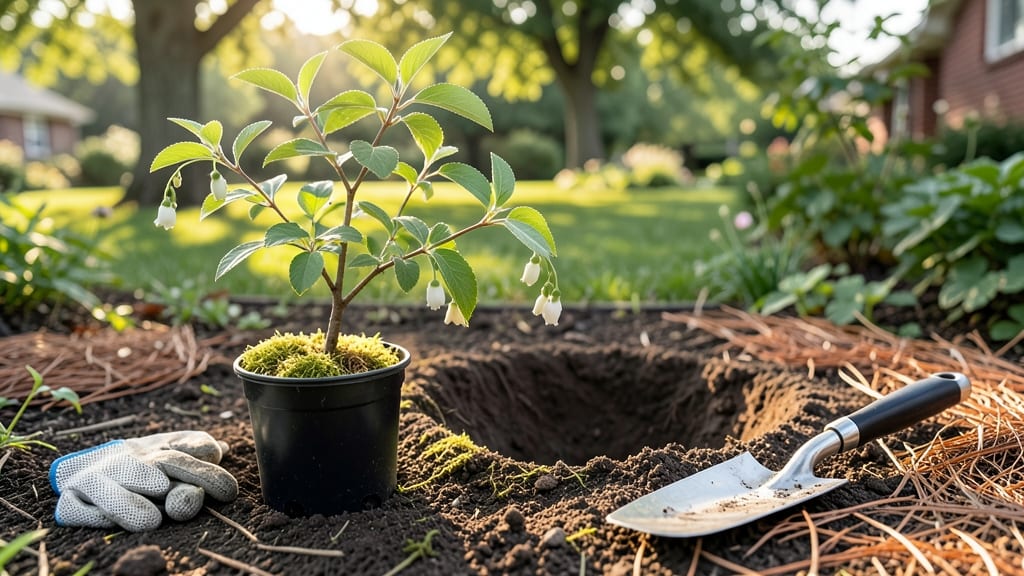
Planting blueberry bushes in Georgia at the wrong time could mean years of struggling with weak growth—or worse, no harvest at all. The key to thriving 🫐 bushes lies in understanding when to plant them, and it’s not as simple as "spring" or "fall."
Georgia’s unique climate zones (7b-8b) demand precision, especially with our warm winters and long growing seasons.
Most gardeners swear by late fall to early spring as the ideal window, but there’s a catch: bare-root bushes need cooler soil, while potted plants can handle the heat better.
I’ll break down the exact months that work best for your yard, plus how to prep your soil like a pro to ensure those bushes take root fast and produce juicy berries by next summer.
You’ll also discover why March and April are the sweet spots for most of Georgia—but what if you’re in a cooler microclimate? We’ll cover adjustments for early frosts and how to protect your investment from summer heat stress. No more guesswork, just a clear, step-by-step plan tailored to your backyard.
Ready to turn your garden into a blueberry bonanza? Let’s dive into the secrets that’ll have your bushes bursting with fruit faster than you’d expect—without the trial-and-error headaches.
Best planting months for blueberries in Georgia: climate zones explained
Georgia’s USDA Zones 7a-8b create a unique window for planting blueberry bushes, where timing directly impacts harvest success. Most gardeners aim for late winter to early spring, but microclimates—like Atlanta’s urban heat islands or the cooler Appalachian foothills—can shift this by 2-4 weeks.
The University of Georgia Extension confirms March is ideal for most regions, but bare-root vs. container-grown bushes have different deadlines.
For Zone 7a (north GA), like Dahlonega or Blairsville, the optimal window is February 15–March 15 to avoid late frosts (avg. last frost: March 15).
In Zone 8b (south GA), such as Savannah or Valdosta, you can plant until April 1—but heatwaves after April 15 stress young roots. Container-grown bushes adapt better to extended windows (up to May 1 in Zone 8b) since their roots aren’t exposed.
Fall planting (October–November) is risky in Georgia unless you’re in Zone 7a, where cooler temps help roots establish before winter. However, southern Georgia’s mild winters can cause dormancy issues—roots may not harden off properly. The University of Georgia recommends spring planting for 90% of the state to align with natural growth cycles.
| Factor | Zone 7a (North GA) | Zone 7b (Central GA) | Zone 8a (South GA) | Zone 8b (Coastal GA) |
|---|---|---|---|---|
| Best Planting Window | Feb 15–Mar 15 | Feb 28–Mar 31 | Mar 15–Apr 15 | Mar 1–Apr 1 |
| Bare-Root Deadline | Mar 15 | Mar 31 | Apr 15 | Apr 1 |
| Container-Grown Window | Feb 1–May 1 | Feb 15–May 15 | Mar 1–Jun 1 | Mar 15–Jun 15 |
| Frost Risk After Planting | High (avg. frost: Nov 15) | Moderate (occasional) | Low (rare after Mar) | Very Low |
| Heatwave Risk After Planting | Low | Moderate (Apr+) | High (May+) | Very High (Apr+) |
If you’re planting bare-root bushes, act fast—roots dry out within 24–48 hours of arrival. For Zone 7a, prioritize February to beat spring rains, which can waterlog soil and suffocate roots. In Zone 8b, March is critical: delay until after March 15, and you
Georgia-specific soil prep checklist: pH, amendments, and drainage fixes
Blueberries thrive in acidic soil with a pH between 4.5–5.5, but Georgia’s native soils—whether heavy clay or sandy loam—rarely meet this requirement. Without proper prep, your bushes will struggle to absorb nutrients, leading to stunted growth or no fruit at all.
The good news? With the right amendments and a little elbow grease, you can transform even the toughest Georgia soil into a blueberry paradise.
Start by testing your soil’s current pH using a simple household method: mix 1 part soil with 2 parts vinegar in a cup. If it fizzes, your soil is alkaline (too high pH).
For a more accurate test, grab a digital pH meter or send a sample to the University of Georgia Soil Testing Lab. Knowing your baseline pH is critical—it determines whether you’ll need to lower pH with sulfur or raise organic matter to buffer it naturally.
Here’s your Georgia soil prep checklist, broken down by soil type and amendment needs:
Use vinegar test (fizz = alkaline) or a pH meter for accuracy. Aim for 4.5–5.5.
Add elemental sulfur (1 lb per 100 sq ft) or peat moss (3 inches mixed in). Re-test in 2–3 months.
Mix in leaf mold (50%) and pine bark fines (30%) to retain moisture and acidify. Avoid fresh sawdust.
For low spots, build raised beds with a sand-perlite mix (50/50) at the bottom. Never plant in soggy soil.
Use pine needles (acidifying) or shredded leaves (3–4 inches deep) to maintain pH and moisture.
For clay-heavy soils, the key is improving drainage while keeping moisture. Work in composted pine bark (not fresh bark!) and coarse sand to break up compaction. If your yard floods after rain, consider a raised bed—blueberries hate “wet feet” but love consistent moisture.
Pro tip: Never till clay soil when wet; wait until it’s dry to avoid turning it into concrete.
Sandy soils, common in coastal Georgia, drain too quickly and lack nutrients. Boost organic matter with well-rotted leaf mold (the gold standard) or composted hardwood chips. A 50/50 mix of sand and organic amendments creates the perfect balance for blueberries.
After amending, water deeply to help microbes break down the new material—this process can take 4–6 weeks before your soil is ready for planting.
Once your soil is prepped, plant your blueberries in the ideal window (March–April for most of Georgia) and watch them thrive. The secret? Patience and prep—skipping soil tests or rushing amendments will leave your bushes struggling.
But with this checklist, you’ll be harvesting juicy berries in 2–3 years instead of 5+.