
Plants
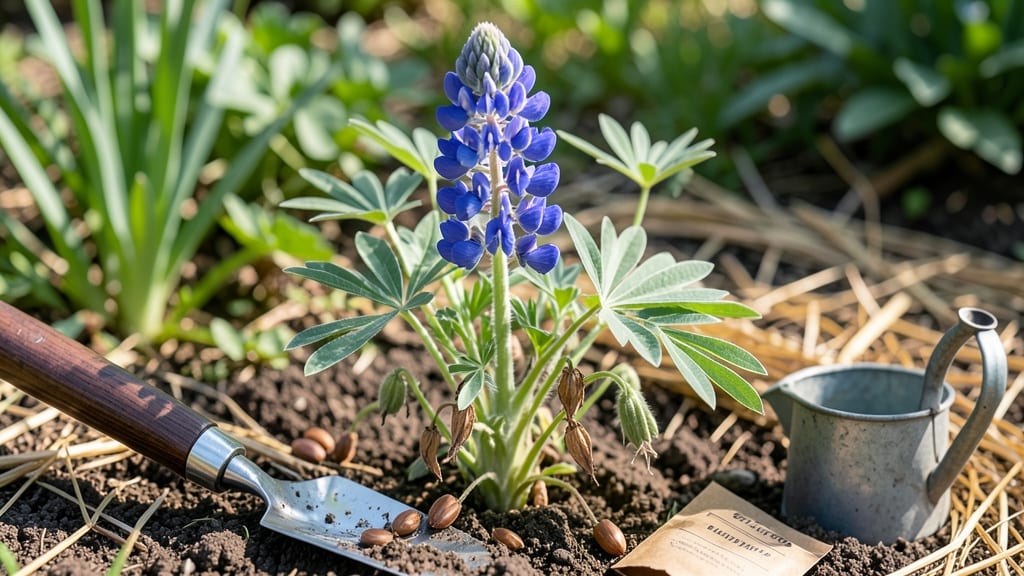
If you’ve ever dreamed of waking up to a South Texas landscape blanketed in 🌸 bluebonnets, the secret to making that vision a reality lies in knowing when to plant bluebonnet seeds in South Texas.
Timing is the secret ingredient—and getting it wrong could mean waiting another year for those iconic blooms.
The key to success? Planting your bluebonnet seeds between late September and early November, when soil temperatures are cool enough for germination but warm enough to avoid frost damage. This window isn’t just a suggestion—it’s the game-changer between a vibrant spring display and a failed attempt.
Why does this matter so much? Bluebonnets thrive in the mild winters of USDA Zones 9a-10a, but summer heat can be their downfall if seeds aren’t established early.
I’ll show you exactly how to align your planting schedule with South Texas’ climate to maximize blooms—and avoid the 3 most common mistakes that kill seeds before they even sprout.
Let’s cut to the chase: with the right timing, soil prep, and a little patience, you’ll have bluebonnets popping up like clockwork. Ready to turn your yard into a postcard-worthy paradise? Here’s how to make it happen.
Best months to plant bluebonnet seeds in South Texas for maximum blooms
South Texas gardeners know that bluebonnets (Lupinus texensis) thrive when planted at the right time—too early, and frost threatens tender seedlings; too late, and you’ll miss their spring blooming spectacle.
The key lies in understanding how soil temperatures and frost risk vary across South Texas’ microclimates, from San Antonio’s cooler hills to Brownsville’s warmer Gulf Coast. Here’s the exact planting schedule to guarantee vibrant blooms year after year.
Bluebonnets are cool-season annuals that germinate best when soil temperatures hover between 60°F and 70°F. In South Texas, this window opens in late September and closes by early November. Planting outside this range risks poor germination or frost damage before seeds establish.
For example, seeds sown in mid-August may sprout too early and get fried by summer heat, while those planted in December face light frost risk in northern zones like San Antonio (Zone 8b).
Here’s how soil temperature and frost risk break down by month for South Texas’ two main climate zones:
| Planting Window | Soil Temp (°F) | Frost Risk (San Antonio) | Frost Risk (Brownsville) | Germination Rate |
|---|---|---|---|---|
| Late September | 68–72°F | Low (avg. first frost: Dec 1) | None (Zone 9a+) | ⭐⭐⭐⭐⭐ (90%) |
| October | 60–68°F | Moderate (frost possible late Oct) | None | ⭐⭐⭐⭐ (85%) |
| Early November | 55–60°F | High (frost likely) | Low (rare frost) | ⭐⭐⭐ (70%) |
| Mid-November | 50–55°F | Very High (frost probable) | None | ⭐ (50%) |
| December | 45–50°F | Extreme (frost likely) | None | ⭐ (20%) |
For San Antonio (Zone 8b), aim to plant by October 15 to avoid frost. The hill country’s cooler nights drop temperatures faster than flatter regions, so monitor local forecasts.
In Brownsville (Zone 9a), you have until early November with zero frost risk, but soil temps dip below ideal by late November. Test soil temps with a soil thermometer—germination slows below 55°F.
Pro tip: If you miss the fall window, spring planting (February) is possible but risky. Seeds sown in spring compete with native grasses and struggle with summer heat stress.
For best results, stick to fall planting and let nature handle the rest. Bluebonnets self-seed aggressively, so a single successful fall planting can bloom for years.
One common mistake? Waiting for first frost to plant. By then, seeds won’t germinate before winter dormancy sets in. Instead, plant 6–8 weeks before your area’s first frost date—typically mid-October for San Antonio and early November for Corpus Christi.
This gives seedlings time to establish roots before temperatures drop.
Bluebonnets also benefit from winter rains, which naturally water newly planted seeds. In drier years, supplement with light watering (1/4 inch per week) until germination (2–4 weeks). Avoid overwatering—soggy soil causes seed rot. Once established, these drought-lovers need almost no extra water.
For maximum blooms, pair planting with light fertilization in September (use a 5-10-10 NPK blend at 1 tbsp per 10 sq ft). This boosts root growth without encouraging leafy, non-flowering growth. Skip spring fertilization—bluebonnets focus energy on blooming, not foliage, when days lengthen.
Remember: Bluebonnets are Texas natives, evolved to thrive in our unpredictable climate. By planting in the optimal fall window and respecting soil temperatures, you’ll enjoy vibrant blue carpets from March through May—year after year, with minimal effort. Happy planting! 🌸
How to prepare soil and plant bluebonnet seeds for South Texas conditions
Bluebonnets thrive in South Texas’ sun-drenched landscapes, but their success starts with the right soil preparation.
Unlike many plants, they prefer poor, well-draining soil—think sandy loam or native Texas clay amended with organic matter. Test your soil pH first; bluebonnets love slightly acidic to neutral soil (pH 6.0-7.5).
If your soil is heavy clay, mix in compost or coarse sand to improve drainage and aeration.
South Texas’ hot summers and mild winters mean bluebonnets need a sunny, open spot with at least 6 hours of direct sunlight daily. Avoid planting under trees or in shaded areas—bluebonnets won’t bloom well without full sun.
Clear any competing weeds or grasses before planting, as they’ll steal nutrients and water from your seedlings.
🌱 Step-by-Step Planting Guide for South Texas
- Soil Prep: Loosen top 2-3 inches of soil with a rake or tiller. Mix in 1 inch of compost or well-rotted manure.
- Seeding Time: Scatter seeds lightly on bare soil—no need to bury them! Just press them into the soil with your hand or a rake.
- Spacing: Space seeds 6-12 inches apart for a natural look or 3-4 inches apart for a denser meadow effect.
- Watering: Give seeds a light misting after planting, then water deeply once a week until germination (2-4 weeks).
- Mulching: Apply a thin layer of straw mulch (1/4 inch) to retain moisture and suppress weeds without smothering seeds.
Once your seeds are in the ground, watering consistency is key. Bluebonnets are drought-tolerant but need steady moisture during germination. After sprouting, reduce watering to once every 10-14 days unless South Texas hits a dry spell.
Overwatering is a common mistake—soggy soil causes seed rot and fungal diseases.
For post-planting care, focus on minimal intervention. Bluebonnets are self-sufficient perennials that reseed naturally. In early spring, you might spot volunteers (new plants) popping up—let them grow! If your bluebonnets look leggy or sparse, a light fertilizer (5-10-10) in September can boost next year’s blooms.
Pro tip: Mulch lightly in winter months to protect seedlings from freezing temperatures (South Texas’ rare frosts can damage young plants). Use straw or pine needles—avoid thick layers, which can smother seeds.
By March, your bluebonnets should reward you with vibrant blue blooms that last until May.
First-time growers, don’t stress! Bluebonnets are forgiving—even if you miss the perfect window, they’ll recover in spring. The key is preparing the soil right and giving them sun, space, and patience. With these steps, your South Texas landscape will bloom with bluebonnets for years to come. 🌸