
Plants
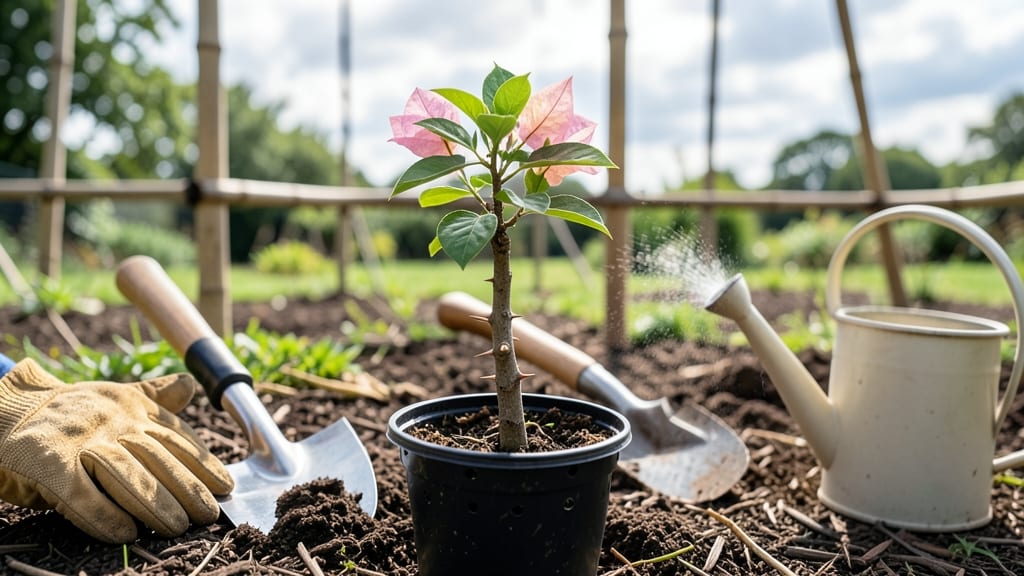
Planting bougainvillea in Arizona isn’t just about timing—it’s about catching that sweet spot between the first autumn rains and the summer heat. Miss the window, and you’ll end up with a wilted shrub instead of the vibrant 🌸 blooms you crave.
Most gardeners in USDA Zone 9b swear by November through March as the ideal planting window, but there’s more to it than just the calendar. The key is understanding how Arizona’s microclimates—from Phoenix’s desert heat to Flagstaff’s cooler highlands—affect your bougainvillea’s survival.
Here’s the game-changer: Plant too early, and frost (yes, even in Arizona!) can sneak in. Too late, and the summer sun will fry your new plant before it takes root. I’ll break down the exact signs to watch for and how to prep your soil for success.
Ready to turn your yard into a year-round bougainvillea paradise? Let’s dive into the easiest way to time your planting for maximum blooms and minimal stress.
Best months to plant bougainvillea in Arizona’s climate zones
Arizona’s diverse climate zones offer unique opportunities for growing bougainvillea, but timing your planting correctly ensures vibrant blooms year-round. The Valley of the Sun (Phoenix) and Southern Arizona (Tucson) have different microclimates than Flagstaff’s high desert, each requiring tailored planting windows.
Understanding these zones helps you avoid heat stress or late-season drought, both of which can stifle growth.
In Arizona, fall planting (October–March) is ideal because cooler temperatures allow roots to establish before summer’s brutal heat. However, spring planting (March–April) can work in cooler high-desert areas like Flagstaff. The key is avoiding extreme heat and monsoon downpours, which can drown young plants.
Let’s break down the best months for each zone, including soil prep tips to set your bougainvillea up for success.
Bougainvillea thrives in USDA Zone 9b, but Arizona’s elevation variations create microclimates with distinct planting windows. For example, Phoenix (Zone 10a) can plant slightly later than Tucson (Zone 9a) or Flagstaff (Zone 7b). Each zone’s temperature thresholds and rainfall patterns dictate the optimal planting period, ensuring your plant avoids stress during critical root development.
Below is a detailed comparison of the best planting months for Arizona’s three key zones, including soil preparation steps and temperature guidelines to follow.
In Phoenix (Zone 10a), the coolest months (November–February) offer the perfect balance of moderate temperatures and lower humidity, reducing the risk of fungal diseases. The soil should be well-draining—Arizona’s clay-heavy soil can suffocate roots, so amending with perlite or coarse sand is a game-changer.
I’ve found that planting after the first autumn rains gives bougainvillea a natural head start, as the moisture helps roots establish before summer’s heat arrives.
For Tucson (Zone 9a), the extended fall window (October–March) allows for flexibility, but November and December are peak months. Tucson’s higher elevation means slightly cooler nights, which is ideal for root growth.
I always test the soil pH—bougainvillea prefers slightly acidic to neutral soil (6.0–7.0)—and add composted manure to boost nutrients. The key here is to avoid planting too early, as unpredictable rains can lead to root rot.
In Flagstaff (Zone 7b), the climate is far cooler, and spring (April–May) or early fall (September) are the only safe windows. Flagstaff’s shorter growing season means bougainvillea must establish roots quickly.
I recommend using container gardening if your last frost date is a concern—you can move pots indoors during unexpected cold snaps. The soil should be sandy and well-aerated, and I always mulch with pine needles to mimic the plant’s natural habitat.
One common mistake I see in Arizona gardens is planting bougainvillea too late in spring. By April, daytime temperatures in Phoenix and Tucson can already exceed 90°F, causing transplant shock
Critical signs your bougainvillea needs immediate planting (Arizona-specific)
Arizona’s monsoon season and soaring summer temperatures create a narrow window for bougainvillea planting. If you’ve missed the ideal November-March window, watch for these urgent warning signs that your plant needs immediate attention to survive the desert heat.
First, check your soil temperature—if it’s consistently above 70°F, your bougainvillea’s roots are at risk of heat shock. Use a soil thermometer to confirm, as overheated soil can kill young plants before they establish. This is especially critical in low-desert areas like Phoenix and Tucson.
Next, monitor rainfall patterns. If the monsoon rains have already passed without your bougainvillea being planted, the lack of natural moisture can dry out nursery pots quickly. Wilted leaves or crispy edges are clear distress signals that demand action.
⚠️ EMERGENCY PLANTING ALERT
If you see yellowing leaves or drooping vines in your potted bougainvillea, plant within 48 hours or use shade cloth (30-50%) to protect it. Late plantings need extra mulch (3-4 inches) to retain moisture during Arizona’s brutal summer.
🌱 Pro Tip: Water deeply before planting to reduce transplant shock.
For late-season plantings, create a shade microclimate using lightweight shade cloth (50% block) to ease the transition. Secure it 3-4 feet above the plant to allow airflow while reducing direct sunlight exposure by 30-40%. This mimics the natural shade bougainvillea would receive in its native Brazilian habitats.
Apply a thick layer of mulch (2-3 inches) around the base to lock in moisture and regulate soil temperature. Use organic mulch like wood chips or straw, which also improves soil structure over time. Avoid plastic mulch, as it can overheat roots in Arizona’s intense sun.
Finally, water deeply at planting—aim for 1-2 gallons per plant—and maintain this schedule until the monsoon rains return. Morning watering is best to reduce evaporation and prevent fungal diseases. With these adjustments, even late plantings can thrive and bloom beautifully by summer.