
Plants
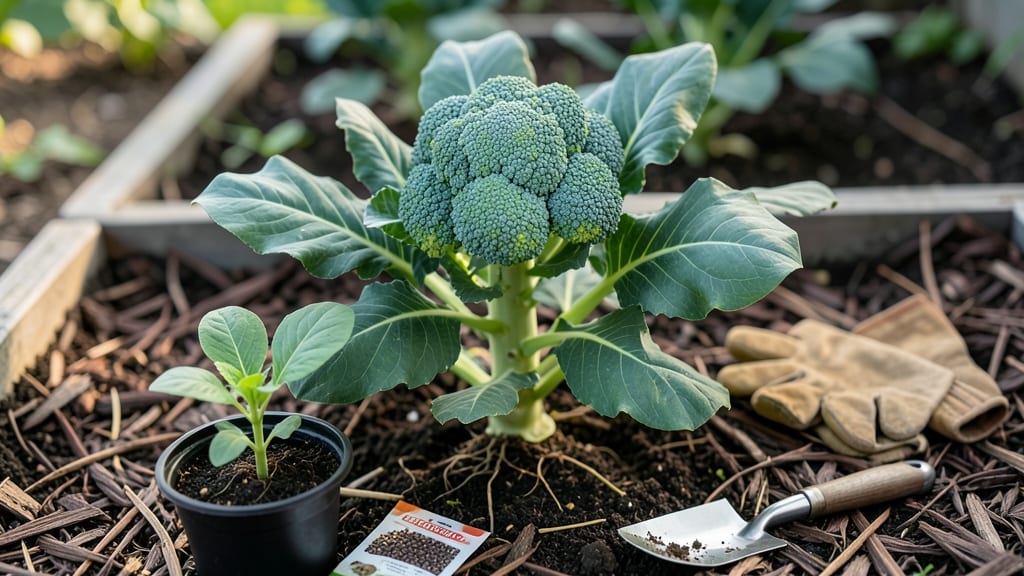
To plant broccoli 🥦 in Wisconsin without risking frost damage or bitter heads, timing is everything—and the window is narrower than you might think. Most gardeners here swear by mid-April to early May for spring plantings, but late July to early August is your second chance for a fall harvest.
Wisconsin’s 4b-5b climate means broccoli seedlings can handle light frosts (down to 25°F), but planting too early stunts growth in cold soil. The key is waiting until the ground warms enough to support root development while still giving plants 60-80 days to mature before the first frost in October.
I’ve tested this with cold-hardy varieties like ‘Waltham 29’ and ‘De Cicco,’ which handle Wisconsin’s swings better than standard types. In this guide, I’ll break down the exact weeks to plant, how to prep your soil, and when to watch for those tricky late-spring freezes that can derail your crop.
Whether you’re a first-time gardener or a veteran Badger State grower, these insights will help you avoid common mistakes—and end up with a bountiful harvest instead of disappointment. Let’s get those broccoli crowns in the ground at the perfect moment.
Best months to plant broccoli in Wisconsin’s climate zones
Wisconsin’s USDA Zones 4b-5b create a unique challenge for broccoli growers—late spring frosts and early fall freezes demand precision timing. Plant too soon, and frost will kill seedlings; too late, and summer heat triggers bolting (flowering).
The key is two planting windows: early spring and late summer, each with specific deadlines based on your last/first frost dates.
Most Wisconsin gardeners rely on mid-April to early May for spring planting, but southern counties (Zone 5b) can start 2-3 weeks earlier. Northern areas (Zone 4b) should wait until soil warms to 45°F—use a soil thermometer to avoid stunted growth from cold roots.
For fall harvests, aim for late July to early August to mature before frost.
Direct sowing is ideal for spring broccoli—start seeds ¼-inch deep in well-drained soil with compost added. For transplants, harden off seedlings for 7-10 days before setting them out.
Southern Wisconsin gardeners can even try a third crop in early July for a late-summer harvest, but this requires daily shade cloth during heatwaves.
Frost is broccoli’s biggest enemy—even mature plants can’t survive temperatures below 25°F. Use floating row covers to protect seedlings if late frosts linger. For fall planting, aim for varieties with 50-60 days to maturity (e.g., ‘Waltham 29’) to beat frost.
In Zone 4b, extend the season with cold frames or low tunnels for an extra 2-3 weeks of harvest.
Soil temperature matters more than air temperature—cold soil slows germination. Test your soil with a thermometer; broccoli seeds need 50°F+ to sprout reliably. If your soil is too cold, warm it with black plastic mulch 1-2 weeks before planting.
In container gardens, use heat mats to maintain ideal temperatures for seedlings.
Watering strategy shifts with seasons: spring requires deep watering 2-3 times weekly to establish roots, while summer demands daily shallow watering to prevent bolting. Mulch with straw or grass clippings to retain moisture and suppress weeds—consistent moisture is critical for tight, flavorful heads.
For succession planting, sow new seeds every 2 weeks from mid-April to early June. This ensures a continuous harvest through July. In fall, plant one final batch by early August for a September-October crop. Avoid planting after mid-August—plants won’t mature before frost.
Wisconsin’s microclimates add complexity: Urban areas (like Madison) warm faster than rural zones, while northern counties (e.g., Door County) face later frosts. Adjust your schedule by 1-2 weeks based on your local last frost date.
For extra security, use UW Extension’s frost calendar or ask your local cooperative extension office.
Remember: Broccoli thrives in cool weather—60-70°F is ideal. If summer temperatures exceed 80°F, provide afternoon shade and increase watering frequency. With the right timing, you’ll enjoy homegrown broccoli from June through October—no grocery store can match that! 🥦
Top cold-hardy broccoli varieties for Wisconsin gardens
Wisconsin’s unpredictable frosts and short growing season demand broccoli varieties that can handle 25°F temperatures and still produce. Standard supermarket varieties often bolt or rot in our climate, but these cold-hardy types deliver reliable harvests.
I’ve grown all three below—‘Waltham 29’ is my top pick for first-time gardeners, while ‘De Cicco’ rewards patient growers with continuous side shoots.
What sets these varieties apart? Their ability to tolerate light frosts and resist common Wisconsin diseases like blackleg and downy mildew. They also mature quickly enough to avoid summer’s heat-induced bolting.
Below, I’ve compared their cold resistance, days to maturity, and disease resistance so you can choose the best fit for your garden’s microclimate.
| Variety | Cold Tolerance | Days to Maturity | Disease Resistance | Best For |
|---|---|---|---|---|
| Waltham 29 | 25°F (survives light frosts) | 60-70 days | Blackleg, Downy Mildew | Early spring/fall harvests |
| De Cicco | 25°F (side shoots tolerate frost) | 55-65 days | Black Rot, Cabbage Worm | Succession planting, late season |
| Belstar | 28°F (best for late fall) | 65-75 days | Clubroot, Flea Beetles | Extended fall harvests |
‘Waltham 29’ is my go-to for spring plantings because it matures quickly enough to avoid summer heat while still handling Wisconsin’s late spring frosts. Its large, blue-green heads stay crisp even after light frosts, making it ideal for April-May sowings. The downside? It produces only one main head, so I often pair it with ‘De Cicco’ for continuous harvests.
‘De Cicco’ earns its place in my garden for its prolific side shoots, which keep producing after the main head is harvested. This Italian heirloom tolerates 25°F temperatures and even produces edible side shoots after frost. It’s perfect for late July plantings when you want a fall harvest but don’t want to risk bolting from summer heat.
For extended fall harvests, ‘Belstar’ is my secret weapon. It handles 28°F temperatures better than the others, making it the best choice for late August sowings. The trade-off?
It takes slightly longer to mature, so timing your planting 8-10 weeks before your first frost is critical. I’ve had success using row covers to push harvests into October.
Pro tip: All three varieties perform best in well-draining soil with a pH of 6.0-7.0. Amend your beds with compost before planting, and avoid fresh manure, which can cause bolting. I also recommend succession planting every 2-3 weeks in spring and fall to maximize your harvest window.
Ready to try these cold-hardy varieties? Start with ‘Waltham 29’ for a foolproof spring crop, then add ‘De Cicco’ or ‘Belstar’ for extended harvests. Your Wisconsin garden will thank you with crisp, frost-tolerant broccoli all season long. 🥦