
Plants
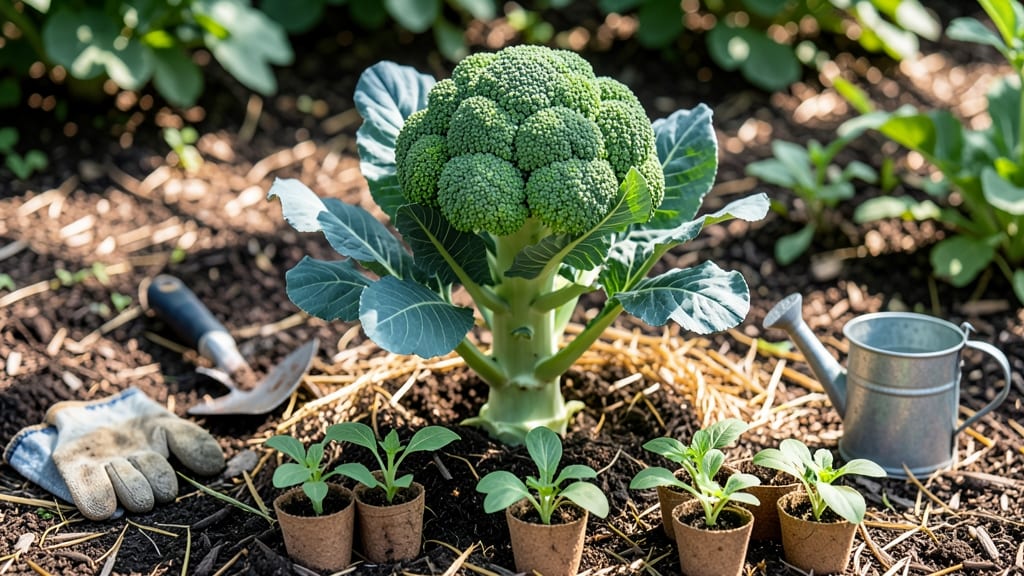
Planting broccoli in Zone 5 at the wrong time can turn your 🥦 dreams into bitter disappointment—think bolted greens or stunted growth instead of a lush harvest. The key isn't just picking a random date; it's syncing your variety with frost-free windows to maximize flavor and yield.
Most gardeners in Zone 5 know spring is the prime window, but did you know fall plantings can be just as productive? I’ll break down the ideal planting timeline for both seasons, including when to start seeds indoors versus direct-sowing for each broccoli type.
Whether you’re growing early varieties like 'Waltham 29' or late-season 'De Cicco,' timing matters. Miss the 4-6 week pre-frost window for spring, and you risk heat stress. Plant too late in fall, and frost will nip your crop before harvest.
Let’s dive into the exact dates, soil temps, and care tips to ensure your broccoli thrives—no guesswork, just a foolproof plan for peak yields in Zone 5.

Optimal broccoli planting dates in Zone 5 by variety type
In Zone 5, broccoli thrives when planted during two key windows: early spring and late summer. The average last frost date is April 15, while the first frost typically arrives October 15.
However, your exact timing depends on the variety—early types like 'De Cicco' bolt faster, while 'Calabrese' varieties mature more slowly. Soil temperatures below 40°F can stunt germination, so wait until the soil warms to at least 45°F for spring plantings.
For spring broccoli, start seeds indoors 4-6 weeks before your last frost date. Transplant seedlings outdoors 2-3 weeks before the final frost, when soil temperatures consistently stay above 45°F.
This ensures strong root establishment before summer heat arrives. Fall plantings require a different approach—sow seeds 8-10 weeks before the first frost to allow heads to mature before cold sets in.
Direct-sowing broccoli seeds is an option for Zone 5 gardeners, but timing is critical. For spring, sow seeds 1/4 inch deep when soil temperatures reach 45°F and all frost risk has passed. In fall, aim for July 15-August 1 to ensure heads mature before frost.
If you miss these windows, consider container growing—broccoli thrives in pots with 12+ inches of depth and can be moved indoors during heatwaves.
Soil temperature plays a pivotal role in germination success. Use a soil thermometer to monitor conditions—'De Cicco' germinates best at 40-45°F, while 'Calabrese' prefers 50-55°F. If your soil is too cold, try black plastic mulch to warm it faster.
For fall plantings, focus on varieties like 'Waltham 29', which tolerates cooler soils and shorter daylight hours better than others.
Extend your harvest by planting succession crops every 2-3 weeks during spring and fall. This staggered approach ensures a steady supply of broccoli heads. For example, start with 'De Cicco' in early spring, followed by 'Waltham 29' 3 weeks later, and finish with 'Calabrese' in late spring.
In fall, reverse the order—plant 'Calabrese' first (earliest) and 'De Cicco' last (latest).
Watch for bolting, where broccoli flowers prematurely due to heat or stress. If your plants bolt in early summer, switch to shade-tolerant varieties
How to extend your broccoli harvest season in Zone 5
Extending your broccoli harvest in Zone 5 isn't just about planting once—it's about strategic timing and protective measures to prevent bolting. The key is to adjust planting windows for both spring and fall crops while using tools like row covers and shade cloth to create ideal growing conditions.
I've found that combining succession planting with soil amendments can add 4-6 extra weeks to your harvest season.
For spring plantings, start with 'De Cicco' in early March, followed by 'Waltham 29' and 'Calabrese' every 2-3 weeks. This staggered approach ensures continuous harvests. In fall, focus on varieties like 'Waltham 29' and 'Green Goliath', which tolerate cooler temperatures better.
Plant these 8-10 weeks before your first frost date to guarantee mature heads before cold sets in.
- Succession Planting: Sow seeds every 2-3 weeks from March to August for continuous harvests. Use shade cloth (30-50%) during summer to prevent bolting.
- Row Covers: Apply floating row covers in early spring to warm soil faster and protect seedlings from frost. Remove when plants are established to prevent overheating.
- Shade Cloth: Use 30-50% shade cloth during summer heatwaves to maintain cool soil temps (70°F or below). This prevents bolting in fast-maturing varieties like 'De Cicco'.
- Soil Amendments: Add compost and aged manure before planting to improve soil fertility. Aim for a pH of 6.0-7.0—broccoli thrives in slightly acidic to neutral soil.
- Container Growing: Grow broccoli in 12-inch-deep pots for flexibility. Move containers to shaded areas during summer or bring them indoors if temperatures exceed 80°F.
Don't overlook the power of companion planting to extend your harvest. Pair broccoli with dill or onions to deter pests like cabbage moths, which can stress plants and trigger bolting.
I've also noticed that mulching with straw helps retain moisture and regulate soil temperature, which is crucial during Zone 5's unpredictable spring and fall weather.
For fall crops, prioritize 'Waltham 29' and 'Green Goliath'—both tolerate cooler soils and shorter daylight hours. If frost threatens before harvest, use low tunnels or hoop houses to create a microclimate.
These structures can add 2-3 extra weeks of growing time by trapping heat and protecting plants from early cold snaps.
Finally, monitor your plants closely for signs of stress. Yellowing leaves or stunted growth often signal bolting. If you catch it early, prune the main head and let side shoots develop—this can still yield 30-50% of your original harvest.
With these strategies, you can enjoy fresh broccoli from May through October in Zone 5.