
Plants
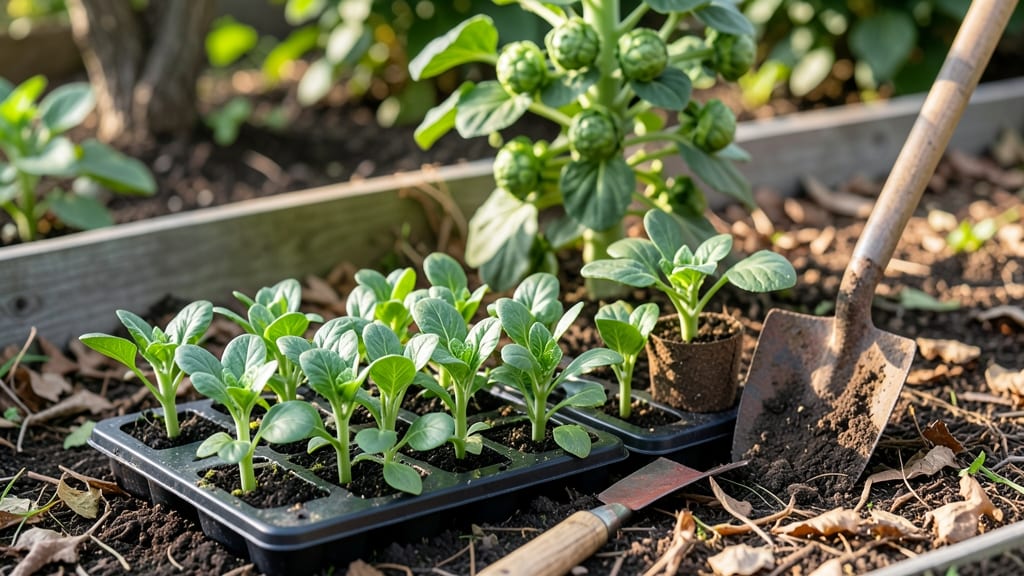
Planting Brussel sprouts 🌱 at the wrong time in Virginia means missing out on those sweet, crisp harvests you’ve been dreaming of. The key to success? Timing your plantings around frost dates to match your specific region—whether you’re in the cooler mountains or warmer coastal areas.
I’ve grown Brussel sprouts in Virginia for years, and the difference between a bountiful harvest and a disappointing one often comes down to when you put those seeds in the ground.
Too early, and you’ll risk bolting; too late, and the plants won’t mature before frost. Let me walk you through the exact planting windows for your area.
From the Piedmont’s mild winters to the mountains’ chilly nights, each Virginia region has its own ideal schedule. We’ll cover whether to start seeds indoors or sow directly, plus how to adjust for late frosts or unexpected heat waves.
By the end, you’ll know exactly when to plant for the best flavor and yield—no guesswork needed.
Ready to grow Brussel sprouts that taste like they came from a farmstand? Let’s dive into the frost-date calculator and planting calendar tailored just for Virginia gardeners.
Virginia frost-date planting zones for Brussel sprouts success
Virginia’s diverse climate—from the mild coastal plains to the cool mountain valleys—means your Brussel sprout planting timeline should match your USDA Zone 6b-7b frost dates. Plant too early, and frost will kill tender seedlings. Plant too late, and your harvest shrinks before winter sets in.
The key is timing: fall harvests (most common) or spring harvests (less common but possible). Let’s break down the exact windows for Virginia’s three main regions.
Brussel sprouts are cool-season crops, thriving in 50-70°F soil and 55-65°F air temperatures. In Virginia, this means planting in early spring (for fall harvest) or late summer (for spring harvest).
Coastal areas like Norfolk (Zone 7b) have later frost dates than the Piedmont (Zone 7a) or Mountains (Zone 6b), so adjust accordingly. For example, Roanoke’s first frost is October 20-25, while Richmond’s is November 5-10.
Here’s the critical comparison: direct-sow vs. transplant timing, and how frost dates dictate your harvest window. Use this table to pinpoint the best 60-90 day growing window for your region, ensuring you avoid bitter sprouts from heat stress or bolting from warm nights.
| Region | USDA Zone | First Frost | Last Frost | Direct-Sow Window | Transplant Window | Harvest Time |
|---|---|---|---|---|---|---|
| Coastal (Norfolk, Virginia Beach) | 7b | Nov 15-20 | Feb 15-20 | Mar 15-Apr 15 (spring) or Aug 15-Sep 15 (fall) | Mar 1-Apr 10 (spring) or Aug 1-Aug 30 (fall) | Oct-Nov (spring) or Apr-May (fall) |
| Piedmont (Richmond, Charlottesville) | 7a | Oct 25-Nov 5 | Feb 20-Mar 5 | Mar 1-Apr 10 (spring) or Aug 10-Sep 10 (fall) | Feb 25-Mar 25 (spring) or Jul 25-Aug 25 (fall) | Sep-Oct (spring) or Mar-Apr (fall) |
| Mountains (Roanoke, Blacksburg) | 6b | Oct 10-20 | Feb 10-20 | Feb 20-Mar 20 (spring) or Jul 20-Aug 15 (fall) | Feb 15-Mar 15 (spring) or Jul 15-Aug 10 (fall) | Aug-Sep (spring) or Feb-Mar (fall) |
🌱 Note: Adjust 1-2 weeks earlier for high-elevation areas (e.g., Shenandoah Valley) or later for urban heat islands (e.g., Petersburg).
For fall harvests (the most common approach), plant Brussel sprouts in late summer so they mature before first frost. In the Piedmont, aim for August 10-September 10—this gives you a 90-day window to harvest before October 25-November 5.
In the Mountains, shift to July 20-August 15 to avoid early frosts. Coastal gardeners can push to September 15 for a later harvest.
If you prefer spring harvests, plant in early spring (February-March) for a summer harvest. This works best in Zone 6b (Mountains), where last frost is February 10-20. In Zone 7a/b
Step-by-step planting calendar for Virginia gardeners
Virginia’s diverse climate means your Brussel sprout planting schedule should shift depending on whether you’re in the Coastal Plain, Piedmont, or Mountains. The goal? Plant when soil temperatures hit 45°F (7°C)—cool enough to prevent bolting but warm enough for germination.
For most Virginia regions, this means two planting windows: early spring (March-April) and late summer (July-August) for fall harvests.
I’ve found that direct-sowing works best for Virginia gardeners, but starting seeds indoors 6-8 weeks before the last frost date gives you an edge in cooler mountain areas. Below is your month-by-month guide, complete with soil temp requirements, spacing rules, and companion plants to boost yields.
Pro tip: Use a soil thermometer—Brussel sprouts won’t germinate below 40°F (4°C), even if the air feels warm.
- Step 1
- Start seeds indoors (Mountains) or direct-sow (Coastal)
- Spacing: 18-24 inches apart in rows 30 inches apart
- Companion plants: Bush beans, lettuce, or onions deter pests
Soil Temp: 45-55°F (7-13°C)
- Step 2
- Transplant indoor starts (harden off first!) or succession-sow every 2 weeks
- Mulch with straw to retain moisture and prevent bolting
- Watch for cabbage worms—handpick or use row covers
Soil Temp: 55-65°F (13-18°C)
- Step 3
- Direct-sow for fall harvests—these plants love cool weather!
- Spacing: 12-18 inches apart (tighter for smaller varieties)
- Fertilize with 5-10-10 at planting and again in August
Soil Temp: 60-70°F (16-21°C)
- Step 4
- Harvest begins when sprouts reach 1-1.5 inches (pick from bottom up!)
- Protect from late frosts with row covers or cloches
- Companion plants: Garlic or thyme improve flavor and deter pests
Soil Temp: 50-60°F (10-16°C)
- Step 5
- If frost threatens, cover plants with blankets or row covers
- For unseasonable heat, provide afternoon shade with shade cloth
- Extend season with cold frames for late harvests in November
For Late Frosts or Heat Waves
One of my biggest lessons? Don’t skip the late-summer planting. While spring Brussels are delicious, the fall harvests—grown in Virginia’s crisp autumn air—develop the sweetest, most tender sprouts.
I’ve had gardeners in the Piedmont swear by August 15th as their magic date for direct sowing, while mountain growers wait until early September to avoid summer bolting.
Remember: Brussel sprouts need consistent moisture—about 1-2 inches per week—but avoid soggy soil. Mulch heavily to keep roots cool and water deeply in the morning to prevent fungal diseases.
With this calendar, you’ll know exactly when to plant, space, and protect your sprouts for a harvest that’ll make your neighbors jealous.
🌱