
Plants
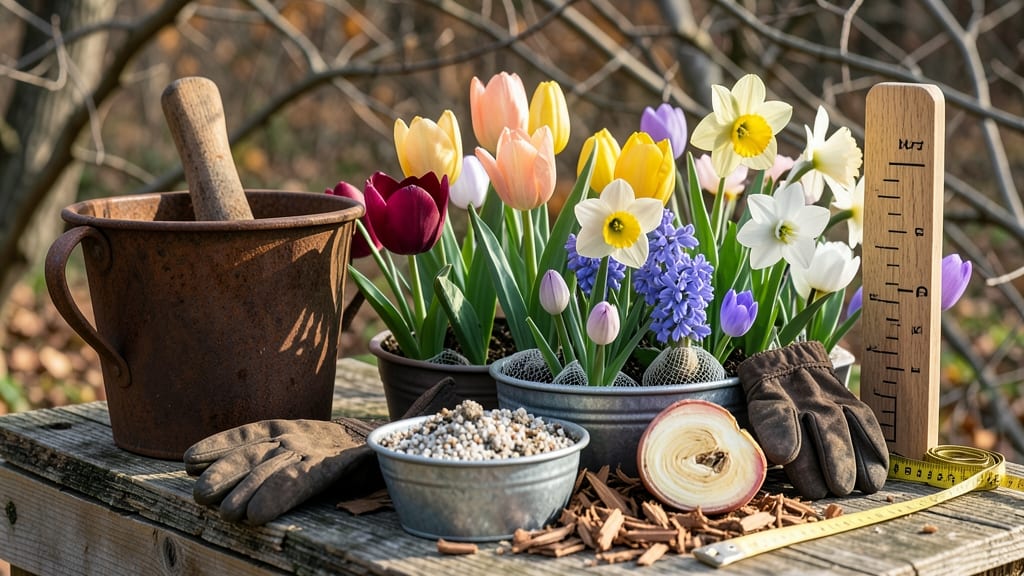
Planting bulbs in Kentucky isn't just about waiting for fall—it's about matching your 🌷 varieties to the 6a-7a chill hours that trigger their spring blooms. Skip the guesswork and learn exactly when to plant for maximum impact, whether you're dreaming of tulips or daffodils.
Most gardeners know fall is the prime window, but Kentucky's October 15 frost date creates a tight schedule. We'll break down the 6-week rule for fall planting and why some bulbs actually thrive when planted in early spring instead.
Your location matters too—Louisville's milder winters differ from Eastern Kentucky's colder zones. I'll show you how to adjust timing based on your microclimate for healthier roots and bigger blooms next spring.
Ready to avoid common mistakes like planting too early or skipping soil prep? Let's dive into the perfect schedule for your Kentucky garden, so you can enjoy vibrant blooms without the frustration.
Kentucky’s chill-hour zones: matching bulbs to your microclimate
Kentucky’s USDA Hardiness Zones 6-8 create unique challenges for bulb gardeners. While chill-hour requirements (0-30°F) determine when bulbs bloom, Kentucky’s microclimates—like warmer Louisville or cooler Eastern Kentucky—shift ideal planting windows dramatically. Understanding these regional exceptions ensures your tulips, daffodils, and crocuses thrive despite unpredictable winters.
Most spring-flowering bulbs need 6-8 weeks of cold dormancy before blooming.
In Zone 6a (Eastern KY), this means planting October 15-November 15, while Zone 7b+ (Louisville) extends the window to November 1-December 1. Chill-hour needs vary too—tulips require 12-15°F for 10-15 weeks, while daffodils tolerate 20-30°F for 6-8 weeks.
Here’s how Kentucky’s microclimates affect your planting strategy:
For Zone 6a gardeners, prioritize early-blooming bulbs like crocuses and snowdrops, which tolerate shorter chill periods.
In Zone 7b+ areas, extend your fall window by planting daffodils and alliums—they handle warmer winters better than tulips. Louisville’s urban heat island often delays frost, so wait until late November for tulips to avoid rot from soggy soil.
Soil temperature is just as critical as air temperature. Use a soil thermometer to confirm 50-60°F soil before planting in fall. Cooler soils (below 50°F) can stunt root growth, while warmer soils (above 60°F) risk premature sprouting.
In Eastern Kentucky, aim for October planting; in Western KY, delay until November to avoid early freezes.
Mulching after planting adds 5-10°F protection in Zone 6a but can cause rot in Zone 7b+ if applied too thickly.
Use 2-3 inches of straw in cooler zones, but skip mulch in Louisville’s microclimates where winters are milder. Well-draining soil is non-negotiable—clay-heavy areas like Northern KY need sand or compost to prevent bulb rot.
Spring planting is a last-resort option for bulbs like caladiums or cannas, which thrive in Zone 7b+ heat. Plant these after May 15 when soil warms to 70°F. Never plant spring bulbs in fall—they’ll rot before winter.
For Eastern KY gardeners, focus on hardy species like trilliums, which naturalize easily in woodland gardens.
Watch for unpredictable frost in Appalachian regions, where late spring frosts can damage early bloomers. Louisville’s urban areas often experience 5-10°F warmer nights, so adjust planting dates 2-3 weeks later than rural zones. Test your microclimate by planting a trial row of tulips in both fall and spring to see
Fall planting timeline: the 6-8 week rule for Kentucky’s hardiness
Fall is the golden window for planting bulbs in Kentucky, but timing isn’t one-size-fits-all. The 6-8 week rule means planting bulbs 6-8 weeks before the ground freezes—typically between mid-October and early November for most of the state.
This timing ensures roots establish before winter dormancy, setting the stage for stunning spring blooms. Northern Kentucky’s colder microclimates (like USDA Zone 6a) need earlier planting, while southern regions (like Louisville’s Zone 7a) can push deadlines slightly.
Soil temperature is your critical benchmark. Aim to plant when soil temps drop to 60°F (15°C) but before hitting 50°F (10°C). This window—usually late September to early October—gives bulbs time to root while avoiding winter kill.
Use a soil thermometer to track temps if your garden’s microclimate varies. For example, Eastern Kentucky’s higher elevations freeze earlier, so start planting there by mid-September.
🌱 Kentucky Fall Bulb Planting Timeline
- Late September: Plant crocuses and snowdrops in Zone 6a (northern KY). Soil temps: 60-55°F.
- Mid-October: Tulips and hyacinths go in all zones. Soil temps: 55-50°F. Add bone meal for root boost.
- Early November: Daffodils and alliums planted in Zone 7a (southern KY). Soil temps: 50-45°F.
- Mid-November: Last call for Zone 6a. Only hardy daffodils (e.g., ‘Ice Follies’) survive late planting.
Different bulbs have unique chill-hour needs. Tulips require 12-16 weeks below 45°F (7°C), while daffodils need only 8-12 weeks. Kentucky’s climate delivers these chill hours naturally, but early planting ensures bulbs get their full dose.
For example, ‘Darwin Hybrid’ tulips planted in early October will bloom earlier than those planted in November—thanks to more accumulated chill time.
Prep your soil like a pro: Loosen soil to 12 inches deep and mix in compost or aged manure for drainage. Daffodils hate soggy soil—amend clay-heavy areas with sand or perlite. Plant bulbs 6 inches deep (or 3x their height) with the pointy end up.
Space tulips 4-6 inches apart and daffodils 6 inches apart to prevent crowding. Water deeply after planting to settle soil around roots.
Mulch is your secret weapon against Kentucky’s freeze-thaw cycles. Apply 3-4 inches of straw or shredded leaves after planting to insulate bulbs. Remove mulch in early spring to prevent rot. Avoid heavy mulch like wood chips, which can smother emerging shoots.
In Zone 6a, add a light layer of evergreen boughs for extra winter protection. This simple step can mean the difference between vibrant blooms and winter kill.
Watch for squirrel theft—a common Kentucky gardening nemesis! Plant daffodils (toxic to squirrels) near tulips to deter digging. For extra security, use chicken wire cages or plant bulbs in heavy clay soil, which squirrels avoid.
Mark planting spots with biodegradable flags to remember where bulbs are hidden. With the right timing and a little protection, your fall-planted bulbs will reward you with months of spring color—no matter Kentucky’s winter surprises.