
Plants
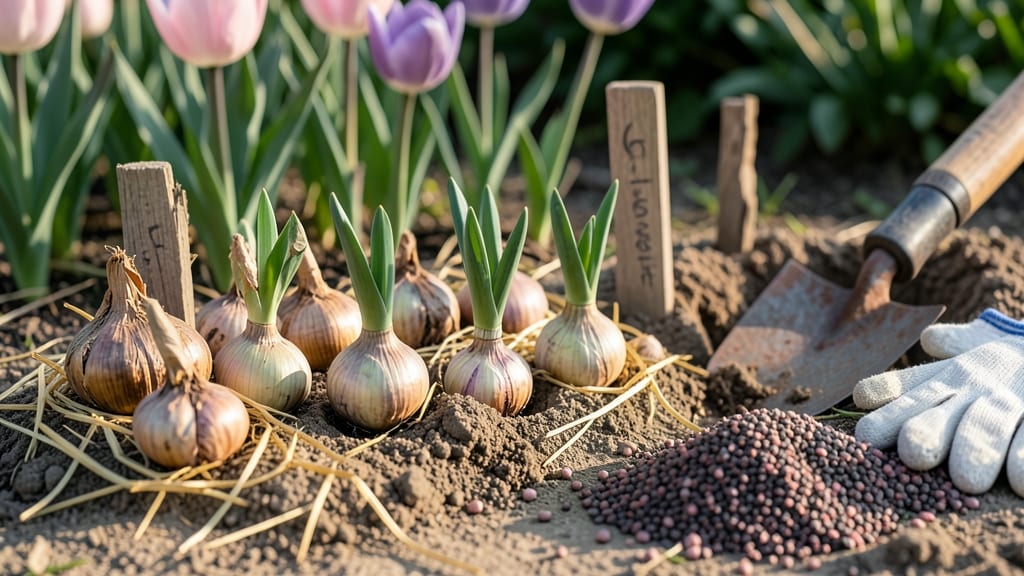
Planting your Spring-Planted Bulbs (General) 🌷 at the right time is the secret to show-stopping blooms that make your garden the envy of the neighborhood. Get it wrong, and you might end up with weak stems or no flowers at all—so timing isn’t just important, it’s everything.
Most gardeners in Zone 6a (like me!) know the general rule: aim for 4-6 weeks before the last frost. But what does that really mean for your specific bulbs?
Whether you’re planting tulips, daffodils, or hyacinths, the exact week matters more than you think—and I’ll break it down so you never second-guess your schedule again.
Here’s the game-changer: soil temperature and frost dates are your true guides, not just the calendar. I’ll walk you through how to adjust for early or late springs, plus the one trick that ensures your bulbs wake up strong and ready to bloom.
Let’s get those Spring-Planted Bulbs (General) in the ground the right way.
By the end, you’ll have a clear checklist, zone-specific timing, and pro tips to avoid common mistakes—so you can enjoy a garden that bursts into color like clockwork. Ready to dig in?
Spring bulb planting timeline by US hardiness zones
Getting your spring bulbs in the ground at the right time is the secret to show-stopping blooms. Plant too early, and frost can damage tender shoots. Plant too late, and you’ll miss the window entirely.
The key? Weeks before last frost—but that timing varies wildly across USDA hardiness zones 3-9. Let’s break it down so you can plant with confidence.
Most gardeners aim to plant spring-flowering bulbs like tulips, daffodils, and hyacinths 4-6 weeks before the average last frost date.
However, zones with earlier springs (like Zone 3) may need to plant in late summer or early fall, while warmer zones (like Zone 9) can wait until winter. Below, I’ve mapped out the exact planting windows for each zone.
Notice how Zone 3 and Zone 4 plant in the fall because their last frost comes much later. Meanwhile, Zone 9 can plant in winter since frost is rare. The goal is always to give bulbs 6-8 weeks of cool soil before shoots emerge.
Use a soil thermometer to confirm temps are below 60°F—this is your green light to plant.
Pro tip: If you’re in a transition zone (like Zone 5b or 6a), err on the earlier side of the window. Bulbs planted too late may not bloom as strongly. For container gardening, follow the same rules
How to adjust planting for early vs. late springs
Spring can be unpredictable—one year, the last frost sneaks up early, and the next, it lingers well into April. These shifts throw off even the most experienced gardeners.
The key to successful spring bulb planting lies in flexibility: knowing how to adjust your schedule based on soil conditions, not just the calendar.
I’ve learned the hard way that planting tulips or daffodils too early in a warm spring can rot them before they bloom, while waiting too late risks stunted growth.
Your first clue isn’t the weather forecast—it’s the soil temperature. Bulbs like hyacinths and crocuses need soil between 40-50°F to sprout safely. Use a soil thermometer (they’re cheap!) to check before planting.
In my Zone 6a garden, I’ve planted daffodils as early as late February when soil hit 45°F, only to have a late frost nip the shoots—so I now wait until March unless I’m using row covers.
For early springs, when frost dates arrive sooner than expected, shift your focus to cold-hardy bulbs like snowdrops or glory-of-the-snow. These tough guys can handle 32°F soil temps and even bloom under snow.
Plant them 6-8 weeks before your average last frost, but monitor for soil moisture—wet, cold soil is a recipe for rot. If you’re unsure, err on the side of waiting 2 weeks; bulbs stored properly in a cool, dark place won’t mind.
⚠️ callout warningBulbs planted in soil warmer than 50°F can prematurely sprout, leaving them vulnerable to frost damage. If your soil is above 45°F but frost is still possible, use row covers or wait until soil cools.
For late springs, plant 4-6 weeks before your historical last frost date, not the predicted one—Mother Nature has a sense of humor!
When spring drags its feet and frost lingers, delay planting but don’t panic. Bulbs can wait 8-10 weeks in a cool, dry place before planting. For late springs, prioritize heat-tolerant varieties like dahlias or canas, which handle warmer soil better.
Plant them shallower (4-6 inches deep) and mulch heavily to retain moisture. I once planted tulips in early April in a late spring, and while they bloomed, they were 3 weeks later than usual—still stunning, but not the showstopper I’d hoped for.
Extend your planting window with row covers or cold frames. These simple tools add 5-10°F protection and let you plant 2-3 weeks earlier in early springs or delay planting by a week in late springs. Just remove covers once shoots hit 4 inches tall to avoid overheating.
Pro tip: Use floating row covers—they’re easier to remove and won’t crush emerging stems. I’ve saved entire batches of hyacinths from frost damage this way, even in Zone 5.
Finally, observe your garden’s microclimates. South-facing beds warm up faster and are safer for early planting, while north-facing spots stay colder longer. If your yard has low spots where frost pools, avoid planting bulbs there until after the last frost—cold air sinks, and those bulbs will suffer.
I learned this the hard way with a tulip patch that refused to bloom for two years because I planted them too early in a frost pocket.
Adjusting for early or late springs is all about reading your soil, choosing the right bulbs, and using simple tools to your advantage. With these tweaks, you’ll turn unpredictable springs into a bloom-filled triumph—no matter what Mother Nature throws at you. 🌷