
Plants
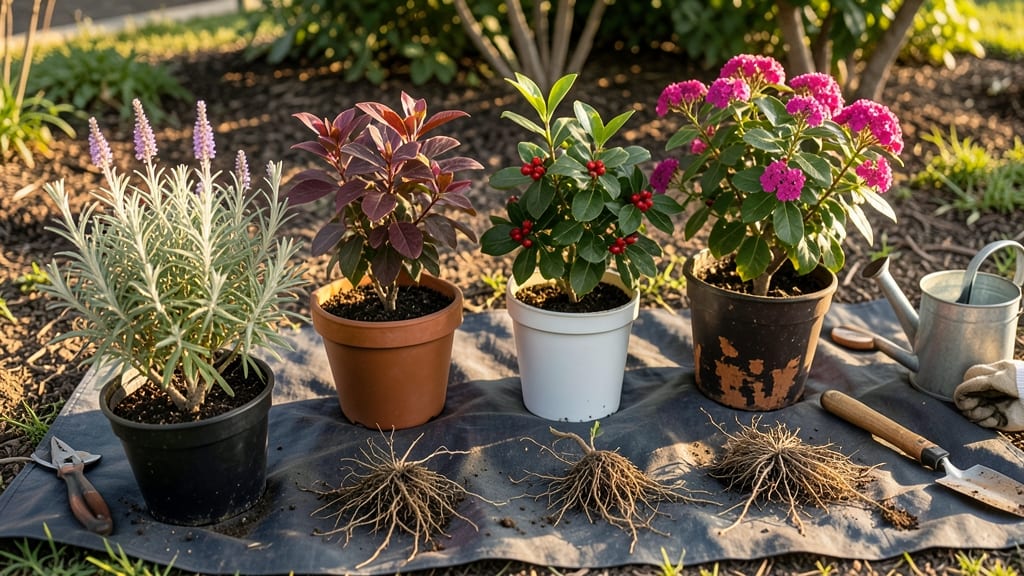
Planting bushes in Texas isn’t just about grabbing a shovel—it’s about timing your move to beat the brutal sun or surprise frosts.
Whether you’re in humid East Texas or the dry West, getting those roots down at the wrong time can mean wilting before your shrubs even get a chance to thrive.
But here’s the good news: with the right schedule, you’ll see lush, vibrant bushes that handle Texas’s extremes like pros.
Most gardeners swear by fall or spring as the best windows, but the exact month depends on where you live. In the North Texas chill, you might plant as early as February, while Gulf Coast gardeners can wait until April.
I’ll break down the perfect planting months for your region—plus how to prep soil and water like a local pro so your bushes take off without drama.
Don’t worry if you’re new to Texas gardening—this isn’t about memorizing a calendar. We’ll cover heat-tolerant varieties that won’t bolt in summer and evergreens that stay green year-round.
Whether you’re filling a sunny yard or a shady corner, you’ll leave here knowing exactly when to dig, how deep to go, and what to watch for in the weeks after planting.
The key to successful bush planting in Texas? Start now—before the next heatwave hits. By the end of this guide, you’ll have a clear roadmap to turn your yard into a thriving oasis, no matter which part of the Lone Star State you call home.
Texas bush planting calendar by region: optimal months for success
Texas’s diverse climate—from the humid East to the arid West—means planting bushes at the wrong time can spell disaster. In East Texas, excessive moisture and heat demand early spring planting, while West Texas’s drought conditions favor fall establishment.
Even the Gulf Coast’s coastal breezes shift ideal windows. Understanding your USDA hardiness zone (8a-11) and last frost dates is critical.
For most evergreen bushes like Yaupon holly, fall planting (September–November) gives roots time to establish before summer’s brutal heat. Deciduous varieties, such as Crape myrtle, thrive when planted in early spring (February–March), avoiding summer’s stress. Flowering bushes like Mexican petunia also prefer spring, but coastal regions can extend windows slightly due to milder winters.
Here’s your region-specific planting guide, including frost-free dates and seasonal adjustments to ensure your bushes thrive year-round.
In East Texas, where summers are oppressive and winters mild, spring planting (February–March) is ideal for most bushes. The humidity levels can lead to fungal issues, so ensure well-draining soil and avoid overhead watering. Fall planting (September–October) also works, allowing roots to establish before summer’s arrival.
Popular choices like Camellia and Gardenia thrive here but need acidic soil (pH 5.0–6.0).
Central Texas’s variable climate makes it the most adaptable region. Both spring (February–March) and fall (September–November) planting succeed, but avoid summer heat stress. Crape myrtle and Texas Sage are stellar picks, but mulching (2–3 inches) is a must to retain moisture in the caliche-heavy soil common here.
For West Texas, fall planting (September–October) is non-negotiable. The arid conditions and 100°F+ summers make spring planting risky. Desert Willow and Yucca are native favorites, but all bushes need deep, infrequent watering to mimic natural rainfall patterns. Drip irrigation is your best friend here.
The Gulf Coast offers the longest planting windows (February–April and September–November) due to its milder winters. However, salty air and sandy soil demand salt-tolerant bushes like Coastal Rosemary. Amend soil with compost to improve drainage, and plant in raised beds if your yard floods easily.
Regardless of region, water deeply after planting—1–2 gallons per small bush—and mulch (3 inches) to lock in moisture. Evergreens need consistent watering, while deciduous bushes can handle slight drought once established. Adjust for microclimates: Urban areas heat up faster, so plant 2–
How to adjust planting times for Texas microclimates and soil types
Texas’s diverse microclimates and soil types can drastically alter planting success. Urban areas like Austin or Houston experience heat islands where pavement traps heat, while rural West Texas faces sandy loam that drains too quickly.
Even clay-heavy soils in East Texas hold moisture but suffocate roots if not amended. Adjusting your planting schedule based on these factors ensures your bushes thrive.
For urban gardeners, container planting or raised beds can mitigate heat stress. In drought-prone zones, opt for fall planting (September–November) to establish roots before summer.
Meanwhile, coastal areas like the Gulf Coast benefit from spring planting (February–March) to avoid hurricane season disruptions. Understanding these nuances lets you fine-tune timing for optimal growth.
- 1 Urban Heat Islands: Plant deciduous bushes in fall (Sept–Nov) to avoid summer heat spikes. Use light-colored mulch to reflect sunlight and reduce soil temps by 10–15°F.
- 2 Clay Soils: Amend with compost or sand before planting. Schedule spring (Feb–March) for evergreens to prevent waterlogging during wet winters.
- 3 Sandy Loam: Water deeply 2–3x/week after planting. Shift to summer (June–July) for drought-tolerant bushes like Texas sage or yaupon holly.
- 4 Container Gardening: Use self-watering pots and plant 2–4 weeks earlier than ground planting to extend the growing season in cities.
- 5 Raised Beds: Fill with 50% native soil + 50% compost. Plant spring (March–April) for fast-draining soils to prevent root rot.
If you’re dealing with clay-heavy soils, focus on amending the soil before planting. Mix in organic matter like compost or leaf mold to improve drainage. For sandy loam, prioritize water retention by adding hydromulch or peat moss.
These adjustments let you plant at optimal times without worrying about soil-related stress.
For container gardening in urban areas, choose compact varieties like dwarf yaupon holly or Mexican bush sage. Plant in early spring (February–March) to give roots time to establish before summer’s intensity. Use lightweight potting mix with perlite to prevent compaction and improve aeration.
In raised beds, especially in rural zones, layer the bed with cardboard and compost to create a fertile, well-draining environment. This setup lets you plant earlier in spring (as early as February) because the soil warms faster than ground soil.
Just ensure the bed has proper drainage holes to avoid waterlogging.
Finally, always mulch heavily (3–4 inches) to retain moisture and regulate soil temperature. In drought-prone areas, use straw or wood chips to reduce evaporation. With these adjustments, your bushes will thrive regardless of Texas’s microclimate challenges.