
Companion Plants
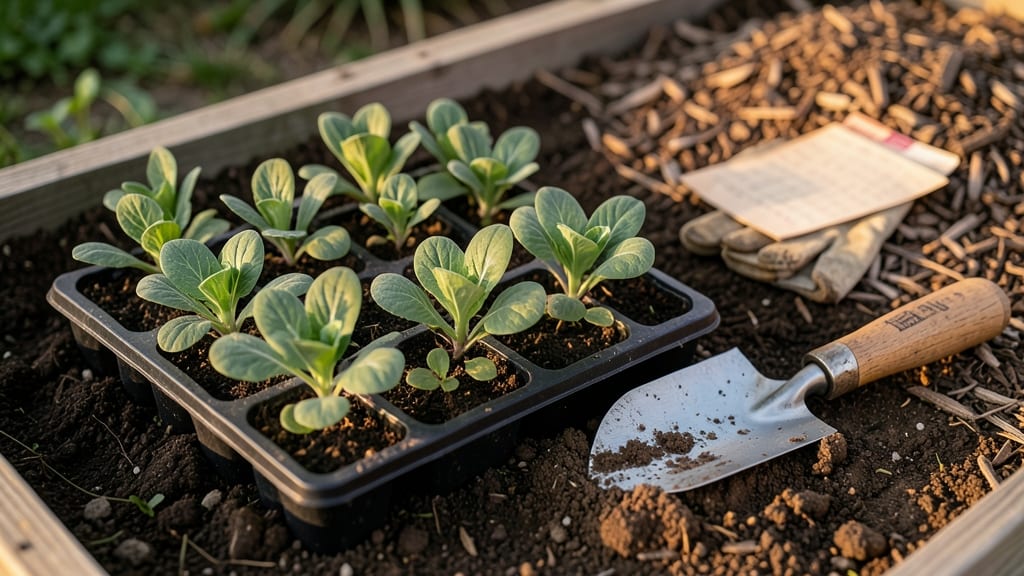
Planting cabbage in Pennsylvania at the wrong time can turn your garden dreams into a bitter disappointment—either bolting too early or getting nipped by frost before harvest.
The key to success lies in matching your variety to the chill hours your region needs, then timing those transplants just right to avoid the common pitfalls that trip up even experienced gardeners.
Whether you're in Pittsburgh's USDA Zone 6b or the cooler Zone 5b of the Poconos, getting the timing down is everything. Spring plantings should happen between March and April, while fall cabbage thrives when seeds hit the soil from August to September.
But here's the catch: not all cabbages are created equal—some need more cold exposure than others to form tight, flavorful heads.
I've tested the best varieties for PA gardens, from heat-tolerant types that won't bolt in summer to cold-hardy ones that handle early spring frosts.
You'll discover exactly which varieties work best in your microclimate, how to adjust for high-altitude regions near state parks, and why container gardening might be your best bet in urban areas like Philadelphia.
Let's break down the science behind chill-hour matching, frost date calculations, and the 3-step planting window that guarantees zero-bolt success—no guesswork, just proven results for your PA garden.
Best cabbage planting times in PA by variety and chill-hours
Pennsylvania’s diverse climate zones (USDA 5b–7a) mean cabbage planting isn’t one-size-fits-all. Chill-hours—the number of hours below 45°F a plant needs to form heads—dictate whether your cabbage will thrive or bolt prematurely. Northern PA (like Erie) gets 5,000+ chill-hours, while southern PA (like Philadelphia) sees 3,000–4,000.
Matching varieties to your zone’s chill-hours is the key to zero-bolt success.
Most cold-hardy varieties (like 'Golden Acre' or 'Red Express') need 3,000–4,000 chill-hours to develop properly. Heat-tolerant types (such as 'Cavalo' or 'Early Jersey Wakefield') handle fewer chill-hours (2,000–3,000) and are better for late-spring or fall plantings in warmer microclimates. Transplant dates also shift: Pittsburgh’s last frost is April 15, while Philadelphia’s is April 20—a 5-day window that can mean the difference between a bountiful harvest and a failed crop.
For spring plantings, aim to transplant 2–3 weeks after your last frost—so if your last frost date is April 15 (like Pittsburgh), transplant May 1–15. Fall plantings work best when you transplant 8–10 weeks before first frost (e.g., August 1–15 for northern PA). Urban gardeners in cities like Philadelphia can push fall plantings later (September 1–15) thanks to the urban heat island effect, which delays frost.
High-altitude areas (like the Poconos) have earlier last frosts (as early as March 20) and shorter growing seasons.
Here, cold-hardy varieties like 'Golden Acre' thrive when planted as early as April 1, while heat-loving types (like 'Cavalo') are better saved for late-summer transplanting. Soil temperature is critical: cabbage seeds won’t germinate well below 45°F, so wait until soil warms to 50°F for direct sowing or transplanting.
If you’re starting seeds indoors, begin 6–8 weeks before transplanting (so February 15–March 1 for spring crops). Hardening off seedlings for 7–10 days before transplanting prevents shock. Container gardeners in cities should choose compact varieties (like 'Miniature Drumhead
How to avoid bolting: PA-specific tips for cabbage success
Cabbage bolting in Pennsylvania’s hot summers isn’t just frustrating—it’s a waste of your hard work. The moment your plants shoot up flower stalks instead of forming heads, you’ve lost your harvest. The good news?
Bolting is preventable with the right strategies tailored to PA’s climate. I’ve learned through trial and error that soil temperature, shade management, and variety selection are the three pillars of success.
First, let’s tackle the biggest culprit: heat stress. Cabbage plants bolt when soil temperatures exceed 75°F (24°C) for prolonged periods. In PA’s Zone 6 and 7 regions, this happens frequently from June through August.
The solution? Choose heat-tolerant varieties like 'Golden Acre' or 'Crimson Delight' and monitor your soil with a thermometer—aim to keep it below 70°F (21°C) during peak heat.
⚠️ callout-warning ⚠️ Warning: Over-Fertilizing = Bolting Risk Too much nitrogen tricks cabbage into thinking it’s time to bolt. I’ve seen gardeners double their fertilizer rates, only to watch their plants race to seed. Stick to a balanced 5-10-10 formula and apply it every 6 weeks—never more.
For summer plantings, reduce nitrogen by half to prevent heat-induced bolting. Water deeply instead of fertilizing when soil temps soar above 80°F (27°C).
Shade cloth is my secret weapon for PA summers. A 30-50% shade cloth reduces soil temperature by up to 10°F (5°C)85°F (29°C)
Proper spacing also makes a surprising difference. Crowded cabbage plants compete for resources, leading to stress that manifests as bolting. Space your plants 18-24 inches apart in rows 24-30 inches apart. This improves airflow, which helps maintain even soil moisture—a critical factor in preventing bolting. If you’re growing dwarf varieties like 'Miniature Peanut,' reduce spacing to 12 inches but still maintain row spacing. For PA’s high-altitude regions (like the Poconos), timing is everything. Plant cold-hardy varieties like 'January King' in early spring (March) when soil temps are 45-55°F (7-13°C). These varieties need 500-600 chill hours to form heads, so they’re perfect for cooler microclimates. In contrast, heat-tolerant varieties like 'Red Express' should go in after June 15 when soil temps stabilize below 75°F. Finally, never underestimate the power of mulch. A 3-inch layer of straw or shredded leaves keeps soil cool and moist—two key factors in preventing bolting. Replenish mulch every 4-6 weeks during summer to maintain its effectiveness. Combine this with drip irrigation timed for early morning, and you’ll create the ideal environment for head formation instead of bolting.