
Plants
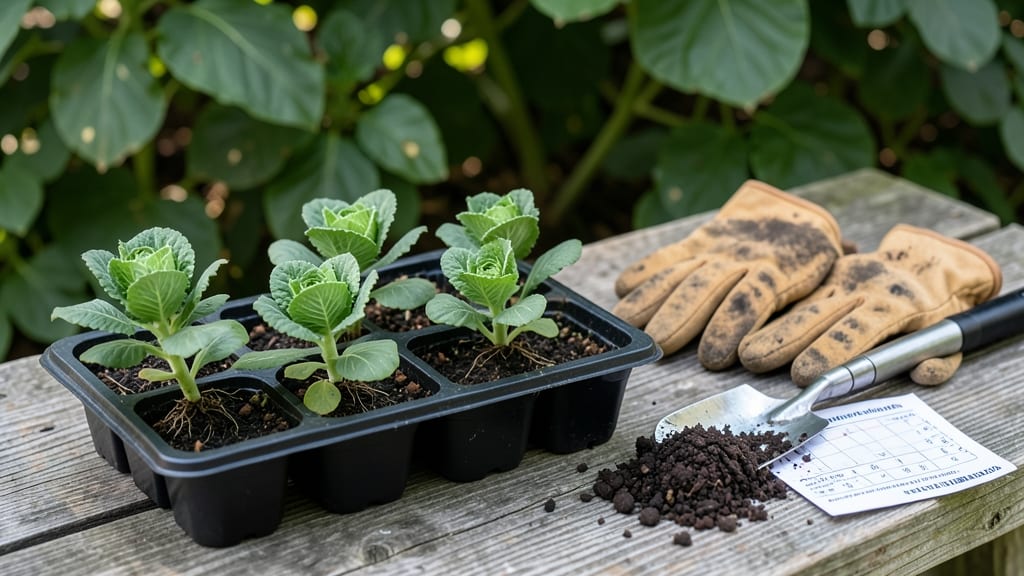
Planting cabbage in Zone 5 at the wrong time can turn your 🥬 dreams into bitter disappointment—too early and frost zaps your seedlings, too late and heat sends them bolting.
The key is knowing exactly when to get those seeds in the ground for a harvest that rivals the grocery store (but tastes 10 times better).
For Zone 5 gardeners, timing isn’t just about dates—it’s about soil temperature, frost dates, and whether you’re growing early varieties or fall crops.
Spring planting starts 4-6 weeks before your last frost, while fall cabbage needs to hit the dirt 10-12 weeks before the first frost to mature before winter sets in. Get this wrong, and you’ll spend summer pulling sad, bolted plants instead of feasting on crisp heads.
I’ve learned the hard way that direct sowing vs. transplants changes the game too. Seedlings need warmer soil to thrive, while direct-seeded cabbage can handle cooler temps—if planted at the right moment.
Let’s break down the exact weeks you should be prepping your soil, seeding, or transplanting for foolproof results every season.
Whether you’re a first-time gardener or a veteran grower, these Zone 5-specific tips will help you avoid common mistakes like planting too early (hello, frost damage) or too late (bye-bye, harvest). Ready to grow cabbage that’s actually worth bragging about? Let’s get started.

Optimal planting windows for cabbage in Zone 5: early vs late crops
Cabbage in Zone 5 grows best when planted during two distinct windows: early spring and late summer. These timing strategies ensure you avoid heat stress and bolting while maximizing your harvest.
The key is understanding your last frost date—typically around mid-May in Zone 5—because cabbage thrives in cool weather.
For spring cabbage, I plant 4-6 weeks before the last frost, usually between mid-April and early May.
This gives seedlings enough time to establish roots before soil warms. Fall cabbage, on the other hand, needs a 10-12 week head start to mature before the first frost in mid-October, so I start seeds in late July or early August.
Both strategies rely on precise timing to avoid wasted effort.
| Planting Window | Action | Weeks Before Frost | Soil Temp | Notes |
|---|---|---|---|---|
| Early Spring | Start transplants or direct sow | 4-6 weeks | 40-50°F | Use row covers for frost protection |
| Late Summer | Direct sow or transplant | 10-12 weeks | 50-60°F | Choose fast-maturing varieties |
| Adjustments for Slow Starts | Extend season with cold frames | N/A | 40°F+ | Use black plastic mulch to warm soil |
If you’re planting transplants (seedlings), aim for 4-6 weeks before your last frost. This means starting seeds indoors around mid-March for spring cabbage.
For direct seeding, which is slower to establish, I recommend planting 6-8 weeks before the last frost to give seedlings extra time. Slow starts due to cold soil? No problem—I use black plastic mulch to warm the soil faster and get seedlings off to a strong start.
For fall cabbage, the goal is to harvest before the first frost in mid-October. I plant seeds 8-10 weeks before that date, usually in late July.
This timing ensures heads mature before temperatures drop. Fast-maturing varieties like ‘Golden Acre’ are my go-to for fall planting—they can go from seed to harvest in just 60 days, leaving room for error if the season runs long.
One common mistake is planting too early in spring, which can lead to bolting (premature flowering) when days get longer. To prevent this, I always plant slow-bolting varieties like ‘Early Jersey Wakefield’ and use shade cloth if temperatures rise too quickly.
For late summer, I avoid planting after early August—any later, and the heads won’t have enough time to firm up before frost.
Adjusting for Zone 5’s unpredictable weather means flexibility. If spring is slow to warm, I might push planting back by a week or two. Conversely, if summer heat arrives early, I’ll opt for shade-tolerant varieties or use drip irrigation to keep soil cool.
The key is monitoring soil temperature—cabbage seeds need 40-50°F to germinate, while transplants thrive in 50-60°F soil.
Don’t forget to harden off transplants before moving them outdoors. I start this process 7-10 days before planting by gradually exposing seedlings to outdoor conditions. This step is critical for transplant shock prevention, especially in Zone 5’s variable spring weather.
For direct seeding, I keep soil moist until germination to ensure even sprouting.
Finally, succession planting can extend your harvest. After your first spring planting, I’ll sow a second batch 2-3 weeks later for a staggered harvest. The same strategy works for fall—plant a second batch in early August if the first one looks promising.
This way, you’ll have cabbage ready to pick from July through November, maximizing your garden’s potential.
With these precise planting windows and a few adjustments for Zone 5’s quirks, you’ll enjoy crisp, homegrown cabbage all season long. Happy planting! 🥬🌱
How to adjust cabbage planting for Zone 5’s unpredictable weather patterns
Zone 5’s unpredictable spring frosts and sudden summer heatwaves can turn cabbage gardening into a high-stakes game of chance. One year, your seedlings might survive a late frost, while the next, a heatwave in June sends your plants bolting before they form heads.
The secret to success? Flexible timing and smart adjustments based on your local microclimate.
I’ve learned that even the most experienced gardeners in Zone 5 need to play it smart. For example, planting transplants 4-6 weeks before the last frost works in most years, but if your soil stays cold longer than expected, those seedlings will languish.
Similarly, fall cabbage planted 10-12 weeks before the first frost might not mature if summer heat lingers into September. The solution? Cold-hardy varieties, protective row covers, and soil warming tricks to fine-tune your planting schedule.
Let’s dive into the three key adjustments that’ll help you outsmart Zone 5’s weather quirks: choosing the right varieties, using row covers for extra protection, and warming your soil to speed up early planting.
These tactics have saved my cabbage crops more times than I can count—especially during those unusually cold springs or early heatwaves that seem to hit every few years.
⚠️ Zone 5 Warning: Don’t Plant Too Early!
Your last frost date isn’t just a guideline—it’s a hard deadline for cabbage. Planting transplants 6+ weeks before frost risks stunted growth, while direct sowing 8+ weeks early often results in leggy, weak seedlings. Check your soil temperature: cabbage thrives in 45-85°F soil. If it’s below 40°F, delay planting or use black plastic mulch to warm the soil faster.
Pro tip: Use a soil thermometer—I’ve seen gardeners plant too early because they guessed the soil was warm enough, only to watch their seedlings rot in cold, damp earth. Wait for consistency at the right temperature before committing.
For late frosts, opt for cold-tolerant varieties like ‘Winterbor’ or ‘January King,’ which can handle light frosts down to 20°F. These varieties buy you extra time in spring and extend your fall harvest window.
Pair them with floating row covers to shield young plants from unexpected dips below 32°F. I’ve used these covers to save seedlings during April freezes that would’ve otherwise wiped out my entire crop.
When summer heat arrives earlier than expected, shift to shade-tolerant varieties like ‘Golden Acre’ or ‘Early Jersey Wakefield,’ which mature faster in 70-75°F conditions. If your cabbage starts bolting (sending up flower stalks), it’s a sign the weather’s too warm.
To cool the soil, apply a thick layer of straw mulch around plants—this keeps roots 5-10°F cooler than ambient air. I’ve seen this trick add 2-3 extra weeks of usable growth before heat stress takes over.
Don’t forget about soil warming for early starts. Lay down black plastic mulch 1-2 weeks before planting to raise soil temps by 10-15°F. This is especially useful in Zone 5’s cooler microclimates, like shaded garden beds or north-facing plots.
For direct sowing, use biodegradable seedling pots filled with warm compost to jumpstart germination in chilly soil. I’ve had seedlings emerge in just 5 days using this method, compared to the 10+ days they’d take in cold ground.
Finally, monitor your local 7-day forecast like a hawk. If a heatwave is predicted while your cabbage is still young, prioritize watering deeply in the morning to prevent stress. For fall crops, aim to finish planting by mid-August—any later, and your heads won’t mature before frost.
With these adjustments, you’ll turn Zone 5’s unpredictable weather into an advantage, not a roadblock.