
Plants
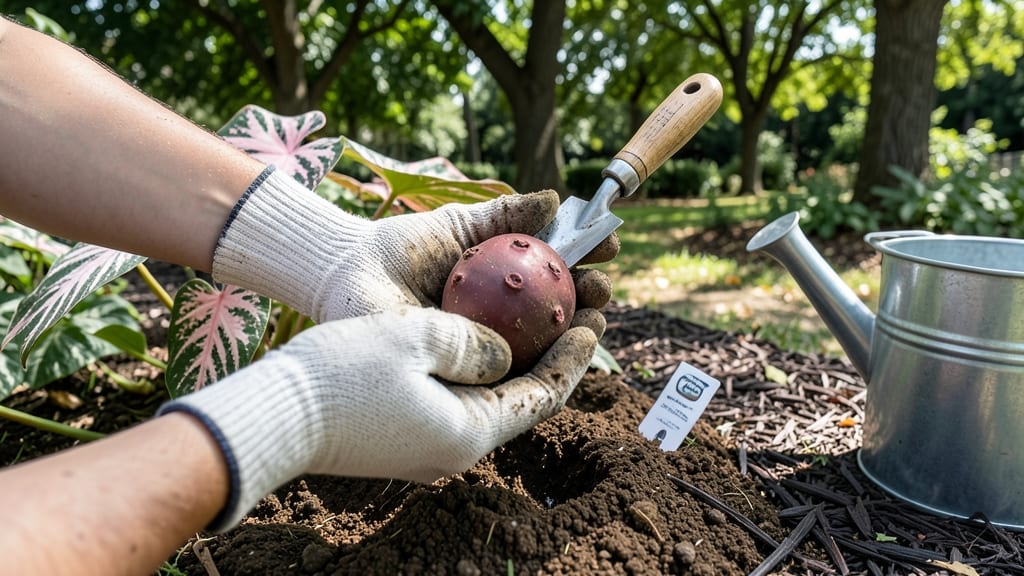
Planting caladium bulbs at the wrong time in Zone 7 can turn your vibrant 🌿 foliage into a flop—dull leaves and stunted growth are dead giveaways. These tropical beauties need warmth to thrive, and rushing them into cold soil is a recipe for disappointment.
Most gardeners assume "after last frost" is the magic window, but caladiums are pickier. The real secret lies in soil temperature—wait until it hits a steady 65°F before planting, usually late May in Zone 7. This timing ensures strong root development and prevents the tubers from rotting in chilly conditions.
If you're eager to get started, here's the game-changer: test your soil with a thermometer or wait until your local nursery sells caladiums (they know the ideal window!). In containers, you can plant slightly earlier, but in-ground tubers need that warmth to truly shine.
Once planted, these heat-loving plants reward patience with bold, colorful leaves all summer. Let me walk you through the exact steps to time it perfectly—no more guessing games, just lush 🌿 growth.

Zone 7 soil temperature guidelines for planting caladium bulbs
Caladium bulbs thrive in warm soil, and getting the soil temperature right is the key to vibrant foliage. In Zone 7, these tropical beauties need soil that's warmed to 55°F–65°F before planting.
Too cold, and your tubers rot; too hot, and they may struggle to establish roots. Understanding these critical thresholds ensures your caladiums burst into color without stress.
Unlike cool-season crops, caladiums are heat-loving plants that despise chilly soil. Even if your air temperatures feel spring-like, the ground may still be too cold. That’s why I always check soil warmth with a soil thermometer—it’s the only way to know for sure when it’s safe to plant.
In northern Zone 7, this might mean waiting until late May, while southern Zone 7 gardeners can start as early as mid-April.
Here’s the golden rule: Wait until the soil stays consistently above 60°F for 5+ days. This warmth signals the perfect time for caladium tubers to sprout and grow.
Skipping this step often leads to dull, weak foliage or even bulb rot—a heartbreaking mistake I’ve seen too many gardeners make.
🌱
Testing soil temperature is simpler than you think. Use a digital soil thermometer (they’re cheap and accurate) and check the depth where you’ll plant—usually 4–6 inches deep. Take readings in the morning and evening for 3 days to confirm consistency.
If your soil is still below 60°F, hold off and use the time to prep your planting area with compost or well-rotted manure to speed up warming.
Microclimates play a huge role in Zone 7 planting timing. A south-facing bed warms faster than a north-facing one, so adjust your schedule accordingly.
If you’re in a cooler microclimate, like a shaded or low-lying area, wait until the last possible moment—even if your neighbor’s caladiums are already sprouting. Patience here pays off with healthier, more vibrant plants.
Once your soil hits the sweet spot of 60°F–65°F, plant your caladium tubers 4–6 inches deep in loose, well-draining soil. Add a 2-inch layer of mulch afterward to retain heat and moisture.
This step is non-negotiable—mulch keeps the soil warm longer, giving your tubers the best chance to thrive. Without it, you risk temperature fluctuations that can shock your plants.
If you’re still unsure about your soil’s readiness, try the "glove test". Stick your hand in the soil for 10 seconds—if it feels warm but not hot, it’s likely in the right range.
This old-school method works surprisingly well and requires no tools. Combine it with your thermometer readings for extra confidence in your planting decision.
Remember, caladiums are tropical plants that treat Zone 7 like a temporary vacation. They’ll grow beautifully in summer but may not survive winter outdoors. In colder parts of Zone 7, treat them as annuals and dig up tubers before frost.
In warmer microclimates, they might return for a second year—but don’t count on it.
🌿
Step-by-Step planting calendar for Zone 7 caladiums
Timing your caladium bulbs in Zone 7 isn’t just about avoiding frost—it’s about waiting for the soil to warm enough to trigger those vibrant leaves. Most gardeners in this zone make the mistake of planting too early, only to see their tubers rot in cold, damp soil.
The key is patience: aim for late May when soil temperatures consistently stay above 65°F. This window ensures your caladiums get the heat-loving start they need to thrive all summer.
If you’re eager to extend your growing season, consider container gardening. Pots warm up faster than ground soil, letting you plant caladiums as early as mid-April in Zone 7’s southern regions. Just be ready to move containers indoors if nighttime temps dip below 55°F.
For in-ground planting, wait until after the last frost date—usually mid-April in northern Zone 7 areas but often early April in the south.
📅 Step-by-Step Planting Calendar for Zone 7 Caladiums
-
🌡️ Step 1: Test Soil Temperature
Use a soil thermometer to confirm 65°F+ at 4" depth. In Zone 7, this typically happens by late May, but check your local microclimate—northern areas may need to wait until June. -
🌱 Step 2: Pre-Sprout Tubers (Optional)
For a head start, place caladium tubers in potting mix indoors 4–6 weeks before outdoor planting. Keep them in bright, indirect light and water lightly to encourage sprouts. -
🏺 Step 3: Choose Your Planting Method
Containers: Plant tubers 4–6" deep in well-draining mix with perlite or orchid bark. Use pots with drainage holes.
Ground Planting: Amend soil with compost and work in organic matter to improve drainage. Avoid heavy clay soils. -
🌿 Step 4: Plant at the Right Depth
Bury tubers with the eyes facing up, about 4–6 inches deep. Space them 12–18 inches apart for full foliage display. In containers, plant 2–3 tubers per 12" pot. -
☀️ Step 5: Protect from Early Heat
After planting, shield caladiums from intense afternoon sun for 1–2 weeks. Use shade cloth (30–50%) or plant in partial shade spots like under trees or near north-facing walls. -
💧 Step 6: Water Deeply & Mulch
Water deeply once a week (or bi-weekly in containers) to encourage root growth. Apply 2–3 inches of mulch (straw or shredded leaves) to retain moisture and regulate soil temps. -
⏳ Step 7: Extend the Season (Optional)
In cooler Zone 7 areas, bring potted caladiums indoors before first frost (mid-October). Store tubers in dry peat moss at 60–65°F and replant next spring.
One of the biggest mistakes I see in Zone 7 is rushing caladiums into the ground too soon. Even if the air feels warm, soil temperature can lag behind, leading to rotten tubers and wasted money.
Always double-check with a thermometer—your caladiums will thank you with bold, healthy foliage all season long.
For gardeners in northern Zone 7, where nights can still dip chilly, consider starting caladiums in greenhouses or cold frames 4–6 weeks before your usual planting window.
This gives them a head start and ensures they’re ready to shine when summer fully arrives. Just remember: these tropical divas need warmth to perform their best!
Once your caladiums are planted, monitor them closely for the first 2–3 weeks. Look for signs of stress like yellowing leaves (too much water) or wilting (not enough).
Adjust your care routine accordingly, and soon you’ll have a stunning foliage display that’s the envy of the neighborhood. Happy planting! 🌿