
Plants
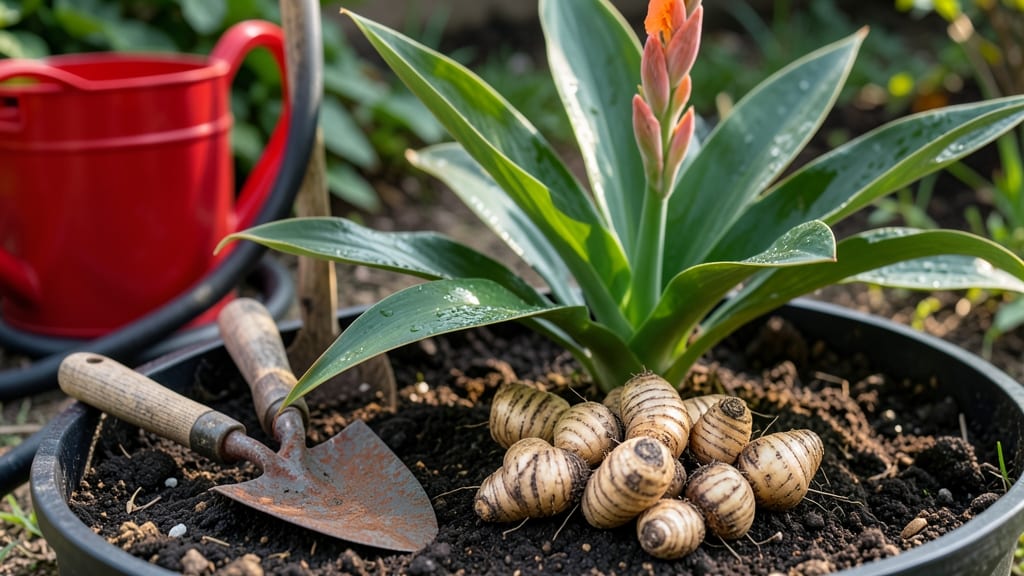
Planting canna bulbs at the wrong time in Kansas can mean the difference between a garden full of bold, vibrant blooms and a season of disappointment.
The key isn't just waiting for spring—it's knowing your exact heat zone and soil temperature thresholds to give your 🌺 canna lilies the best start.
With Kansas' USDA zones ranging from 5b to 7a, your planting window could shift by weeks depending on where you live. In colder northern areas, you might wait until late May, while southern regions can plant as early as mid-April.
The secret? Waiting until soil reaches at least 60°F—that's when those tubers wake up and grow.
I've learned from years of Kansas gardening that rushing canna bulbs into cold soil leads to rot, while waiting too long risks stunted growth. Let me show you the exact months for your zone, plus soil prep tricks that make all the difference for long-lasting summer color.
From choosing the right planting depth to protecting tubers from late frosts, this guide gives you the confidence to time your canna lilies perfectly. Ready to transform your garden with tropical-looking blooms that thrive all season?
Kansas heat zones: when to plant canna bulbs by exact month
Kansas gardeners know that canna lilies thrive in heat but struggle with cold snaps. The key to bold blooms lies in planting at the right time—after the last frost and when soil warms to 60°F+.
Since Kansas spans USDA zones 5b-7a, your exact planting window depends on whether you're in Wichita (zone 7a), Kansas City (zone 6a), or Hays (zone 5b).
Let’s break it down by month and microclimate to ensure your canna tubers get a head start without risking frost damage.
Most Kansas regions experience their last frost between mid-April and early May, but soil temperature lags behind air temperature. A soil thermometer is your best friend here—wait until the ground consistently stays above 60°F for at least 5 days before planting.
In zone 7a (Wichita), this often means planting by late April, while zone 5b (Hays) gardeners should wait until mid-May. Kansas City falls somewhere in between, typically ready by early May.
Here’s the summary table with exact planting windows, soil temperature thresholds, and regional adjustments for Kansas:
| USDA Zone | Last Frost Date | Soil Temp Threshold | Ideal Planting Window | Regional Adjustment |
|---|---|---|---|---|
| Zone 5b (Hays, Salina) | Mid-May | 60°F+ (consistent) | Late May - Early June | Wait for nighttime temps above 50°F |
| Zone 6a (Kansas City, Topeka) | Early May | 60°F+ (consistent) | Late April - Early May | Urban areas may warm faster; monitor soil |
| Zone 7a (Wichita, Garden City) | Late April | 60°F+ (consistent) | Mid-April - Late April | Dry climates may need extra watering post-planting |
If you’re in Wichita or Garden City (zone 7a), you can push the envelope and plant as early as mid-April, but be prepared to protect your cannas with frost cloth if a late freeze sneaks in.
Meanwhile, gardeners in Hays or Salina (zone 5b) should hold off until late May to avoid tuber rot from lingering cold soil. Kansas City gardeners have the most flexibility, with a 3-week window from late April to early May.
For container gardening, you can extend your planting window by starting tubers indoors under grow lights 4-6 weeks before your last frost date. This is especially useful in zone 5b, where the growing season is shorter.
Simply plant tubers in well-draining potting mix and keep them in a warm spot until all danger of frost has passed, then transplant outdoors.
Once your canna bulbs are in the ground, focus on mulching to retain soil warmth and moisture. Use straw or shredded leaves around the base of the plant, but avoid piling mulch directly against the stems to prevent rot.
In Wichita’s hotter climate, mulch also helps regulate soil temperature during scorching summer days, while in Kansas City’s more moderate zone, it protects against early morning chills.
Pro tip: If you miss the spring planting window, don’t despair! Cannas are heat-loving plants that can also be planted in early summer (June), though they may bloom later in the season.
Just ensure the soil is warmer than 65°F and that you water deeply after planting to help them establish roots before the heat of July arrives. This works especially well in zone 7a, where summers are long and hot.
Remember, canna lilies are tender perennials in Kansas—they won’t survive winter outdoors, so plan to dig up tubers before the first frost (typically mid-October) and store them in a cool, dry place until next spring.
By following these heat zone guidelines, you’ll maximize your cannas’ growth potential and enjoy vibrant blooms from summer through early fall.
🌺
5 Critical factors that determine the best planting time for canna lilies in Kansas
Getting the timing right for planting canna lilies in Kansas isn't just about waiting for spring—it's about understanding your unique growing conditions. The wrong timing can lead to rotting tubers or stunted growth, so let's break down the five factors that make all the difference for your tropical-looking blooms.
First, last frost dates vary dramatically across Kansas, from early April in southern zones to late May in the north. Checking your local USDA zone (5b-7a) gives you the exact window to plant after the soil warms to 60°F—that's when those tubers start growing actively.
- 1. Last Frost Dates: Plant after your average last frost (April 15 in south, May 15 in north). Use frost-free calculators for precise timing.
- 2. Soil Temperature: Wait until soil reaches 60°F+ (use a soil thermometer). Cold soil causes tuber rot—a common Kansas mistake!
- 3. Tuber Size Matters: Large tubers (>2 inches) sprout faster than small ones. Plant 2-4 inches deep—deeper = slower growth in cooler zones.
- 4. Containers vs. Ground: Containers warm faster—plant 2 weeks earlier than in-ground. Use black pots to absorb heat in cooler zones.
- 5. Mulching Strategy: Apply 3-4 inches of mulch after planting to retain heat. In late summer, mulch protects tubers from early frosts (common in Kansas).
Another key factor is whether you're planting in containers or in-ground. Containers heat up faster, so you can plant 2 weeks earlier than in-ground plantings. I always use black pots in my Kansas City garden—they absorb heat like a charm and give my cannas a head start.
Don't overlook mulching strategies—this is where Kansas gardeners often miss the mark. A thick layer of straw or shredded leaves keeps soil warm and moist, which is crucial for tuber establishment. I've found that mulching after planting can extend the blooming season by 3-4 weeks in my garden.
Finally, consider late summer planting for a second flush of blooms. If you're in USDA zone 6 or 7, you can plant tubers in early July for flowers that last until frost. Just be sure to water deeply and protect them with row covers if early frosts threaten.
By mastering these five factors, you'll turn your Kansas garden into a canna lily paradise with bold blooms from summer to fall. The key is patience—wait for the right conditions, and your cannas will reward you with vibrant, tropical beauty all season long. 🌺