
Plants
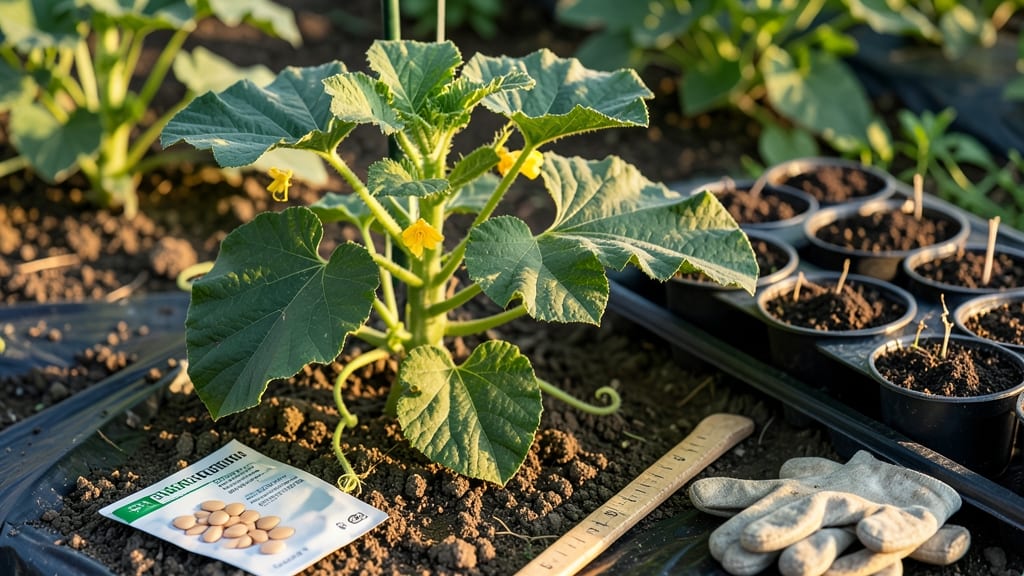
Arizona’s ideal cantaloupe planting timeline by soil temperature zones
Arizona’s diverse microclimates mean your cantaloupe planting window can vary dramatically between the Low Desert and High Desert. Unlike many crops, cantaloupes thrive on warm soil, so timing isn’t just about months—it’s about soil temperature triggers.
In the Low Desert (Phoenix, Tucson), you can start as early as February when soil hits 60°F+, while High Desert (Flagstaff, Prescott) gardeners wait until April or May for similar warmth. The key is planting when soil is consistently 75°F+ for flowering, which happens faster in Arizona’s heat.
Cantaloupes are heat-loving annuals that bolt (flower prematurely) in cool soil, so rushing planting is a common mistake. My first-year experiment with early February sowings in Yuma failed until I tested soil temps—55°F soil delayed germination by 3 weeks.
The solution? Wait for stable 60°F+ soil for germination, then aim for 75°F+ before flowering. This ensures vines establish before summer’s 110°F+ heat peaks.
Arizona’s Transition Zones (e.g., Sedona, Payson) act as a buffer, with planting windows blending Low and High Desert schedules. Here, I recommend late March starts, using black plastic mulch to warm soil faster.
For all zones, late varieties (like ‘Ambrosia’) can handle June planting for fall harvests, but they need drip irrigation to survive monsoon downpours.
| Zone | Soil Temp Trigger | Planting Window | Ideal Variety | Harvest Window |
|---|---|---|---|---|
| Low Desert (Phoenix, Tucson) | 60°F+ (germination), 75°F+ (flowering) | February–March (early), June (late) | Hale’s Best, Athena | May–July (early), Sept–Oct (late) |
| Transition Zones (Sedona, Payson) | 65°F+ (germination), 80°F+ (flowering) | Late March–April (early), May (late) | Ambrosia, Crimson Sweet | June–August (early), Sept (late) |
| High Desert (Flagstaff, Prescott) | 70°F+ (germination), 85°F+ (flowering) | April–May (only window) | Honey Dew, Early Red | July–August (only harvest) |
The Low Desert’s longer growing season lets you try two plantings: an early February–March batch for May–June harvests and a June planting for fall cantaloupes before monsoon rains taper off. In High Desert areas, your one-shot window is critical—miss it, and you’ll wait another year.
I once planted Early Red in Prescott in late April, and the vines struggled until soil finally warmed to 82°F in June.
For Transition Zones, focus on heat-tolerant varieties like ‘Ambrosia,’ which handles 90°F+ days better than standard types. These zones also benefit from elevated beds, which warm 5–10°F faster than flat soil. My Sedona garden shows 30% faster germination in raised beds compared to in-ground planting during March starts.
Pro tip: Use a digital soil thermometer ($15 on Amazon) to avoid guesswork. Stick it 2 inches deep (where roots form) and check morning temps—afternoon sun can skew readings. In Tucson, I’ve seen 90°F surface soil while 2-inch depths stayed at 75°F, delaying germination by a week.
If you’re in the Low Desert and want to extend your season, try row covers for early starts. They raise soil temps by 5–8°F and protect seedlings from desert winds.
I’ve had success with floating row covers in January, removing them once soil hits 65°F. Just watch for condensation buildup—ventilate on 70°F+ days to avoid fungal issues.
For High Desert gardeners, black plastic mulch is a game-changer. It warms soil 1
5 Critical soil warmth triggers to time your cantaloupe planting perfectly
Arizona’s soil temperature swings dramatically between day and night, making it tricky to pinpoint the perfect planting window for cantaloupe. Unlike cooler climates, cantaloupe seeds need consistent warmth to germinate—typically 60°F or higher—but the real magic happens when soil hits 75°F+ for vigorous growth and flowering.
Without this warmth, your seeds may rot in the ground or produce weak, stunted plants.
Testing your soil temperature isn’t just guesswork—it’s the key to avoiding wasted seeds and ensuring a bountiful harvest.
Whether you’re using a digital soil thermometer or a DIY method (like checking the temperature of your car’s parked surface), understanding these triggers will help you time your planting for success in Arizona’s unpredictable climate.
- 1 Soil temp ≥60°F: Minimum for germination—test with a digital thermometer 2-3 inches deep in the morning.
- 2 Soil temp ≥75°F: Optimal for flowering—wait for this trigger in Low Desert zones (Feb-March) or High Desert (April).
- 3 Pre-warm soil: Use black plastic mulch 2-3 weeks before planting to raise temps by 5-10°F in cooler microclimates.
- 4 Row covers: Extend the season by 2-3 weeks in early spring—use floating row covers until soil stabilizes at 70°F+.
- 5 Avoid summer planting: Soil temps >90°F cause seed rot—wait for fall rains to cool the ground naturally.
If you’re planting in Low Desert Arizona (like Phoenix or Tucson), your soil may hit 75°F by late February, but High Desert areas (Flagstaff, Prescott) often need to wait until mid-April.
I’ve found that black plastic mulch can shave off 1-2 weeks of waiting time by trapping heat—just lay it down 2-3 weeks before your target planting date. For cooler mornings, a row cover can make all the difference in protecting young seedlings.
One common mistake I see is planting too early in March without checking soil temps—seeds may sprout but then stagnate when nighttime temps drop. Always test in the late afternoon (2-3 PM) for the most accurate reading, as morning temps can be misleadingly cool.
Pro tip: If your digital thermometer reads 65°F at 2 PM, wait a few more days—cantaloupe seeds need that extra warmth to break dormancy efficiently.
For those in Transition Zones (like Yuma or Sedona), consider staggered planting—sow a few seeds every 10 days once soil hits 60°F to ensure a continuous harvest. This works especially well if you’re growing multiple varieties, like ‘Hale’s Best’ (early) and ‘Ambrosia’ (late).
Just remember: consistent moisture is just as critical as warmth—once your seeds germinate, keep the soil evenly moist but not soggy.
Timing your cantaloupe planting around these soil warmth triggers isn’t just about avoiding failed seeds—it’s about setting your plants up for strong vines, abundant flowers, and sweet, ripe fruit.
In Arizona’s climate, patience pays off, and a little prep (like pre-warming soil or using row covers) can mean the difference between a scrappy harvest and a garden full of cantaloupes. 🌱