
Plants
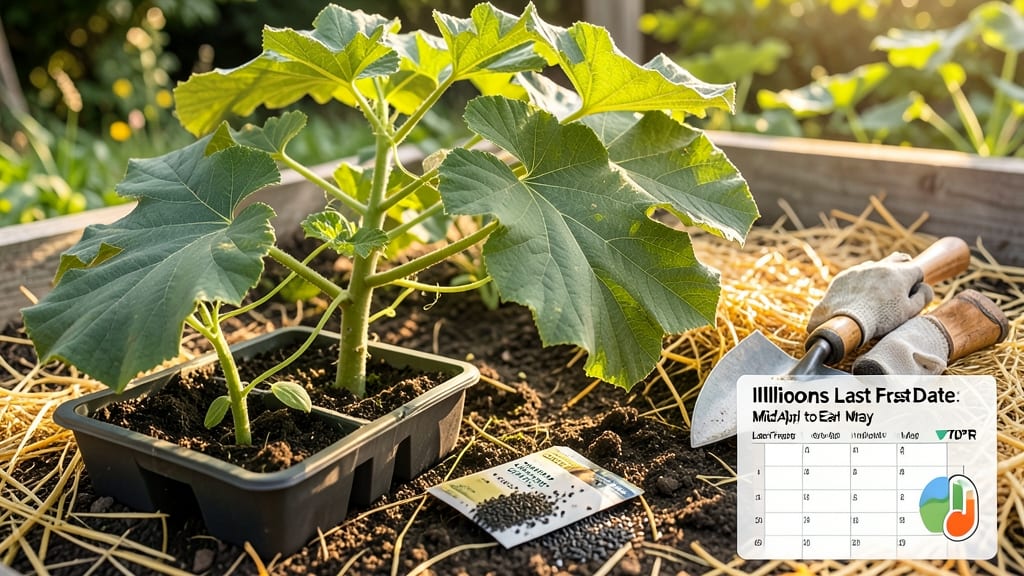
Planting cantaloupe in Illinois at the wrong time can mean the difference between a bountiful harvest and wasted effort. The ideal window is after your last frost—typically late May to early June—when soil temperatures hit at least 70°F and stay warm enough to encourage those sweet, juicy melons.
But here’s the catch: Illinois’ USDA zones 5-7 have different frost-free dates, and planting too early risks frost damage while waiting too long cuts your growing season short. I’ll break down the exact timing for your zone so you can start seeds or transplants with confidence.
Once you’ve nailed the timing, we’ll cover how to prep your soil and space your vines for Illinois summers—because even the best planting window won’t guarantee success without the right conditions. Let’s get those cantaloupes growing!
From extending your season with row covers to choosing heat-tolerant varieties, I’ll share the game-changer tips that work in my Illinois garden. Ready to grow cantaloupe like a pro?
Illinois frost-free dates by USDA zone: exact planting windows for cantaloupe
Growing cantaloupe in Illinois requires precise timing to avoid late spring frosts and maximize summer heat for sweet melons. The state spans USDA zones 5a through 7a, with frost-free dates varying by 10-14 days across regions.
Cantaloupe thrives in soil temperatures above 70°F, so planting too early risks stunted growth.
Northern Illinois (zones 5a/5b) has the latest frost dates, often May 15-20, while southern Illinois (zones 6b/7a) can plant as early as April 25-May 5.
Always check your local last frost average—a single late frost can devastate young vines. For best results, use soil thermometers to confirm warmth before planting.
⚠️ CRITICAL NOTE: Cantaloupe is a warm-season crop that won’t germinate in cold soil. Even if frost risk passes, wait until soil reaches 70°F (typically 2-3 weeks after last frost) to plant seeds or transplants.
| USDA Zone | Avg. Last Frost | Optimal Planting Window | Soil Temp Requirement | Notes |
|---|---|---|---|---|
| 5a (Northern IL) | May 15-20 | May 25 - June 5 | 70°F+ | Use black plastic mulch to warm soil faster |
| 5b (Central-North IL) | May 10-15 | May 20 - June 1 | 70°F+ | Consider row covers for early starts |
| 6a (Central IL) | April 25 - May 5 | May 10 - May 25 | 70°F+ | Ideal for 'Ambrosia' variety |
| 6b (Central-South IL) | April 20 - April 30 | April 25 - May 15 | 70°F+ | Longer growing season |
| 7a (Southern IL) | April 15 - April 25 | April 20 - May 10 | 70°F+ | Try early varieties like 'Hale's Best' |
For northern Illinois gardeners (zones 5a/5b), start seeds indoors 4-6 weeks before your target planting date to give vines a head start. Transplant seedlings only after nighttime temperatures stay above 55°F consistently.
In central and southern zones (6a-7a), direct sow seeds after your last frost date—no need for indoor starts.
Cantaloupe vines need 6-8 hours of sunlight daily and well-draining soil with a pH between 6.0-7.0. Before planting, amend your soil with 2-3 inches of compost to improve fertility. In Illinois’ heavy clay soils (common in northern regions), add sand or perlite to prevent waterlogging.
After planting, maintain consistent moisture—cantaloupe plants need 1-2 inches of water weekly, especially during fruit development. Use drip irrigation to keep foliage dry and reduce disease risk. Mulch around plants with straw or grass clippings to retain soil moisture and suppress weeds.
Harvest cantaloupe 75-90 days after planting, when the stem slips easily from the vine and the skin near the stem turns cream-colored. In Illinois, expect harvests from late July to early September, depending on your planting date. Save seeds from your best mel
How to extend your cantaloupe growing season in Illinois: tips for early/late planting
Illinois’ short growing season can make cantaloupe cultivation challenging, but with the right strategies, you can push your harvest dates earlier or later. I’ve found that cold frames and row covers add 2-4 weeks to your season, while succession planting maximizes yield potential.
These techniques let you grow cantaloupe even in cooler zones like USDA 5b where frost lingers until late May.
For early planting, start seeds indoors 4-6 weeks before your last frost date using grow lights to simulate warmth. Transplant seedlings into black plastic mulch to warm the soil faster—a trick that’s saved my cantaloupe from spring chill.
Late-season extensions work best with heat-tolerant varieties like ‘Ambrosia’ that thrive in Illinois’ July-August heat waves.
⚠️ WARNING: Common Mistakes That Shorten Your Harvest ⚠️
My go-to method for early starts is a low tunnel with row cover—this raises soil temps by 5-10°F and protects tender seedlings. Remove covers when flowers appear to prevent heat stress.
For late harvests, I’ve had success with succession planting every 2 weeks from June through July, staggering maturity dates to avoid a single glut of melons.
Heat-tolerant varieties like ‘Hale’s Best’ mature in just 75 days, making them ideal for Illinois’ shorter seasons. Pair these with drip irrigation to maintain consistent moisture without wetting leaves—critical in humid summers.
I’ve also seen black plastic mulch boost soil temps by 10°F, extending the growing window by nearly a month in cooler zones.
Don’t forget to monitor soil temps with a thermometer—cantaloupe roots need 70°F+ to thrive. In my USDA 6a garden, I wait until mid-May to plant outdoors, but with a cold frame, I’ve gotten seedlings up by late April.
The key is balancing warmth with frost protection until plants establish strong roots.
For late-season extensions, I plant a final batch in early July using heat-resistant varieties and provide afternoon shade cloth during heatwaves. This pushes harvests into September when nights cool slightly. Just remember: cantaloupes need full sun—even partial shade reduces sugar development, making melons bland.