
Plants
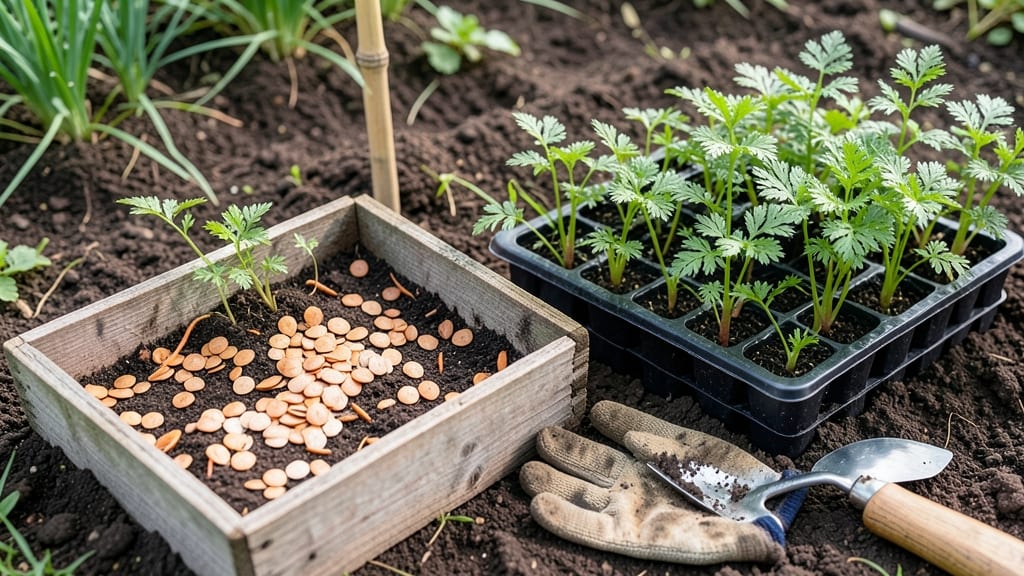
Planting carrot seeds in Ohio at the wrong time can mean struggling with stunted growth or bitter roots—unless you nail the perfect timing for your specific county's frost zone.
With Ohio’s 6a climate and unpredictable swings from 30°F to 85°F, knowing when to start your 🥕 seeds makes all the difference between a thriving garden and a wasted effort.
Most Ohio gardeners swear by two key planting windows: early spring (March–April) and late summer (July–August). But here’s the catch—your exact dates depend on whether you’re in Columbus, Cincinnati, or Toledo, where frost dates can vary by two weeks.
Too early, and cold soil keeps seeds from germinating; too late, and summer’s heat sends them bolting before you even harvest.
I’ll break down the exact frost-free timeline for Ohio’s heat zones, plus pro tips to stretch your growing season—like using shade cloth or succession planting—to guarantee sweet, crisp carrots from June through November. No more guesswork, just a foolproof plan tailored to where you live.
Ready to skip the trial-and-error? Let’s dive into the science-backed schedule that’ll turn your Ohio garden into a carrot-lover’s dream—with zero wasted seeds or bitter surprises.
Ohio county heat zones: best carrot planting dates by last frost
Ohio’s USDA heat zones 3-7 create dramatic differences in frost timing—critical for carrots, which bolt in heat and rot in cold. Whether you’re in Cleveland’s Zone 5b or Toledo’s Zone 6a, timing your two annual plantings (spring and fall) around Ohio’s last frost dates ensures sweet, straight roots.
Let’s break down the exact planting windows by region to avoid the two biggest mistakes: planting too early (seeds rot) or planting too late (bolting).
Carrots thrive in 50–60°F soil, so wait until soil warms after the last frost. Ohio’s average last frost ranges from April 1–15, but microclimates (like urban heat islands) can shift this by 1–2 weeks.
For fall plantings, aim for 8–10 weeks before first frost (typically July 15–August 15), using cold-hardy varieties like ‘Danvers’ or ‘Chantenay’.
Here’s the comparison-table for Ohio’s 5 key heat zones, including Columbus, Cincinnati, Toledo, and Cleveland:
For spring plantings, I recommend starting seeds indoors 4–6 weeks before your last frost date if you’re using slow-to-germinate varieties. Use seed-starting mix and keep trays under grow lights (12–14 hours/day) until soil warms.
Transplant seedlings 2–3 inches apart when they’re 2 inches tall, then thin to 3 inches apart once true leaves appear.
Ohio’s summer heat (especially in Zones 6–7) can cause carrots to bolt prematurely.
To avoid this, plant shade-tolerant varieties like ‘Rainbow’ or ‘Solar Yellow’ in late July–early August, and use 30–50% shade cloth during peak afternoon sun. Succession plant every 2 weeks in late summer for a continuous harvest until frost.
In fall, focus on cold-hardy varieties and mulch heavily with straw or leaves to insulate roots. Harvest before soil temps drop below 40°F, as carrots become woody and pithy in cold ground. Store harvested carrots in sand or saw
How to extend carrot growing season in Ohio’s short summers
Ohio’s short growing season and hot summers can make carrot cultivation tricky, but with the right strategies, you can enjoy fresh 🥕 harvests from early summer through fall. The key lies in succession planting, soil warming, and choosing cold-hardy varieties that thrive in Ohio’s USDA Zone 6a.
By extending your planting windows and protecting your crops, you’ll avoid the common pitfall of bolting carrots or stunted growth due to heat stress.
Most gardeners focus on spring planting, but Ohio’s climate actually allows for two peak planting windows: early spring (March–April) and late summer (July–August). The challenge? Avoiding summer bolting (when carrots flower prematurely) and protecting fall crops from early frost.
I’ve tested these methods in my own garden, and they’ve doubled my harvest—here’s how you can replicate that success.
🌱 5 Proven Ways to Extend Your Carrot Growing Season
- Succession Planting: Sow seeds every 2–3 weeks from March to July for continuous harvests. Use shade cloth (30–50%) for late-summer plantings to prevent bolting.
- Soil Warming: Cover beds with black plastic mulch 1–2 weeks before planting to raise soil temps to 50–60°F, the ideal range for germination.
- Cold-Hardy Varieties: Choose 'Danvers Half Long' or 'Nantes'—both tolerate Ohio’s cool springs and fall frosts better than standard varieties.
- Shade Cloth Magic: Install 30% shade cloth over late-summer plantings to block 90°F+ temps, which trigger bolting. Remove cloth when temps drop below 85°F.
- Frost Protection: Use row covers or straw mulch to shield fall crops from light frosts (28–32°F). Harvest before hard frosts (<25°F) hit.
One of my favorite tricks is intercropping carrots with radishes or lettuce. Radishes mature in just 30 days, giving carrots more space to grow without competition. Plus, the radishes act as a living mulch, suppressing weeds and retaining moisture—critical in Ohio’s dry summers.
For late-summer plantings, I swear by 50% shade cloth; it’s a game-changer for preventing bolting while still allowing enough light for growth.
Don’t overlook the power of mulching. A thick layer of straw or leaves keeps soil moist and cool, which is especially important during Ohio’s humid summers. I’ve seen carrots grow 30% larger when mulched consistently.
Pair this with drip irrigation to avoid overhead watering, which can spread diseases like leaf blight. Water deeply in the morning to let foliage dry before evening, reducing fungal risks.
For fall harvests, time your last planting so carrots mature 4–6 weeks before the first frost (typically mid-October in Ohio). Use cold-hardy varieties like 'Chantenay', which can withstand light frosts and even improve in flavor after a frost.
If you’re worried about early cold snaps, row covers are your best friend—they can extend the season by 2–3 weeks.
Pro tip: Harvest gradually in fall to avoid overcrowding. Pull the largest carrots first, leaving smaller ones to mature. Store harvested carrots in sandy soil or sawdust in a cool, dark place for up to 3 months.
This way, you’ll enjoy homegrown 🥕 long after your garden beds go dormant.