
Plants
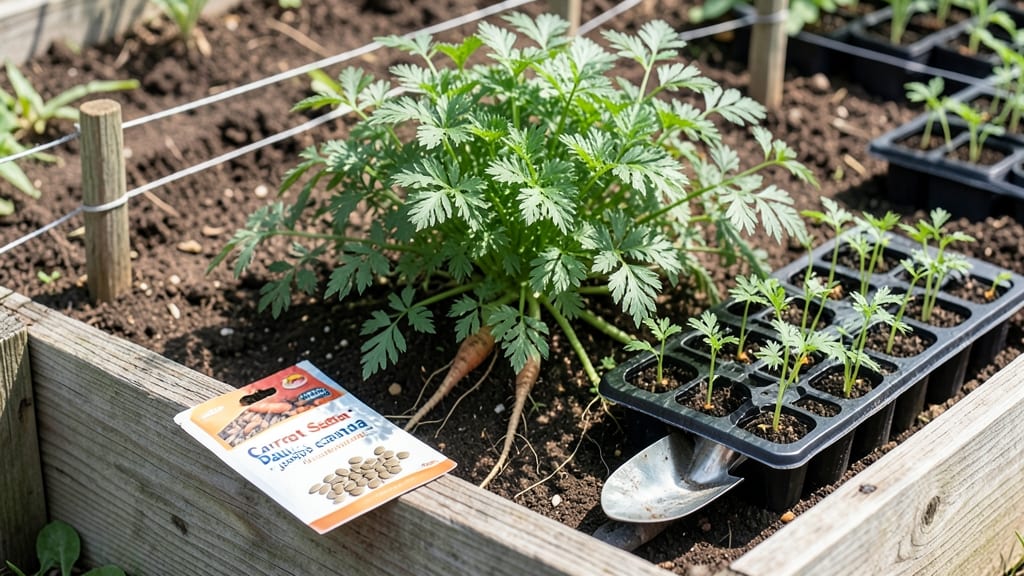
Timing your 🥕 carrot planting in East Tennessee can make the difference between sweet, crisp harvests and bitter disappointment. The key isn't just about throwing seeds in the ground—it's about working with your region's unique climate patterns, from the last spring frost to the first autumn chill.
Most gardeners here know the basics: plant in early spring or late summer. But what you might not realize is that USDA Zone 6b-7a brings its own challenges—soil that warms unevenly, unpredictable rain patterns, and pests that lurk in the shadows.
Get the timing right, and you'll enjoy fresh carrots from May through December.
I've spent years perfecting my own planting schedule, and the secrets aren't as complicated as they seem. Whether you're a first-time gardener or a seasoned grower, these insights will help you avoid common mistakes like bolting or forking roots. Let me show you exactly when to plant for maximum success.
From soil prep to succession planting, we'll cover everything you need to know to grow perfect carrots that taste fresh from the garden. Ready to dig in? Let's get started with the ideal planting windows for your East Tennessee garden.
Optimal carrot planting windows in East Tennessee: spring vs fall comparison
East Tennessee’s USDA Zones 7a/7b create a unique growing environment where timing is everything for crisp, sweet carrots. Unlike flatter regions, our mountain valleys and higher elevations experience dramatic temperature swings—just a 1,000-foot elevation gain can shift your frost dates by 2-3 weeks.
Understanding these microclimates helps you avoid woody roots from heat stress or bolting greens when days lengthen too quickly.
Most gardeners focus on spring planting (March-April), but fall planting (July-August) often yields even sweeter roots by allowing them to mature in cooler soil. The key difference? Soil temperature thresholds: carrots germinate best when soil reaches 55-65°F, but roots develop poorly above 80°F.
In East Tennessee’s humid summers, this means shade cloth or succession planting becomes essential for summer crops.
For spring planting, I recommend starting seeds indoors 4-6 weeks before your last frost date (around February 20 for most of East Tennessee). Harden off seedlings for 7-10 days before transplanting, but direct sowing is often better—carrots hate root disturbance.
In valley areas like Knoxville, you can push planting to early February under row covers, while higher elevations (like the Great Smoky Mountains) should wait until mid-April.
Fall planting requires more precision. Aim to harvest before hard frosts (typically mid-October), but cold-hardy varieties like 'Danvers' or 'Chantenay' can survive light frosts. In mountain regions, you might extend harvests into December by planting late August—the cooler nights help prevent bolting.
Always water deeply before the first frost to sweeten roots naturally.
East Tennessee’s rocky, clay-heavy soils pose another challenge. Amend beds with 2-3 inches of compost and sand to prevent forking. If your soil is too dense, consider growing short varieties like 'Paris Market' (4 inches) or 'Little Finger' (3 inches).
These thrive even in compacted ground common in urban gardens.
One mistake I see often? Planting too deeply in heavy soil. Carrot seeds need light to germinate—cover them with just ¼ inch of soil. If you’re using starter fertilizer, opt for a low-nitrogen blend (like 5-10-10) to encourage root growth over foliage.
Over-fertilizing leads to leafy tops and small roots.
Pro tip: Mark your planting dates on a
How to extend your carrot harvest season in East Tennessee’s climate
East Tennessee’s humid summers and cool winters create unique challenges for carrot growers. The key to year-round harvests lies in smart planning—using succession planting, cold-tolerant varieties, and protective tools to beat the elements.
With the right approach, you can enjoy fresh carrots from late spring through winter, even in Zone 7a/7b.
First, focus on fall and winter planting to extend your harvest. Many gardeners miss this window, but with row covers and cold-hardy varieties, you can grow carrots well into December.
The trick is starting seeds 8-10 weeks before your first frost (typically mid-October in East Tennessee) to ensure mature roots before freezing temperatures arrive.
🌱 Key Strategy: Use succession planting every 2-3 weeks from March through July. This staggered approach ensures a continuous supply of baby carrots and mature roots. For example, plant a 10-foot row every 14 days in spring, then repeat in late summer for fall harvests.
📅 East Tennessee Carrot Planting & Protection Schedule
- Early Spring (March) – Plant Danvers or Nantes varieties with row covers to protect from late frosts.
- Late Summer (July-August) – Sow Chantenay or Paris Market for fall harvests; use floating row covers in September.
- Fall (October) – Plant cold-hardy varieties like Moscow Winter under heavy mulch or low tunnels for winter harvests.
- Pest Control – Use diatomaceous earth for carrot rust flies and row covers to deter rabbits in early spring.
- Soil Prep – Loosen soil to 12 inches deep and mix in compost to prevent forking in rocky Tennessee soil.
Avoid bolting—a common issue in East Tennessee’s heat—by choosing slow-bolting varieties like ‘Bolero’ or ‘Solar’. These varieties tolerate warmer soils better than standard types. Also, shade cloth (30-50%) during peak summer heat can prevent premature flowering and maintain root quality.
For winter harvests, prioritize cold-hardy varieties such as ‘Moscow Winter’ or ‘Purple Haze’, which can withstand light frosts. Protect them with straw mulch (4-6 inches) or low tunnels to insulate roots.
Harvest before hard freezes (below 20°F) to avoid cracked roots—a common problem in Tennessee’s humid winters.
Finally, monitor soil moisture closely. East Tennessee’s high humidity can lead to cracked or split carrots if soil dries unevenly. Use drip irrigation or soaker hoses to deliver consistent water at the base of plants. Mulch with straw to retain moisture and regulate soil temperature.