
Plants
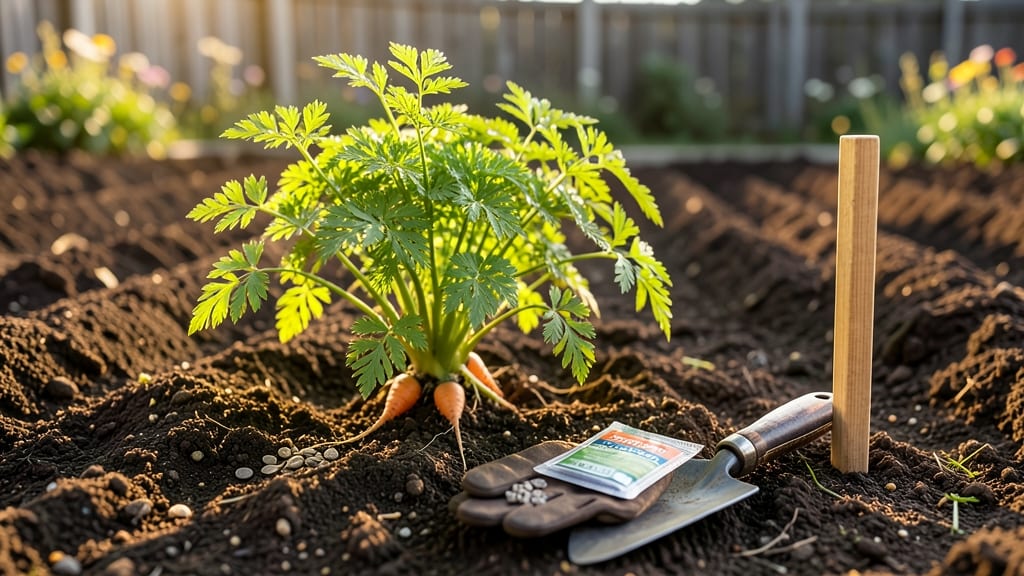
Planting carrots in East Texas at the wrong time means either woody roots or sad, bolted greens before you even taste them. The key to crisp, sweet 🥕 every time? Locking in those September-October windows when soil temps cooperate and summer's brutal heat has finally backed off.
I’ve learned the hard way that East Texas’s Zone 8a climate demands patience—skipping the fall window means wrestling with cracking roots or pests by spring.
But here’s the good news: with the right timing and a few smart tricks, you can grow homegrown carrots that rival the grocery store’s (and maybe even taste better).
Let’s break down exactly when to plant for foolproof harvests, plus how to beat the heat and avoid common mistakes that turn your garden into a carrot graveyard. Spoiler: it’s not just about the calendar—soil prep and variety choices matter just as much.
Ready to dig in? I’ll walk you through the perfect planting schedule, from soil temperature checks to extending your growing season so you’re harvesting through December. No more guessing—just crisp, flavorful roots all season long.
Best planting windows for carrots in East Texas heat zone 8B
In East Texas's Heat Zone 8B, timing your carrot planting is critical to avoid the woody texture from summer heat or bolting from early spring warmth. The ideal windows focus on cooler months when soil temperatures stay between 55°F and 75°F—perfect for germination and root development.
Your best bets are fall (September-October) and early spring (February-March), but microclimates in counties like Tyler or Beaumont may shift these by 1-2 weeks. Always check your last frost date (typically February 1) and first frost (around November 15) for precision.
Soil temperature is your secret weapon—aim for 60°F+ before planting. Use a soil thermometer to confirm readiness, especially in clay-heavy soils common in East Texas, which retain heat longer. Cool nights (65°F or below) after planting prevent premature bolting.
Here’s your seasonal breakdown for East Texas, including soil prep and variety recommendations tailored to local conditions:
| Season | Planting Window | Soil Temp (°F) | Varieties | Notes |
|---|---|---|---|---|
| Fall | Late August–October 15 | 60–75°F | 'Danvers Half Long', 'Nantes' | Best for crisp roots; mulch to retain moisture. |
| Winter | November–January (light frost tolerance) | 50–65°F | 'Paris Market', 'Chantenay' | Slow growth; protect with row covers. |
| Spring | February–March 15 | 60–70°F | 'Rainbow', 'Golden Acre' | Avoid planting after March 15 to prevent bolting. |
| Summer | Not recommended | N/A | None | Heat (>85°F) causes woody roots; use shade cloth if attempting. |
For fall planting, start seeds indoors in late July to transplant by mid-August, giving roots time to mature before first frost. In spring, direct-sow seeds in February for a May-June harvest, but avoid planting after March 15—rising temperatures trigger bolting.
East Texas’s clay soils and humidity demand extra care. Amend beds with compost or sand to improve drainage, and plant shallow-rooted varieties like 'Paris Market' if your soil is dense. Succession plant every 2 weeks in fall for continuous harvests.
If you’re in southern East Texas (e.g., Beaumont), push fall planting to mid-October—warmer microclimates delay frost. Conversely, northern areas (e.g., Tyler) may need to start seeds by late July for a fall crop.
Always monitor weekly highs—consistent temps above 75°F signal it’s time to switch to shade cloth.
Pro tip: Use black plastic mulch in summer to warm soil for early fall plantings, or straw mulch in winter to insulate roots. These tricks help you extend seasons by 3–4 weeks in either direction.
Pair carrots with onions or leeks to deter carrot flies, a common pest in humid East Texas.
Finally, harvest before soil temps rise above 80°F—this is when carrots turn woody and lose sweetness. For fall crops, aim to pull roots by December; for spring, harvest by late May before the heat sets in.
With these windows, you’ll enjoy crisp, sweet carrots straight from your East Texas garden! 🥕
How to extend carrot growing season in Texas heat
East Texas’s Zone 8B heat can turn your carrot patch into a science experiment—unless you plan ahead. I’ve found the secret to success lies in strategic timing and a few heat-beating tricks.
When summer refuses to let go, shade cloth and mulching become your best friends, while succession planting keeps your kitchen stocked with fresh roots.
Carrots hate extreme heat—temperatures above 85°F trigger bolting (flowering) or cause roots to split. But with the right approach, you can push your harvest window from fall into early winter, even when the thermometer climbs.
Let’s dive into the practical techniques that work in my East Texas garden—and will work in yours too.
- 1 Use 30% shade cloth in late summer to lower soil temps by 10-15°F. Install it 4-6 weeks before planting to let seeds germinate in cooler conditions.
- 2 Mulch with straw (3-4 inches) to retain moisture and block heat stress. Replenish every 2-3 weeks during peak summer to prevent cracking.
- 3 Plant in succession every 2 weeks from September to November. This ensures a continuous harvest before winter sets in.
- 4 Pair with companion plants like radishes (they germinate fast) or leeks (repel pests). Avoid dill or fennel—they stunt carrot growth.
One of my biggest carrot-growing wins came from using shade cloth in August. I planted 'Danvers Half Long' carrots under 30% shade, and the soil stayed cool enough for germination. Without it, the seeds would’ve baked before sprouting. Pro tip: Water the cloth daily to prevent heat buildup underneath.
For mulching, I swear by straw over black plastic. The straw insulates roots while keeping moisture locked in—critical when East Texas hits 100°F in September. I’ve seen carrots crack from heat stress when mulch is skipped, so don’t skip this step.
Pair it with drip irrigation to avoid wetting foliage, which invites fungal diseases.
Don’t underestimate the power of succession planting. I plant two rows every 14 days from late August through October. This way, I’m always pulling fresh carrots while older plants mature.
For companion plants, I’ve had the most success with bush beans—they fix nitrogen in the soil and shade young carrot greens from scorching.
Finally, choose heat-tolerant varieties like 'Nantes' or 'Chantenay'. These hold up better than 'Paris Market' when temps flirt with 90°F. With these tricks, I’ve extended my harvest from November into December, even in the hottest years. Your taste buds—and your garden—will thank you.