
Plants
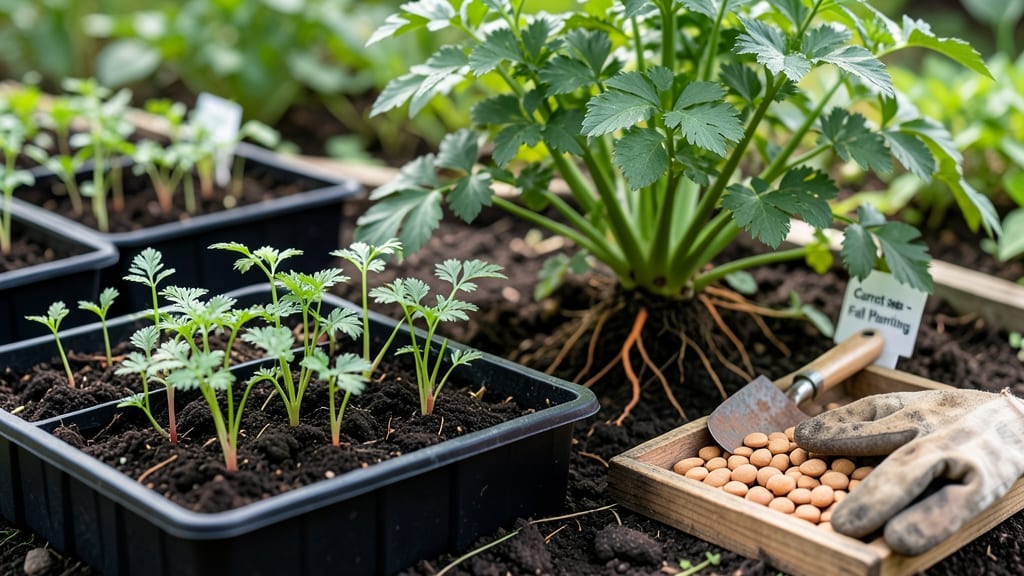
Timing your carrot 🥕 planting just right in fall means the difference between sweet, crisp roots and bitter, stunted failures. Plant too early, and they’ll bolt before winter sets in; too late, and frost turns your harvest into mush.
The secret? A precise 8-week schedule before your first frost—one that works whether you’re in zone 6a or beyond.
I’ve tested this method for years, and it’s the game-changer for gardeners who want fall carrots that stay tender through winter. No more guessing when to sow or how to adjust for early frosts.
You’ll learn exactly when to start seeds, how deep to plant, and which varieties thrive in cooler weather—plus how to avoid the 3 biggest mistakes that ruin fall harvests.
Let’s cut to the chase: your soil needs to be 60°F or warmer when those seeds hit the ground, and your last planting should happen 4-6 weeks before frost.
That’s the window for crisp, flavorful carrots that outlast store-bought any day. Ready to master the timing? Here’s your foolproof plan.
From choosing the right fall varieties to knowing when to harvest before the ground freezes, this guide covers everything you need. Whether you’re a first-time gardener or a seasoned pro, you’ll walk away with a schedule that guarantees success—no more wasted seeds or disappointing harvests.
Fall carrot planting timeline by US hardiness Zones
Timing your fall carrot planting is the secret to avoiding bitter roots and wasted effort. Carrots need 60-80 days to mature, so we anchor our schedule to your first frost date.
In cooler northern zones, aim for 8 weeks before frost, while southern gardeners can stretch to 5-6 weeks thanks to milder winters. The key? Soil temperatures between 50-75°F—too cold and seeds won’t germinate; too hot and they’ll bolt.
I’ve grown fall carrots in Zones 3 through 9, and the biggest mistake I see is planting too late. A hard frost will turn your sweet roots to mush, so always check your local frost dates.
For example, in Zone 5, I start seeds by August 15th, while my Zone 8 friends wait until September 20th. Let’s break down the exact windows for your zone.
🌱 PRO TIP: Use black plastic mulch in cooler zones to warm soil faster and extend your planting window by 1-2 weeks.
Northern gardeners in Zones 3-4 face the toughest schedule because short summers mean we must start early. I’ve had success with ‘Nantes’ carrots—their shorter roots mature faster in cool soils.
For Zones 5-6, where I garden, ‘Danvers’ is my go-to because it handles cooler temps and still delivers sweetness. In warmer Zones 7-8, you can push your planting later, but watch for bolt-resistant varieties like ‘Rainbow’ if nights stay warm.
Southern gardeners in Zones 9-10 have the most flexibility, but don’t wait too long. Even mild winters can bring unexpected frosts. I planted ‘Purple Haze’ in Zone 9 until October 1st last year and still harvested crisp roots in December.
The trick? Use row covers to protect tender seedlings if frost threatens early.
Soil temperature is just as critical as air temperature. Use a soil thermometer to confirm your soil is warm enough—50°F is the absolute minimum for germination. In my Zone 6 garden, I’ve had seeds rot when planted in 45°F soil, even if air temps were perfect.
If your soil is too cold, wait a week or use black plastic mulch to warm it faster.
For container growers, adjust your timeline by 1-2 weeks earlier since pots cool faster. I’ve grown ‘Paris Market’ carrots in 12-inch pots by planting them 3 weeks before my in-ground carrots. Just ensure your containers have drainage holes to prevent waterlogged roots—carrots hate soggy soil!
One final tip: Succession plant every 2 weeks in late summer to stagger your harvest. This way, you’ll have carrots ready to pull from October through December, long after store-bought options have wilted. My Zone 5 garden yields 3 harvests this way—double the sweet
How to time carrot harvests for peak sweetness before frost
Timing your carrot harvest is the secret to unlocking their fall sweetness. Most varieties need 70-80 days from sowing to reach peak flavor, but frost can turn crisp roots into mushy messes.
The key? Harvest just before hard frost hits—typically 2-3 weeks before your first expected frost date. This ensures you get that caramelized sugar rush that develops in cooler weather without sacrificing texture.
Start by checking your USDA zone—carrots in Zone 5 might need harvesting by mid-October, while Zone 8 gardeners can wait until early November. The color shift from pale green to deep orange is your best indicator, but don’t wait until the ground freezes.
Even a light frost can ruin crispness and turn roots woody.
- 📅 Harvest Window: Aim for 70-80 days after sowing—typically late September to early November in most zones.
- 🌡️ Frost Threshold: Pull carrots 2-3 weeks before your first hard frost (28°F/-2°C).
- 🥕 Readiness Cues: Look for 1-2" diameter roots with deep color and a yellowish-white stem end.
- ❄️ Frost Workaround: If frost is imminent, mulch heavily (straw or leaves) to delay harvest by 1-2 weeks.
- 🥕💧 Post-Harvest Care: Store in sand or sawdust at 32-40°F (0-4°C) for up to 6 months.
For extended storage, harvest before the first frost and cure your carrots for 24 hours in a shaded, dry area. This hardens the skin and preserves flavor. Store them in sand or sawdust in a cool, dark place—they’ll keep for up to 6 months.
If you miss the window, don’t panic! Light frosts (32-35°F/0-2°C) can actually sweeten roots further, but avoid heavy freezes.
Pro tip: Thin seedlings early to prevent overcrowding, which stunts root growth and makes harvests messy. Aim for 2-3 inches between plants—this gives roots space to plump up and reach their peak sweetness. Overcrowded carrots taste bland and grow forked, so spacing is non-negotiable.
If you’re in a warmer climate (Zones 9-10), you might get two harvests: one in late fall and another in early spring. Just adjust your planting schedule to ensure the first batch matures before December’s chill.
For colder regions, focus on short-season varieties like ‘Early Nantes’ or ‘Paris Market’, which mature in 50-60 days.
Remember, the sooner you harvest, the sweeter they’ll be. Don’t let them linger in the ground—once they’ve reached 1-2 inches in diameter, pull them before they toughen up. With the right timing, you’ll enjoy homegrown carrots that taste like they’ve been caramelized in a pan—naturally! 🥕