
Plants
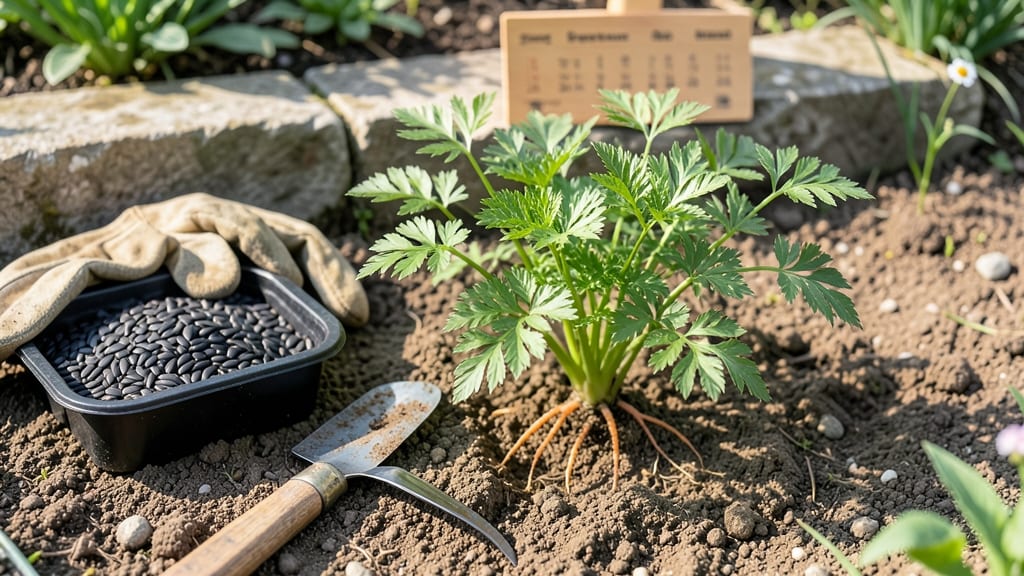
Planting carrots in Idaho might seem straightforward, but getting the timing right is the key to avoiding bitter, woody roots and maximizing your harvest.
With USDA zones 4b-7b and a climate that swings from chilly springs to early frosts, knowing when to plant your 🥕 can make or break your garden.
Most Idaho gardeners swear by two planting windows: mid-April to early July for spring crops and late July to early September for fall harvests. But here's the catch—soil temperature matters just as much as the calendar.
Too cold, and your seeds won't germinate; too hot, and they bolt before you get a chance to enjoy them.
I've learned the hard way that rushing into the garden too early (or waiting too late) leads to disappointment. Whether you're in Boise's valley or the cooler high desert near Sandpoint, understanding your local frost-free window and soil conditions is what separates a successful carrot patch from a failed one.
In this guide, I'll break down exactly when to plant, how to prep your soil, and which varieties thrive in Idaho's unique climate—so you can enjoy sweet, crisp carrots straight from your garden all season long.
Idaho carrot planting timeline: soil temperature & frost-free date guide
Timing your carrot planting in Idaho isn’t just about dates—it’s about understanding your microclimate and soil temperature thresholds. Idaho’s diverse regions, from Boise’s urban heat islands to Coeur d’Alene’s lake-effect cooling, create wildly different growing conditions.
Carrots thrive when soil temperatures hover between 50°F and 85°F, but getting that window wrong can turn your crisp dreams into woody disappointments.
Most Idaho gardeners focus on two planting windows: early spring (for summer harvests) and late summer (for fall/winter storage). However, succession planting every 2-3 weeks between these windows ensures a continuous supply.
The key? Knowing your last frost date (Boise: April 15, Northern ID: May 1) and first frost date (Boise: October 15, Northern ID: September 20).
Here’s the region-specific breakdown you need to plan your carrot calendar:
For Boise gardeners, aim to plant your first carrot seeds as soon as soil reaches 55°F—typically mid-April. Use row covers if nights dip below freezing to protect tender seedlings.
In Coeur d’Alene, wait until late April when lake breezes stabilize soil temps, and opt for cold-hardy varieties like ‘Nantes’ to extend your window.
Late summer plantings in Twin Falls should begin by July 20 to ensure roots mature before the first frost. Here, succession planting every 10 days from July through August guarantees a steady harvest.
In high-altitude areas like Sandpoint, focus on short-season varieties (e.g., ‘Paris Market’) and plant no later than July 15 to avoid frost damage.
Pro tip: Use a soil thermometer to confirm readiness—carrot seeds won’t germinate below 50°F, no matter how eager you are. For fall plantings, aim to harvest before soil temps drop below 45°F, as cold roots develop a bitter flavor.
In Boise’s urban areas, microclimates near buildings can delay frost by 2-3 weeks, giving you extra time for late-season crops.
Don’t forget shade cloth for summer plantings—Idaho’s intense sun can scorch young seedlings. And if you’re in a dryland region, prioritize drip irrigation to maintain consistent moisture, which is critical for preventing forked roots.
With these region-specific timelines and soil temp checks, you’ll be pulling sweet, crisp carrots all season long.
🌱
5 Critical factors that determine carrot success in Idaho gardens
Once you’ve mastered the planting timeline in Idaho, the real challenge begins: growing carrots that don’t fork, crack, or succumb to disease. Idaho’s diverse climate—from high-altitude areas like Sandpoint to valley regions like Boise—creates unique growing conditions.
The wrong soil or moisture balance can turn your sweet dreams into bitter failures. Let’s break down the five critical factors that separate thriving carrot patches from disappointing harvests.
First, Idaho’s soil type makes or breaks carrot success. Most gardeners assume their soil is fine, but clay-heavy soils in the Snake River Plain or sandy loam in the Palouse create entirely different challenges.
Carrots need loose, well-draining soil to grow straight and avoid forking. In clay soils, amending with compost and coarse sand is non-negotiable, while sandy soils benefit from organic matter to retain moisture.
Moisture balance is another Idaho-specific hurdle. Too little water leads to woody roots, while too much causes rot. In high-desert regions, inconsistent rainfall means drip irrigation is your best friend. Valley areas, however, risk waterlogging after spring rains, so raised beds with proper drainage are essential. Aim for 1 inch of water per week, adjusting for rainfall and soil type.
- 1 Soil Type: Idaho’s clay vs. sandy loam demands amendments. Test soil pH (6.0-7.0 ideal) and loosen compacted areas with a broadfork. High-altitude soils often need extra compost.
- 2 Moisture Control: Drip irrigation beats overhead watering. In valley regions, mulch heavily to prevent crusting. High-desert areas need deep watering 2-3x/week to avoid stress.
- 3 Weed Competition: Carrots are slow starters. Use straw mulch or black plastic to suppress weeds. Hand-pull early weeds—hoes can damage shallow roots.
- 4 Disease Prevention: Alternaria blight thrives in humid Idaho summers. Space plants for airflow and avoid wetting foliage. Carrot rust fly? Use row covers in spring.
- 5 Regional Risks: High-altitude areas (e.g., Sandpoint) face shorter seasons—prioritize cold-hardy varieties. Valley regions risk heat stress; plant shade cloth if temps exceed 90°F.
Weed competition is often overlooked but can make or break your harvest. Carrots are slow-growing and shallow-rooted, so weeds steal nutrients and block sunlight. In Idaho’s dry summers, weeds like lamb’s quarters and pigweed thrive alongside carrots.
Use straw mulch or black plastic to suppress weeds early, and hand-pull any that emerge—hoes can damage delicate carrot tops.
Disease prevention is especially critical in Idaho’s humid summers. Alternaria blight, a fungal disease, causes dark spots on leaves and can rot roots. To prevent it, space plants properly for airflow and avoid overhead watering. Carrot rust fly, another Idaho menace, lays eggs near carrot foliage.
Protect young plants with fine mesh row covers until they’re established, or interplant with leeks or onions to deter flies.
Finally, regional risks vary dramatically across Idaho. In high-altitude areas like Sandpoint (USDA Zone 5), the growing season is shorter, so choose cold-hardy varieties like ‘Danvers Half Long’ and start seeds indoors.
Valley regions, however, face heat stress—if daytime temps exceed 90°F, provide shade cloth to prevent bolting. By addressing these five factors, you’ll turn Idaho’s challenges into sweet, crisp victories.