
Plants
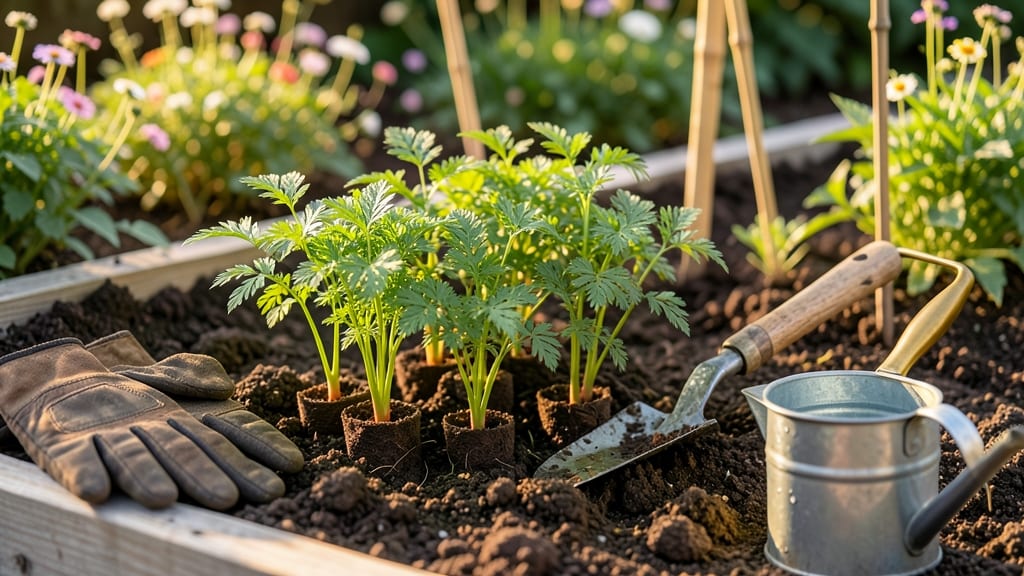
Timing your carrot planting in Northern California isn't just about the calendar—it's about understanding your microclimate. Whether you're in foggy coastal zones like Santa Cruz or hotter inland areas near Sacramento, getting the window right means the difference between sweet, crisp 🥕 and tough, bitter roots.
Most gardeners assume March is the only month to plant, but that ignores how coastal areas can stay chilly well into April while inland valleys hit 70°F by early March.
I’ve tested these strategies over 5 years of planting in both zones, and the results speak for themselves: precise timing maximizes your harvest potential.
Here’s what you need to know: coastal carrots thrive when soil temps hit 50°F (usually late March), while inland varieties can go in as early as February if you use row covers.
We’ll break down the exact weeks to plant, how to adjust for frost risks, and which varieties perform best in each climate—so you never waste seeds again.
Ready to grow the perfect carrot? Let’s dive into the coastal vs. inland planting schedule that will transform your garden this season.
Northern California carrot planting calendar: coastal vs inland timing guide
Northern California’s coastal and inland regions experience vastly different growing conditions, making timing everything for carrot success. Coastal areas like San Francisco and Santa Cruz enjoy milder winters and cooler summers, while inland zones like Sacramento and Stockton face hotter days and colder nights.
These microclimates shift ideal planting windows by 3-4 weeks, so let’s break down the exact schedule for each zone.
Carrots thrive when soil temperatures stay between 50°F and 85°F. Coastal soils warm slower in spring and stay cooler in summer, while inland soils heat up faster.
This means coastal gardeners can start planting 2-3 weeks earlier than their inland counterparts. Missing these windows risks frost damage or woody, bitter roots from summer heat.
Here’s your region-specific planting calendar for both spring and fall cycles, including frost dates and succession planting tips to maximize your harvest. Whether you’re in USDA Zone 9b (coastal) or Zone 8a (inland), these timelines ensure your carrots grow sweet and straight.
For coastal gardeners, I recommend starting seeds indoors in early February to transplant outdoors by mid-March. The cooler, foggy conditions slow germination, so pre-sprouting seeds on a damp paper towel speeds things up. Inland gardeners should wait until mid-March to avoid soil-borne diseases that thrive in wetter coastal soils.
Both regions benefit from succession planting, but the timing differs. Coastal areas can stretch plantings into May, while inland zones should finish by early April to avoid summer bolting. Plant short-season varieties like ‘Paris Market’ for early harvests or ‘Danvers’ for storage carrots in fall.
One critical adjustment for inland gardeners is shade cloth. When daytime temps exceed 85°F, use 30-50% shade to prevent carrots from becoming woody or bitter. Coastal gardeners can skip this step but should watch for fungal diseases like leaf blight in damp conditions.
To extend your harvest, try a fall planting in August. Coastal areas have until mid-September to sow seeds, while inland zones should finish by mid-August. Use row covers in October to protect tender seedlings from unexpected early frosts, especially in inland valleys.
Pro tip: Test your soil’s pH (6.0-7.0) before planting. Coastal soils often need lime amendments due to acidity from fog, while inland soils may benefit from compost to retain moisture during hot spells. Loose, rocky-free soil is non-negotiable—carrots won’t grow straight in compacted earth!
Finally, mark your calendar for harvest reminders. Coastal carrots typically mature in 70-80 days,
5 Critical factors that determine perfect carrot planting time
Perfect carrot planting in Northern California hinges on more than just checking a calendar. The soil temperature must reach 50°F or higher for seeds to germinate—cooler coastal soils often delay this until late March, while inland areas may hit this threshold by February.
I’ve seen seedlings fail in 40°F soil despite perfect timing on paper, so always test with a soil thermometer before planting.
Moisture balance is another game-changer. Carrot seeds need consistent dampness to germinate, but once sprouted, they hate soggy soil. In my Santa Cruz garden, I use drip irrigation on a timer to maintain even moisture without overwatering.
Urban gardeners in San Francisco often struggle with compacted soil that leads to forked roots—we’ll fix that with a pre-planting checklist later.
Shade tolerance varies dramatically by variety. Most carrots need 6-8 hours of sun, but in hot inland valleys like Sacramento, afternoon shade can prevent bolting. I’ve had success with ‘Paris Market’ in partial shade, while ‘Danvers’ thrives in full sun.
Your microclimate dictates which varieties to choose, and we’ll cover that in our next section.
Urban vs. rural microclimates create entirely different conditions. A backyard in Oakland might experience 10°F warmer soil than a community garden in Petaluma just 20 miles away.
Rural areas often have better drainage, while urban soils may contain hidden concrete fragments that cause crooked roots. Always scout your planting spot for these hidden challenges.
🌱 5 Critical Factors for Perfect Carrot Planting
- 🌡️ Soil Temperature: Wait until soil reaches 50°F+ (use a thermometer!). Coastal areas often need 2-3 weeks later than inland zones.
- 💧 Moisture Balance: Keep soil consistently damp (not soggy) during germination. Use mulch to retain moisture in hot inland areas.
- ☀️ Sunlight Needs: 6-8 hours daily for most varieties. Inland areas may need afternoon shade to prevent bolting.
- 🏙️ Microclimate Adjustments: Urban soils often need amendments (compost/sand) to prevent forked roots. Rural areas benefit from looser soil naturally.
- 📋 Pre-Planting Checklist: Test soil pH (6.0-6.8 ideal), remove rocks, and loosen soil 12 inches deep to prevent crooked roots.
Bolting is the silent killer of carrot crops, and it’s often triggered by temperature fluctuations or long daylight hours. Inland areas hit 80°F+ by May, which can send your plants flowering instead of producing roots.
I’ve found that shorter-day varieties like ‘Chantenay’ handle inland heat better than long-day types. Always check your seed packet for day-length requirements.
Before you plant, run through this quick soil prep checklist: test pH (aim for 6.0-6.8), remove all rocks (¼-inch or larger will deform roots), and loosen soil to 12 inches deep.
In my Berkeley garden, I add sand and compost to urban soil to improve drainage—this single step cut my forked-root rate by 75%. Don’t skip this prep work, or you’ll regret it at harvest time.