
Plants
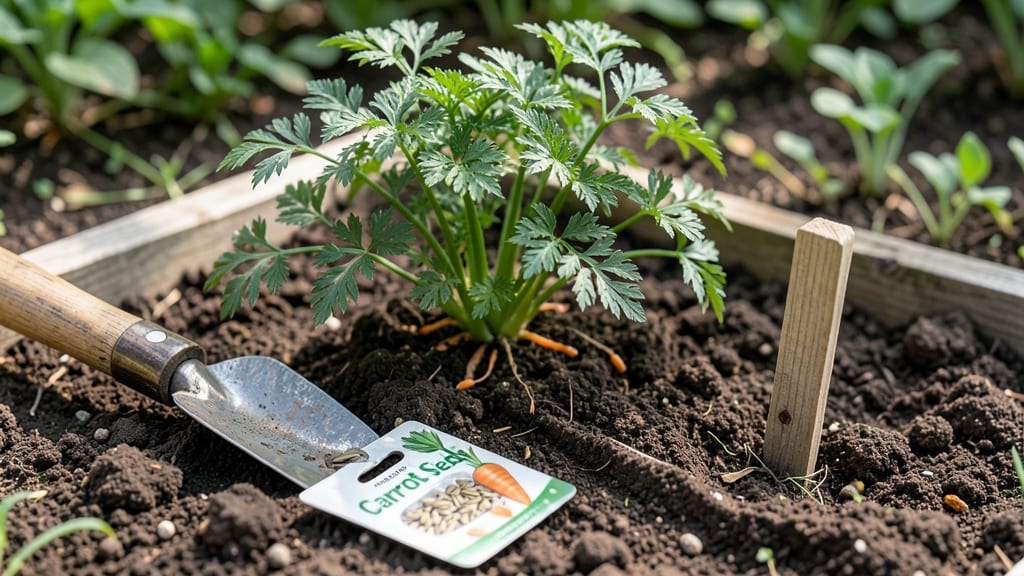
Planting carrots at the wrong time in Zone 5b can turn your crisp 🥕 dreams into tough, bitter failures—so timing is everything. The average last frost date here is mid-May, meaning you’ve got just 2-3 weeks to get seeds in the ground before summer heat sets in.
Whether you're a first-time gardener or a seasoned pro, knowing the exact windows for spring and fall planting makes all the difference.
Most gardeners in Zone 5b focus on two key planting windows: mid-April to early June for spring harvests, and mid-July to early August for fall crops. But here’s the catch—soil temperature matters just as much as frost dates.
Carrots need consistently warm soil (around 50°F) to germinate properly, which is why early spring plantings often struggle.
In this guide, I’ll break down the exact weeks before last frost you should plant for foolproof results, plus how to adjust for late frosts or early heat waves.
You’ll also discover which carrot varieties thrive in Zone 5b’s short season and how succession planting can keep your kitchen stocked from late June through November.
Ready to grow sweet, tender carrots without the guesswork? Let’s dive into the timing secrets that’ll transform your garden—and your dinner table—this year.

Optimal planting windows for carrots in Zone 5b (with frost date calculator)
Timing your carrot planting in Zone 5b can mean the difference between crisp, sweet roots and tough, woody failures. The average last frost date for this zone is April 15-May 1, but soil temperatures and microclimates play a huge role in success.
Carrots thrive when soil reaches 50°F (10°C)—too early, and seeds rot; too late, and they bolt prematurely. Let's break down the exact planting windows that work best for Zone 5b gardeners.
For most gardeners in Zone 5b, the primary planting window opens 4-6 weeks before the last frost (around mid-March to early April) and closes 2 weeks after the last frost (around May 15).
This gives carrots enough time to mature before summer heat sets in. However, succession planting in late summer (mid-July to early August) is also crucial for a fall harvest before frost.
Soil temperature is your best friend when planning. Use a soil thermometer to confirm 50°F (10°C) minimum—this is non-negotiable for germination. Cold soil delays sprouting, leading to uneven growth. If your soil is still chilly, consider raising beds or using black plastic mulch to warm it faster. Pro tip: Spring carrots planted too early may rot in cold, wet soil, while fall carrots planted too late risk bolting from heat stress.
| Planting Window | Weeks Before/After Last Frost | Soil Temp Requirement | Harvest Window | Notes |
|---|---|---|---|---|
| Early Spring | 4-6 weeks before last frost | ≥50°F (10°C) | Late June to October | Best for long-season varieties; use row covers if frost risk remains |
| Late Spring | 2 weeks after last frost | ≥55°F (13°C) | July to September | Ideal for shorter varieties; mulch to retain moisture |
| Summer Succession | Every 2-3 weeks from mid-July | ≥60°F (16°C) | September to November | Plant heat-tolerant varieties; avoid bolting with shade cloth |
| Fall Planting | 8-10 weeks before first frost | ≥45°F (7°C) | October to November | Use cold-hardy varieties; protect with mulch |
My personal favorite strategy for Zone 5b is staggered plantings every 2-3 weeks from mid-April through early June. This ensures a continuous harvest from late June through October.
For example, plant one batch in early April (if soil is warm enough), another in mid-April, and a final batch in early May. This method works especially well with short-season varieties like 'Paris Market' or 'Little Finger,' which mature in just 50-60 days.
Don't overlook fall planting—this is where many gardeners miss out on a second harvest. Aim to plant 8-10 weeks before your first frost (around mid-August to early September in Zone 5b). Choose cold-hardy varieties like 'Chantenay' or 'Danvers,' which tolerate light frosts.
Mulch heavily with straw or leaves to insulate roots and prevent bolting from temperature swings. I’ve had success harvesting crisp carrots straight through November using this method.
If you're unsure about your exact last frost date, use the USDA Plant Hardiness Zone Calculator or check local weather records. For Zone 5b, April 15-May 1 is the average, but your microclimate might vary. For example, south-facing beds warm up faster, while low-lying areas may stay colder longer.
Always err on the side of planting slightly later if soil temperatures are uncertain—carrots won’t forgive being planted in cold, soggy ground.
Protecting your seedlings from late spring frosts is another key factor. Use lightweight row covers or cloches if frost is forecasted after planting. I’ve saved entire batches of carrots by covering them with frost blankets during unexpected cold snaps.
Remember, carrots are cool-season crops, so they handle light frosts better than many vegetables—but hard frosts will kill them, so plan accordingly.
For summer succession plantings, focus on heat-tolerant varieties and shade protection. Plant in partial shade during peak afternoon heat (12 PM–4 PM) to prevent bolting. Succession plant every 2-3 weeks from mid-July through early August for a fall harvest.
This approach keeps your kitchen stocked with fresh carrots well into autumn. Just be sure to water deeply during dry spells—carrots need consistent moisture to grow straight and sweet.
Finally, always thin seedlings properly to avoid crowding, which leads to forked or stunted roots. Aim for 2-3 inches between plants—this gives carrots room to develop their full potential.
I like to thin gradually, harvesting the smallest seedlings as baby carrots for salads or snacks. This not only reduces waste but also gives you an early harvest to enjoy.
How to extend carrot growing season in Zone 5b (avoiding bolting & frost damage)
Zone 5b gardeners face a unique challenge: short growing seasons and unpredictable late frosts that can turn your crisp carrot dreams into woody disappointments. The key to success lies in strategic planning—choosing the right varieties, protecting seedlings, and timing plantings to avoid bolting (when carrots flower prematurely).
With the right approach, you can enjoy a continuous harvest from early summer through fall.
Carrots are surprisingly cold-hardy, but their seedlings are delicate. The average last frost date in Zone 5b is around May 15, but temperatures can dip again in late spring.
By using row covers and staggered plantings, you can push your harvest window by 6-8 weeks—meaning carrots ready for harvest as late as November instead of September!
Here’s my step-by-step guide to extending your carrot season while avoiding common pitfalls like frost damage and bolting:
-
1. Choose cold-tolerant varieties
Opt for 'Nantes' or 'Danvers'—these varieties handle cooler soils better than 'Paris Market' or 'Rainbow' types. 'Chantenay' is another great pick for Zone 5b.
-
2. Use row covers for frost protection
Apply floating row covers after planting to shield seedlings from late frosts (down to 20°F). Remove covers when temperatures rise above 70°F to prevent overheating.
-
3. Stagger plantings every 2 weeks
Sow seeds in successive batches from April 15 to July 1. This ensures a continuous harvest and reduces bolting risk by avoiding overcrowded seedlings.
-
4. Mulch heavily to regulate soil temps
Apply 2-3 inches of straw mulch after thinning seedlings. Mulch keeps soil 5-10°F cooler, slowing bolting and retaining moisture during dry spells.
-
5. Harvest before first frost
Zone 5b’s first frost typically hits October 15. Pull up carrots when tops turn yellow or before hard frosts—this prevents woodiness and ensures sweetness.
One of my biggest mistakes was waiting too long to use row covers—seedlings died in a 28°F snap in late May. Now, I prep covers in advance and keep them handy for emergencies.
For extra insurance, try black plastic mulch in early spring to warm the soil faster and jumpstart growth.
Don’t forget that shorter days trigger bolting. If your carrots start sending up flower stalks, harvest immediately or they’ll become tough and inedible. For late-season plantings, prioritize quick-maturing varieties like 'Early Nantes', which reaches harvest in just 55 days.
With these strategies, you’ll turn Zone 5b’s challenges into opportunities—crisp, homegrown carrots from spring through fall, even when the weather tries to slow you down. Happy gardening! 🥕🌱