
Plants
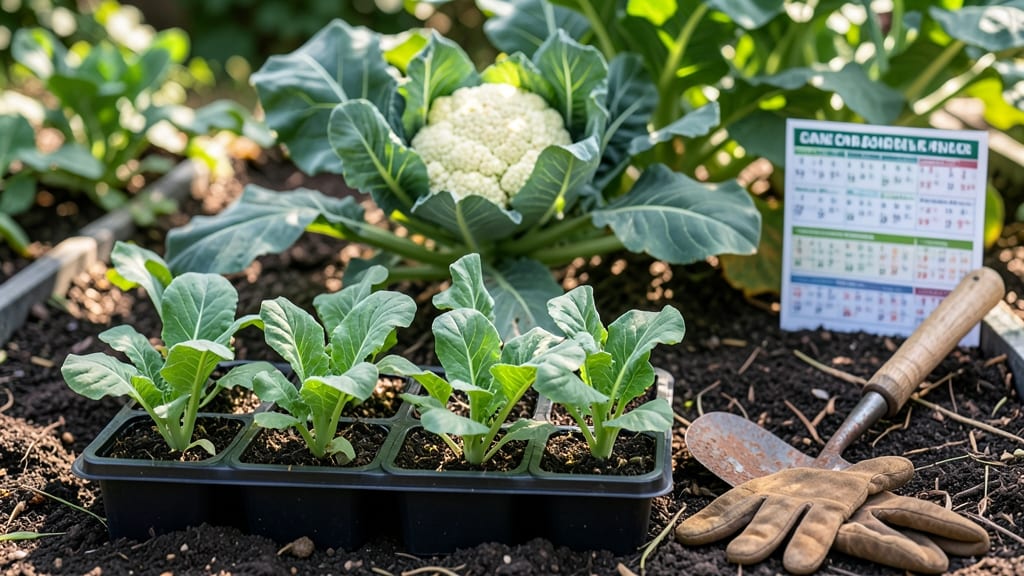
Planting cauliflower in Georgia at the wrong time can leave you with bitter-tasting heads or slow germination—so getting the soil temperature triggers right is the key to fast, healthy growth. This cool-weather crop thrives when temperatures hover between 45-85°F, but timing matters more than you might think.
Whether you're aiming for a spring harvest in May-June or a fall bounty in October-November, understanding Georgia's microclimates (Zones 7b-8b) makes all the difference. I’ll break down exactly when to plant for fast germination and how to adjust for coastal versus inland areas.
Most gardeners miss the ideal window because they focus only on frost dates—but soil temperature is what really controls growth speed. Learn the 5 critical triggers that accelerate germination and prevent bolting, so your 🥬 heads form perfectly in just 70-100 days.
Ready to grow cauliflower that’s crisp, sweet, and ready to harvest? Let’s dive into the exact planting schedule tailored for Georgia’s climate, so you can enjoy a bountiful harvest without the guesswork.
Georgia’s ideal cauliflower planting calendar by soil temperature zones
Cauliflower thrives in Georgia’s Zone 7a-8b when planted during cool-season windows. Unlike heat-loving crops, cauliflower prefers soil temperatures between 45-85°F, with ideal germination at 50-60°F.
Missing these triggers leads to slow starts or bitter heads—so timing is everything. Let’s break down the perfect planting schedule for your specific microclimate.
Georgia’s diverse climate—from coastal Zone 8b to inland Zone 7a—means frost dates and soil warming vary. Coastal areas (like Savannah) can plant 2-3 weeks earlier than inland regions (like Athens). Use your last frost date (mid-March) and first frost date (mid-November) as your anchors, then adjust for soil temperature.
Spring planting is your best bet for summer harvests, while fall planting extends your season into cool October-November. Both windows require precise soil prep: loamy, well-draining soil with a pH of 6.0-7.0. Amend heavy clay soils with compost to improve drainage—cauliflower hates soggy roots.
For spring planting, start seeds indoors 4-6 weeks before your last frost date. Harden off seedlings for 7-10 days before transplanting into the garden when soil temps hit 50°F. Use black plastic mulch to warm soil faster in cooler zones like Zone 7a.
Fall planting requires more precision. Aim to harvest before hard frosts, so plant 100-130 days before your first frost. In Zone 8b, you can push this to 120-140 days thanks to milder winters.
Always use shade cloth (30-50%) during summer to prevent bolting—cauliflower bolts when stressed by temperatures above 80°F.
Extend your season with row covers in early spring or late fall. These raise soil temps by 5-10°F and protect young plants from light frosts (28-32°F). Just remove covers during head formation to avoid overheating.
Pro tip: Test your soil temperature with a soil thermometer before planting. If temps are below 50°F, wait—cauliflower seeds won’t germinate well. For faster results, use heat mats or plant in warmed raised beds.
Choose heat-tolerant varieties like ‘Cheddar’ or ‘Purple of Sicily’ for Georgia’s heat. These handle short summer heat spikes better than traditional white varieties. Pair them with regular watering (1-2 inches/week) to keep soil cool and moist.
Remember: Consistency is key. Cauliflower needs steady moisture to form tight heads. Let soil dry slightly between waterings, but never let it bake hard—this causes bit
5 Critical soil temperature triggers for fast cauliflower germination in Georgia
Cauliflower thrives in Georgia’s mild winters but demands precise soil temperature control for germination and head formation. Too cold, and seeds won’t sprout; too hot, and plants bolt prematurely. The key lies in understanding these 5 critical temperature triggers that separate success from failure in your garden.
In my experience, spring plantings (February-March) often struggle with inconsistent soil temps, while fall plantings (August-September) benefit from cooler evenings. Georgia’s USDA Zone 7b-8b climate means soil temps can swing wildly—so monitoring is non-negotiable for consistent harvests.
- 50-60°F: Germination begins at 50°F but accelerates dramatically at 55-60°F. Seeds planted in cooler soils (below 50°F) risk rot or failure. Use black plastic mulch to warm soil faster in spring.
- 60-65°F: Seedling vigor peaks here. Plants grow 2x faster than at cooler temps. This is your sweet spot for transplanting hardened-off seedlings.
- 65-75°F: Bolting prevention zone. Above 75°F, cauliflower bolts (premature flowering). In Georgia’s summer heat, use shade cloth (30-50%) to keep temps in check.
- 70-80°F: Head formation thrives here. Curds develop best when daytime temps stay below 80°F. Fall plantings naturally hit this range in October-November.
- Below 45°F: Growth halts. If soil drops below this, protect plants with row covers or delay planting until temps stabilize.
To monitor soil temps accurately, invest in a soil thermometer ($10-$15). Stick it 2-3 inches deep—where roots will be—and check daily. For a DIY solution, bury a thermometer in a coffee can filled with soil.
Georgia’s clay-heavy soils retain heat longer, so adjust planting times 1-2 weeks later than northern climates.
Pro tip: Pre-warm seedbeds in late winter by covering with clear plastic for 1-2 weeks before planting. This raises soil temps by 5-10°F, giving seeds a head start. I’ve seen germination rates jump from 50% to 90% with this simple trick in my Atlanta garden.
Remember, consistency is key. Cauliflower hates temperature swings—aim for no more than 10°F variation between day and night. Use mulch (straw or grass clippings) to stabilize temps and retain moisture. With these triggers mastered, you’ll go from frustrated gardener to cauliflower champion in no time.